Imagine stepping into your garden on a scorching July afternoon to find your tomato plants perfectly hydrated, soil moisture levels optimized, and not a single drop of water wasted on the pathways between your raised beds. This isn’t the result of hours of hand-watering or guesswork—it’s the promise of smart drip irrigation technology. For raised bed gardeners battling inconsistent moisture, water restrictions, or simply the demands of a busy life, these intelligent systems represent a fundamental shift from reactive watering to predictive plant care.
Unlike traditional irrigation that operates on rigid timers, smart drip kits combine precision delivery with environmental awareness, creating a responsive ecosystem that adapts to weather, soil conditions, and plant needs in real-time. Whether you’re managing a handful of herb beds or a sprawling vegetable garden, understanding how these systems work—and what features truly matter—will transform not just your watering routine, but your entire approach to raised bed cultivation.
Top 10 Smart Drip Irrigation Kits for Raised Beds
Detailed Product Reviews
1. Gobelief Smart Drip Irrigation System, Adjustable Timed Watering for Raised Beds & Potted Plants, Includes Leak-Resistant Tubing Kit (5/16” & 1/4”)

Overview: The Gobelief Smart Drip Irrigation System offers an affordable entry into automated garden watering for raised beds and container gardens. This timer-controlled kit provides three independent watering schedules, making it ideal for gardeners seeking hands-free operation during busy weeks or vacations.
What Makes It Stand Out: The triple custom scheduling system sets this apart from basic single-schedule timers, allowing different zones or plant types to receive varied watering patterns. Its anti-clog engineering features a precision metal filter, corrosion-resistant brass inlet, and silicone gasket—significantly reducing maintenance headaches. The family-friendly design includes an oversized LCD screen, one-touch child lock, and weather-sealed battery compartment that withstands heavy rain.
Value for Money: At $28.49, this system dramatically undercuts most smart irrigation solutions while delivering core automation benefits. It’s comparable in price to basic mechanical timers but offers far superior programmability. The 50-foot tubing kit and 10 adapters provide adequate coverage for small to medium patio gardens, though you’ll need to purchase 2 AA batteries separately.
Strengths and Weaknesses: Strengths include exceptional affordability, intuitive programming, robust anti-clog measures, and true tool-free installation that completes in about 15 minutes. The dual-pressure emitters accommodate both delicate seedlings and established plants. Weaknesses include plastic components that may degrade under intense UV exposure, limited expandability beyond the included tubing, and battery dependency that requires periodic replacement.
Bottom Line: This is an excellent starter system for budget-conscious gardeners wanting reliable automated watering without smartphone complexity. Perfect for small raised beds and potted plant collections, it delivers impressive functionality at an unbeatable price point.
2. VIVOSUN Automatic Drip Irrigation Kit, Smart Watering System with 16 Drip Emitters, 4mm Fast Flow, App-Controlled A10 GrowHub, Quiet 15W Pump, Anti-Siphon & Filtered for Indoor & Outdoor Plants

Overview: The VIVOSUN Automatic Drip Irrigation Kit represents the modern smart gardening revolution, combining app-controlled convenience with powerful pump-driven distribution. Designed for both indoor grow operations and outdoor container gardens, this system can water up to 16 plants simultaneously while operating at a whisper-quiet 30-40 dB.
What Makes It Stand Out: The A10 GrowHub app integration enables remote scheduling, cycle mode for automated intervals, and recipe mode for precision daily timing—features typically found in systems twice the price. The upgraded 4mm emitters deliver 30% more flow than standard drippers, while the 15W pump moves up to 1000 L/H. Anti-siphon technology prevents backflow disasters, and built-in filter cotton keeps emitters clog-free across soil, coco coir, perlite, or rockwool setups.
Value for Money: At $49.99, this kit bridges the gap between basic timer systems and premium professional setups. The app control alone justifies the price premium over mechanical timers, while the powerful, quiet pump and 16-emitter capacity offer genuine scalability. It’s an investment that pays dividends for serious indoor growers or frequent travelers who need reliable, adjustable remote watering.
Strengths and Weaknesses: Major strengths include smartphone automation, impressive flow rates, near-silent operation, versatile growing media compatibility, and robust anti-clog measures. The anti-siphon connector provides peace of mind against flooding. Weaknesses include requiring a power outlet (limiting remote outdoor placement), potential Wi-Fi connectivity issues in garden settings, and a steeper learning curve for non-tech users. The system is less portable than battery-powered alternatives.
Bottom Line: Ideal for tech-savvy gardeners and indoor growing enthusiasts who prioritize remote control and precise automation. The quiet operation and powerful performance make it perfect for apartments, greenhouses, or dedicated grow spaces where app-based management adds real convenience.
3. Vego Garden Irrigation Kit - Drip Irrigation System for Raised Garden Beds, Efficient Watering Solution for Vegetables, Flowers, and Plants, Easy DIY Installation (Large)
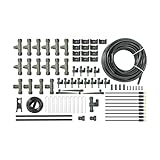
Overview: The Vego Garden Irrigation Kit positions itself as a premium, purpose-built solution specifically engineered for raised garden beds. This large-scale kit targets serious vegetable and flower gardeners who want a professional-grade watering system without the complexity of smart technology, focusing instead on durability and eco-conscious design.
What Makes It Stand Out: Unlike universal kits requiring modification, this system is designed from the ground up for raised bed geometry, ensuring optimal emitter placement and water distribution. The eco-friendly emphasis appeals to sustainable gardeners, while the high-quality materials promise year-round reliability. The 40-foot tubing length accommodates substantial raised bed configurations, and the flexibility allows customization for various layouts.
Value for Money: At $99.95, this is the premium option in our comparison, but the specialized design justifies the cost for dedicated raised bed gardeners. Generic systems often need additional adapters and planning to work effectively with raised beds, potentially negating initial savings. The durability and water efficiency provide long-term value, reducing waste and replacement costs while supporting healthy plant growth through consistent root-zone hydration.
Strengths and Weaknesses: Strengths include tailored raised bed design, straightforward DIY installation suitable for beginners, robust and flexible tubing, and genuine water conservation that aligns with sustainable practices. The system eliminates guesswork for raised bed applications. Weaknesses include the steep price point compared to universal kits, lack of automation or timer integration (requires separate purchase), and no mention of anti-clog features or emitter adjustability. The “Large” designation may be excessive for modest 4x8 foot beds.
Bottom Line: Perfect for committed raised bed gardeners prioritizing durability and eco-friendliness over smart features. While pricey, its specialized design and quality construction make it a worthwhile long-term investment for productive vegetable gardens.
4. CARPATHEN Adjustable Premium Complete Drip Irrigation System Kit for Garden, Raised Beds with Drip Emitters, 5/16" and 1/4" Irrigation Tubing and Barbed Fittings

Overview: The CARPATHEN Adjustable Premium Complete Drip Irrigation System Kit is a component powerhouse designed for gardeners who want maximum customization. This comprehensive package includes an impressive array of 30 emitters, 100 feet of tubing, and abundant fittings, making it ideal for configuring up to three raised beds or complex container arrangements.
What Makes It Stand Out: The sheer variety of components distinguishes this kit—10 vortex emitters plus 20 spray emitters provide multiple delivery methods for different plant types. The 6.49-inch stakes with sharp bottoms ensure secure placement even in loose soil, while detachable heads simplify cleaning. UV-resistant tubing withstands year-round exposure, and the inclusion of both physical and digital growing guides adds exceptional educational value for beginners.
Value for Money: At $41.62, this kit delivers remarkable component-per-dollar value. Purchasing 30 emitters, 100 feet of dual-size tubing, and dozens of fittings separately would easily exceed $60. The system is designed for 20-45 PSI water pressure with a maximum 60 gallons/hour per emitter, making it compatible with standard residential plumbing without requiring a pump.
Strengths and Weaknesses: Strengths include unprecedented component variety, durable UV-resistant materials, easy-to-clean emitters, and detailed instruction guides. The adjustable spray patterns offer precise control for diverse plant needs. Weaknesses include the absence of a timer (requiring separate purchase), overwhelming complexity for absolute beginners, and no mention of anti-siphon protection. The extensive parts inventory demands careful organization during installation.
Bottom Line: An outstanding choice for hands-on gardeners who value customization and component quality over plug-and-play simplicity. The CARPATHEN kit provides professional-grade flexibility at a consumer-friendly price, perfect for those willing to invest time in setup.
5. Bonviee Drip Irrigation System, 230FT Garden Watering System with Quick-to-Connect Fittings, Adjustable Drip Emitters, 1/4” & 5/16” Tubing, Drip Irrigation Kit for Raised Garden Beds, Greenhouse, Lawn

Overview: The Bonviee Drip Irrigation System revolutionizes installation convenience with its innovative push-to-connect design, eliminating the traditional struggles with barbed fittings and heat guns. This expansive kit includes an industry-leading 230 feet of tubing, making it perfect for medium to large gardens, greenhouses, or multiple raised bed configurations.
What Makes It Stand Out: The tool-free push-to-connect system allows secure, leak-proof connections in seconds—simply press, insert, and pull back. This feature alone saves hours of installation time and reduces physical strain. The massive 230-foot tubing length provides unmatched coverage at this price point, while adjustable emitters promise up to 70% water reduction compared to manual watering. Full compatibility with standard timers and Rain Bird accessories ensures future expandability.
Value for Money: At $45.99, Bonviee delivers extraordinary value through sheer scale and convenience. Competing kits offering 200+ feet of tubing typically cost $60+. The time saved during installation justifies the price premium over basic kits, while the water efficiency claims translate to tangible utility bill reductions for active gardeners.
Strengths and Weaknesses: Strengths include the revolutionary quick-connect system, extensive 230-foot coverage, impressive water conservation, broad compatibility with timers and third-party components, and straightforward DIY setup. The adjustable emitters accommodate diverse plant needs. Weaknesses include potentially excessive tubing for compact gardens, no included timer, limited brand recognition raising long-term support questions, and push-fit connections that may be less durable than traditional barbed fittings under extreme temperature fluctuations.
Bottom Line: An exceptional choice for gardeners prioritizing fast installation and maximum coverage. The Bonviee system is ideal for larger properties where its push-to-connect innovation and extensive tubing eliminate the common pain points of drip irrigation deployment.
6. Rain Bird GARDENKIT Drip Irrigation Raised Bed Garden Watering Kit

Overview:
The Rain Bird GARDENKIT is a professional-grade drip irrigation solution designed specifically for 4’ x 8’ raised bed gardens. This comprehensive kit includes everything needed for precise root-level watering, delivering up to 80% water savings compared to traditional methods. Built with durability in mind, it features pressure-compensating emitters that ensure even distribution throughout your garden bed, promoting healthier plants and higher yields.
What Makes It Stand Out:
Rain Bird’s reputation for quality shines through with commercial-grade components built to withstand seasons of use. The pressure-compensating technology prevents dry spots and overwatering, a critical advantage for raised bed gardening where soil depth is limited. The detailed user manual with illustrated instructions and multiple layout options makes system design straightforward, even for irrigation novices.
Value for Money:
At $51.29, this kit positions itself as a premium option. While significantly pricier than budget alternatives, the professional-grade construction and trusted brand name justify the investment for serious gardeners. The long-term durability and water savings offset the initial cost, making it economical over multiple growing seasons.
Strengths and Weaknesses:
Strengths include exceptional build quality, reliable pressure compensation, comprehensive instructions, and significant water conservation. Weaknesses are limited coverage area (max 32 sq ft) and higher price point. The kit cannot be easily expanded beyond its intended size.
Bottom Line:
Perfect for dedicated raised bed gardeners seeking a reliable, long-lasting solution. The Rain Bird GARDENKIT delivers professional results that justify its premium price tag.
7. Maotong 110ft Drip Irrigation System Kit, Garden Watering System DIY Automatic Irrigation Equipment Set for Lawn Raised Bed Greenhouse Plant Watering with 1/4’’ Tubing, Drip Emitters, Connectors

Overview:
The Maotong 110ft Drip Irrigation System Kit offers an affordable entry into automated garden watering at just $19.99. This DIY-friendly system covers up to 120 square feet with customizable 1/4" tubing that handles four separate irrigation lines simultaneously. Designed for versatility, it accommodates everything from delicate herbs to thirsty tomatoes through adjustable emitters offering both stream and vortex spray patterns.
What Makes It Stand Out:
The heavy-duty tubing withstands high pressure without bursting, while rust-proof metal clamps prevent leaks and disconnections—a rare feature at this price point. The system promises up to 80% water savings by targeting roots directly, and the tool-free installation makes it accessible to complete beginners. The comprehensive 110-foot length provides flexibility for various garden layouts.
Value for Money:
This kit delivers exceptional value, costing less than half of many competitors while providing similar water-saving benefits. The inclusion of metal clamps and upgraded tubing materials makes it a budget-friendly choice that doesn’t sacrifice essential quality. It’s an ideal starting point for gardeners wanting to test drip irrigation without significant financial commitment.
Strengths and Weaknesses:
Strengths include unbeatable price, generous tubing length, dual spray options, and straightforward setup. Weaknesses involve potentially shorter component lifespan compared to premium brands and limited coverage for larger gardens. The 1/4" tubing may restrict flow for extensive layouts.
Bottom Line:
An outstanding value proposition for small to medium gardens. The Maotong kit proves that effective drip irrigation doesn’t require a hefty investment.
8. 177FT Drip Irrigation Kit – 2025 New Quick-Connect Micro Irrigation System with 46FT 1/2’’ Tubing, Locking Nozzle Emitters, Adjustable Misting Sprayers for Gardens, Lawns, Raised Beds and Greenhouses

Overview:
The 177FT Drip Irrigation Kit represents the 2025 evolution of micro-irrigation technology, combining extensive coverage with user-friendly quick-connect design. Covering up to 300 square feet, this system includes 46 feet of 1/2" main tubing and 131 feet of 1/4" distribution lines, making it suitable for gardens, lawns, raised beds, and greenhouses. The innovative Y-splitter allows simultaneous operation of two separate lines with independent flow control.
What Makes It Stand Out:
The upgraded locking mechanism features smaller 5mm barbs that connect easily without hot water softening, while the locking buckle prevents leaks and disconnections. The leak-proof Y-splitter with US standard 3/4" threading enables customized zone watering. Adjustable emitters offer both 8-hole stream and 360° vortex modes, providing precise control from micro-droplets to full spray.
Value for Money:
At $49.99, this kit offers impressive coverage and advanced features typically found in more expensive systems. The combination of quick-connect convenience, durable weather-resistant tubing, and comprehensive component selection delivers strong value for medium to large gardens seeking professional results without professional installation costs.
Strengths and Weaknesses:
Strengths include expansive coverage, innovative locking design, dual-line capability, and 80% water savings. Weaknesses may involve the learning curve for the new quick-connect system and potential availability issues as a newly released product. Some users might prefer established brands for long-term support.
Bottom Line:
An excellent choice for tech-savvy gardeners wanting maximum coverage with minimal installation hassle. The quick-connect innovation makes system expansion and maintenance remarkably simple.
9. Push-to-Connect Drip Irrigation System Adjustable Irrigation System for Garden Raised Bed Automatic Plant Watering System Complete Drip Irrigation Kit with Drip Emitters, Tubing, Connectors

Overview:
The Spalolen Push-to-Connect Drip Irrigation System revolutionizes installation with its innovative push-to-fit technology, eliminating the struggle of traditional barbed connections. This complete kit includes 50 feet of 1/2-inch main tubing and 100 feet of 1/4-inch distribution lines, covering extensive garden areas with consistent water pressure. Fifteen stream emitters and fifteen vortex emitters provide customizable watering for diverse plant needs.
What Makes It Stand Out:
The push-to-connect fittings require no heating, tools, or hand strain—simply push and lock for secure, leak-proof connections that last season after season. This design allows effortless modification and expansion as your garden evolves. The 50-foot main line ensures even water distribution, preventing the pressure drop issues common in kits with shorter mains. High-quality materials maintain integrity under higher pressures without cracking or popping off.
Value for Money:
Priced at $44.99, this kit offers mid-range value with premium connection technology. While not the cheapest option, the time saved during installation and modifications justifies the cost. The durable construction and comprehensive component selection make it a smart investment for gardeners who frequently redesign their layouts.
Strengths and Weaknesses:
Strengths include revolutionary push-fit connections, excellent coverage, leak-proof performance, and easy customization. Weaknesses involve dependence on the proprietary connection system for expansions and potential long-term durability questions since it’s a newer technology. Traditionalists may prefer standard barbed fittings.
Bottom Line:
Ideal for gardeners who prioritize flexibility and ease of installation. The push-to-connect system transforms irrigation setup from a chore into a simple, satisfying task.
10. Pawfly 250 ft Drip Irrigation System, Quick-Connect Drip Irrigation Kit with 50ft 1/2" & 200ft 1/4" Tubing and Accessories, Garden Watering System for Greenhouse,Yards,Lawn,Raised Bed
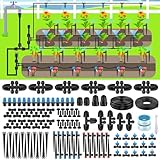
Overview:
The Pawfly 250 ft Drip Irrigation System is a comprehensive solution designed for large-scale garden hydration, covering up to 250 square feet with industrial-grade materials. This kit includes 50 feet of kink-resistant 1/2" main tubing and 200 feet of UV-stabilized 1/4" distribution tubing, plus over 100 accessories. The system features a unique 4-in-1 precision watering approach combining adjustable sprinklers, sprayers, misting nozzles, and pressure-compensating tee drippers.
What Makes It Stand Out:
The industrial-grade construction uses PVC main tubing that maintains flexibility in freezing temperatures and PE distribution tubing that resists summer softening, ensuring year-round reliability. The quick-connect design reduces installation time by 80%, while the versatile emitter selection allows precise moisture control for every plant type—from delicate seedlings to established shrubs.
Value for Money:
At $49.99, this kit delivers exceptional value for large gardens, offering the longest tubing length in its price class. The industrial-grade materials and extensive accessory package rival commercial systems costing twice as much. For gardeners managing diverse plantings across substantial areas, this represents significant long-term savings in both water and replacement costs.
Strengths and Weaknesses:
Strengths include massive coverage, superior material durability, versatile watering options, and quick-connect convenience. Weaknesses may include overwhelming complexity for small garden applications and potential over-purchase for casual gardeners. The extensive component count requires careful organization during installation.
Bottom Line:
The ultimate value choice for serious gardeners with large or multiple growing areas. The Pawfly kit’s industrial quality and extensive coverage make it a standout performer.
Why Smart Drip Irrigation is a Game-Changer for Raised Beds
Raised beds present unique watering challenges that standard sprinklers and soaker hoses simply can’t address effectively. The elevated soil mass drains faster than ground-level plots, creating moisture fluctuations that stress plants and reduce yields. Smart drip irrigation solves these problems by delivering water directly to the root zone with surgical precision, while built-in intelligence monitors conditions and adjusts delivery automatically. This means your plants receive consistent moisture exactly when needed, preventing both the drought stress that stunts growth and the overwatering that invites root rot and disease—common pitfalls in the contained environment of raised beds.
Understanding the Core Components of a Smart Drip System
Before diving into features and specifications, it’s essential to understand the fundamental building blocks that make these systems work. A smart drip irrigation kit is more than just tubing and emitters—it’s an integrated network of components that work in concert to deliver water intelligently.
Water Source Connections
Every system begins with a reliable connection to your water supply. Most kits include backflow preventers, pressure regulators, and filters that protect both your plants and your plumbing. The backflow preventer stops contaminated water from siphoning back into your household supply, while pressure regulators ensure the system operates within optimal parameters—typically 20-30 PSI for drip applications. Filters are non-negotiable; even small particles can clog emitters and compromise your entire setup. Look for kits with removable, cleanable filter screens rather than disposable ones for long-term cost savings.
Mainline Tubing
The mainline tubing serves as the arterial highway for your irrigation network. For raised beds, ½-inch polyethylene tubing provides the ideal balance of flexibility and durability. UV-resistant materials are critical for longevity, as sun exposure will degrade inferior plastics within a single season. The best systems use tubing with built-in emitters spaced at regular intervals, while more customizable setups utilize blank tubing where you manually insert emitters where needed—offering greater flexibility for irregular bed layouts.
Emitters and Drippers
These are the precision instruments that deliver water to your plants. Pressure-compensating emitters maintain consistent output regardless of pressure fluctuations, ensuring the last plant in line receives the same amount as the first. For raised beds, adjustable drippers allow you to fine-tune flow rates for different crops—perhaps 1 gallon per hour for shallow-rooted lettuce and 4 GPH for deep-rooted tomatoes. Some advanced systems offer self-cleaning emitters that flush debris automatically, dramatically reducing maintenance headaches.
Smart Controllers
The brain of the operation, smart controllers replace traditional timers with WiFi-enabled hubs that process data from multiple sources. These devices range from simple Bluetooth units that work within 30 feet of your phone to sophisticated controllers that integrate with weather satellites and soil sensors. The key differentiator is algorithm sophistication—basic units follow simple rain-delay protocols, while advanced controllers use predictive analytics to adjust watering schedules based on forecasted evapotranspiration rates.
Sensors and Monitoring Devices
True intelligence requires data input. Soil moisture sensors measure volumetric water content at root depth, providing real-time feedback about actual plant needs rather than assumed requirements. Temperature and humidity sensors help calculate evaporation rates, while rain gauges prevent wasteful watering during precipitation. The most advanced kits include flow meters that detect leaks or clogs by monitoring water usage patterns, sending alerts to your phone when anomalies occur.
How Smart Technology Transforms Traditional Drip Irrigation
Traditional drip systems operate on blind faith—set a timer and hope the schedule matches plant needs. Smart technology introduces a feedback loop that makes your irrigation system sentient. When a heatwave strikes, soil moisture sensors detect accelerated drying and signal the controller to increase frequency. When rain approaches, weather integration pauses scheduled watering automatically. This adaptive capability means your system learns your garden’s unique patterns, adjusting for factors like bed orientation, plant maturity, and seasonal growth stages. The result is a 30-50% reduction in water usage compared to conventional methods while simultaneously improving plant health and productivity.
Key Benefits of Installing a Smart Drip System in Raised Beds
Beyond water savings, smart drip systems deliver tangible advantages that justify the investment. First, they eliminate the daily watering chore, freeing up hours each week during peak growing season. Second, they prevent foliar diseases by keeping leaves dry—a critical benefit in humid climates where powdery mildew and blight thrive. Third, they reduce weed pressure by depriving pathway areas of moisture, cutting weeding time significantly. Fourth, they enable precise fertilization through fertigation—injecting diluted nutrients directly into the irrigation line. Finally, they provide peace of mind during vacations or busy periods, ensuring your garden thrives without constant supervision.
Essential Features to Look for When Shopping
Not all smart drip systems are created equal. Understanding which features genuinely enhance performance versus marketing fluff will help you invest wisely.
Weather Integration Capabilities
The hallmark of a truly smart system is its ability to communicate with weather services. Look for controllers that connect to hyperlocal weather stations or national databases like NOAA. The best systems don’t just respond to rain—they anticipate it, using forecast data to skip watering before precipitation arrives. Advanced units factor in humidity, wind speed, and solar radiation to calculate precise evapotranspiration rates, adjusting runtime down to the minute rather than in broad percentage increments.
Soil Moisture Monitoring
While weather data provides predictions, soil sensors deliver ground truth. Quality systems use capacitance-based sensors that measure water content without soil contact corrosion. Multiple sensor capability is crucial for raised beds with varied crops—you might want separate monitoring for your succulent herb bed and your water-loving cucumber bed. The controller should allow you to set different moisture thresholds for each zone, triggering irrigation only when specific beds reach critical dryness.
Flow Rate Adjustability
Flexibility in water delivery separates amateur systems from professional-grade setups. Look for controllers that support variable flow rates not just across zones, but within the same zone. This allows you to run a 15-minute cycle at high flow to establish seedlings, then automatically switch to a 2-hour low-flow cycle for mature plants. Some systems offer pulse irrigation—short bursts of water with rest periods—that maximizes absorption in fast-draining raised bed soil.
Zone Management
Most raised bed gardens require multiple zones due to varying water needs. A robust smart system should support at least four independent zones, with each zone capable of running different schedules and responding to different sensors. The interface should make it simple to group beds by crop type, sun exposure, or soil composition. Advanced systems allow cascading schedules, where completion of one zone triggers the next, preventing pressure drops and ensuring consistent flow throughout your garden.
Mobile App Functionality
The app is your primary interface, so usability matters immensely. Seek apps with intuitive dashboards showing real-time status of all zones, sensor readings, and upcoming schedules. Offline capability is essential—your system should continue operating even when WiFi is down, storing data locally and syncing when connection resumes. Look for customizable alerts that notify you of leaks, clogs, or unusual consumption patterns without spamming you with routine operation confirmations.
Sizing Your System: Matching Kit Capacity to Bed Dimensions
Proper sizing prevents both underperformance and unnecessary expense. Calculate your total linear footage of tubing needed by measuring bed perimeters and adding 10% for connections and mistakes. For emitters, count the number of plants requiring individual drippers, then add 20% for future expansion or replacements. Controller capacity is measured in zones—start with your current bed count but choose a system that supports 25% more zones than you need today. Water flow capacity, measured in gallons per minute, must exceed the total output of all simultaneously running emitters. A typical 4-bed garden with 40 emitters at 2 GPH each requires a minimum 2 GPM flow rate, though 3-4 GPM provides better performance margin.
Water Pressure Requirements and Solutions
Raised beds often sit far from house spigots, creating pressure challenges. Most drip systems require 20-30 PSI to function properly. If your outdoor spigot delivers higher pressure—common in municipal systems—a pressure regulator is mandatory to prevent emitter blowouts and tubing damage. For low-pressure situations, such as gravity-fed rain barrels, look for systems specifically designed for 10-15 PSI operation or consider adding a small booster pump. Pressure-compensating emitters become even more critical in low-pressure scenarios, as they maintain consistent output as pressure naturally drops along the line.
Power Options: Solar, Battery, and AC Considerations
Smart controllers need power, and your choice affects installation flexibility and reliability. AC-powered units provide unlimited runtime but require weatherproof outdoor outlets and may fail during power outages. Battery-powered controllers offer installation freedom but demand regular battery changes—typically every 6-12 months. Solar-powered systems with battery backup represent the sweet spot for most gardeners, harvesting energy during the day and storing it for nighttime operation. When evaluating solar options, check the panel wattage and battery capacity—a 5-watt panel with 2000mAh battery handles most residential setups, but larger gardens may need 10-watt panels for reliable performance during cloudy spells.
Installation Best Practices for Optimal Performance
Even the best system performs poorly with sloppy installation. Taking time to plan and execute properly pays dividends in performance and longevity.
Planning Your Layout
Sketch your garden layout, noting bed dimensions, plant spacing, and water source location. Identify potential obstacles like trellises, pathways, and underground utilities. Run mainlines along bed perimeters rather than through the center, making future expansion easier. Consider seasonal sun patterns—burying mainlines on the north side of beds prevents UV degradation and keeps them cooler, reducing algae growth.
Tubing Placement Strategies
In raised beds, lay tubing in concentric circles or serpentine patterns that spiral outward from the center. This ensures even coverage and prevents dry corners. For square-foot gardening layouts, run mainlines along grid lines with micro-tubing extending into each square. Keep emitters at least 6 inches from bed edges to reduce water loss, and position them on the downhill side of mounded soil to leverage gravity for deeper penetration.
Emitter Spacing Guidelines
Match emitter spacing to your soil type and plant maturity. For sandy soils that drain quickly, space emitters 8-12 inches apart to create overlapping wet zones. In loamy raised bed mixes, 12-18 inch spacing works well. For established plants with deep roots, position emitters at the drip line—the outer edge of the foliage canopy—rather than at the stem base, encouraging outward root growth and structural stability.
Securing and Protecting Components
Use U-shaped stakes to anchor tubing every 18-24 inches, preventing movement from wind or foot traffic. Install protective covers over exposed connectors and valves, shielding them from UV damage and curious wildlife. In regions with freezing winters, install quick-disconnect fittings at bed corners, allowing you to easily remove and store above-ground components during winterization.
Programming and Scheduling Strategies for Different Crops
Smart systems shine when programmed with crop-specific intelligence. Leafy greens like lettuce and spinach prefer frequent, light watering—perhaps 5-minute cycles three times daily during summer. Fruiting vegetables such as tomatoes and peppers benefit from deep, less frequent irrigation that encourages robust root systems—try 30-minute cycles every other day, adjusting based on fruit load. Herbs often thrive on minimal water; set moisture sensors to trigger irrigation only when soil approaches 30% saturation. Root vegetables need consistent moisture for uniform development; schedule 15-minute daily cycles, increasing to twice daily during bulb formation. Use your controller’s seasonal adjustment feature to automatically modify all schedules by percentage as temperatures change, eliminating manual recalibration.
Troubleshooting Common Smart Drip Irrigation Problems
Even smart systems encounter issues. Clogged emitters remain the most frequent problem—if flow drops in a specific zone, remove and flush emitters with water, or soak them in vinegar solution for mineral buildup. Leaks at connections often stem from improper seating; ensure tubing is fully inserted and warm it slightly in hot water before installation for easier fitting. If sensors report erratic moisture levels, check for air gaps around the probe—soil contact must be firm and continuous. WiFi connectivity issues typically resolve by relocating the controller closer to your router or adding a WiFi extender. Flow meters triggering false alarms usually indicate pressure fluctuations; install a pressure regulator upstream or adjust the meter’s sensitivity threshold in the app settings.
Seasonal Maintenance and Winterization
Smart systems require seasonal attention to maintain peak performance. In spring, flush the entire system by running each zone for 10 minutes without emitters, clearing winter debris. Inspect all tubing for UV cracking and replace suspect sections. Summer maintenance involves monthly filter cleaning and checking emitter output—hold a container under several emitters to verify consistent flow rates. Fall preparation includes draining water from all components and blowing out lines with compressed air if you’re in a freeze zone. For winterization, disconnect controllers and store them indoors, removing batteries to prevent corrosion. Insulate any underground valves with foam covers, and cap open ends to prevent pest intrusion.
Integrating with Existing Smart Home Ecosystems
Modern smart drip systems increasingly communicate with broader home automation platforms. Integration with systems like SmartThings, Hubitat, or Home Assistant allows you to create sophisticated rules: “If back door opens after sunset, pause irrigation for 5 minutes to prevent spraying visitors.” Voice control through Alexa or Google Home lets you manually trigger zones with simple commands—useful for spot-watering after transplanting. Some controllers support IFTTT (If This Then That) protocols, enabling creative automations like “If local pollen count exceeds high threshold, increase morning watering to rinse plant leaves.” When shopping, verify compatibility with your existing ecosystem—Z-Wave and Zigbee protocols offer more integration options than proprietary WiFi systems.
Cost Analysis: Upfront Investment vs. Long-Term Savings
Quality smart drip kits for a typical 4-bed garden range from $200 to $600, significantly more than basic timer systems. However, the math reveals compelling returns. Water savings of 30-50% translate to $50-$150 annually for average gardeners, depending on local rates. Reduced plant losses from inconsistent watering save another $30-$100 in replacement costs. Time savings—valued conservatively at $15/hour for 2 hours weekly over a 20-week season—adds $300 of reclaimed personal time. Most systems pay for themselves within 18-24 months. Factor in increased yields from optimized watering—often 15-25% more produce—and the financial argument becomes undeniable. Premium systems with advanced sensors cost more initially but provide better data and reliability, reducing long-term frustration and replacement costs.
Environmental Impact and Water Conservation Benefits
In an era of increasing water scarcity, smart drip systems represent responsible stewardship. By delivering water directly to roots with 90-95% efficiency (compared to 50-70% for sprinklers), they dramatically reduce waste. The precision prevents runoff that carries fertilizers and pesticides into waterways, protecting local ecosystems. Many smart controllers integrate with local water utility programs, automatically complying with watering restrictions and even qualifying for rebates—some municipalities offer $100-$300 incentives for installing EPA WaterSense-certified systems. The reduced energy footprint from eliminating pump overuse and preventing water treatment for wasted supply further enhances environmental benefits. For gardeners in drought-prone regions, these systems aren’t just convenient—they’re essential tools for sustainable food production.
Frequently Asked Questions
How difficult is it to install a smart drip irrigation system in existing raised beds?
Installation is surprisingly straightforward, typically requiring 2-4 hours for a 4-bed setup. Most kits use push-together fittings that need no special tools. The main challenge is threading tubing through established plantings—doing this in early spring before plants mature makes the process much easier. Controllers simply plug into outdoor outlets or mount with solar panels, connecting to your WiFi in minutes through a smartphone app.
Will smart irrigation work with rain barrels or other gravity-fed systems?
Yes, but you’ll need a low-pressure kit specifically designed for 5-15 PSI operation. Standard systems require 20+ PSI and won’t function properly with gravity feed. Look for emitters rated for low pressure and consider adding a small solar-powered pump to boost performance. Ensure your barrel sits at least 3 feet above bed level to generate adequate head pressure.
How many zones do I really need for my raised bed garden?
Plan for one zone per distinct crop type or sun exposure difference. A typical setup might include: Zone 1 for leafy greens (high frequency, low volume), Zone 2 for fruiting vegetables (deep watering), Zone 3 for herbs (minimal water), and Zone 4 for root crops (consistent moisture). Even if you start with fewer beds, choose a controller supporting 4-6 zones to accommodate future expansion.
What happens to my smart system when the WiFi goes down?
Quality controllers store schedules locally and continue operating normally during outages. Sensor data and usage logs queue up and sync once connectivity returns. You cannot make remote adjustments while offline, but the system maintains its programming. For reliability, choose controllers with internal memory rather than cloud-dependent operation.
How long do soil moisture sensors last, and are they worth the added cost?
Capacitance-based sensors typically last 3-5 years in garden conditions. They pay for themselves by preventing both overwatering damage and underwatering stress, often increasing yields by 10-15%. For gardens with varied crops or soil types, they’re essential. Simple gardens with uniform plantings can function adequately with weather-based scheduling alone.
Can smart drip systems handle liquid fertilizers and compost tea?
Yes, through a process called fertigation. Install an injector or mixing valve between the filter and mainline. Use water-soluble organic fertilizers diluted to half strength to prevent emitter clogging. Run plain water for 5 minutes after fertilizing to flush the system. Never run thick compost tea through standard emitters—instead, use specialized large-orifice drippers or apply tea separately.
What’s the maintenance time commitment compared to hand watering?
Expect 30 minutes monthly during growing season for filter cleaning and visual inspection, plus 1-2 hours for seasonal startup and winterization. This compares to 30-60 minutes daily for hand watering during summer. The time savings are substantial, and the system pays dividends during vacations and busy periods when manual watering would be impossible.
Are smart drip systems safe for edible gardens using rainwater?
Absolutely, and they’re ideal for rainwater harvesting. Install a first-flush diverter to discard initial runoff that may contain roof contaminants. Use food-grade tubing rated for potable water, and clean filters regularly. UV exposure in storage tanks naturally sanitizes water, and the filtration in smart systems provides additional protection. Many organic certification programs specifically approve drip irrigation for food crops.
How do I prevent rodents and wildlife from chewing on the tubing?
Bury tubing 1-2 inches under mulch to hide it from view and protect from UV damage. Use rigid PVC pipe for above-ground sections in high-traffic areas. Some gardeners add hot sauce or commercial repellents to exterior tubing, though this requires reapplication after rain. Motion-activated sprinklers near the garden perimeter can deter larger pests before they reach your irrigation lines.
Will installing a smart drip system increase my property value?
While it won’t dramatically boost appraisal values like a kitchen remodel, permanent irrigation systems are considered valuable landscape improvements. In water-conscious markets, especially western states, efficient irrigation can be a selling point. Document your installation with photos and keep receipts—some insurers offer small discounts for leak-detection systems, and the feature may appeal to eco-conscious buyers if you sell your home.