If you’ve ever slept through a blaring alarm clock—only to be jolted awake by a panicked roommate or missed meeting—you know the unique struggle of being a heavy sleeper. Traditional alarms treat waking up like a fire drill, triggering your fight-or-flight response and leaving you groggy, disoriented, and anything but refreshed. But what if you could trick your brain into believing it’s already morning, using the same biological signals that have guided human wake cycles for millennia?
Smart wake-up lights represent a paradigm shift in how we rise, replacing abrasive noise with a gradual, simulated sunrise that coaxes you from deep sleep rather than ripping you from it. For heavy sleepers, these devices aren’t just gentler—they’re often more effective, working with your circadian biology instead of against it. This guide dives deep into everything you need to know to choose, configure, and optimize a smart wake-up light that can finally conquer your deepest slumber.
Top 10 Smart Wake-Up Lights for Heavy Sleepers
Detailed Product Reviews
1. Risop Wake Up Light Sunrise Alarm Clock for Heavy Sleepers, All-in-One Smart Bedside Device with Bluetooth Speaker, FM Radio, Dual Alarm & Sleep Aid Night Light, Best Gift for Adults & Kids

Overview: The Risop Wake Up Light consolidates multiple bedside functions into an affordable package designed for heavy sleepers and families. This all-in-one device combines customizable sunrise simulation with modern conveniences like Bluetooth audio and FM radio, offering an accessible entry point into circadian-friendly wake technology without premium pricing.
What Makes It Stand Out: Exceptional customization defines this device: adjustable 10-60 minute sunrise duration, 18 color options with 20 brightness levels, and integrated Bluetooth speaker functionality. The dual alarm system with independent weekday/weekend settings caters perfectly to couples and families. These features typically require purchasing multiple separate devices.
Value for Money: At $29.99, it delivers remarkable feature density, undercutting competitors by 50-70% while maintaining core functionality. You’re essentially getting four devices—sunrise alarm, Bluetooth speaker, FM radio, and night light—for the price of one basic competitor. While build quality reflects the price point, the functionality-per-dollar is outstanding.
Strengths and Weaknesses: Strengths: Unbeatable price; highly customizable light settings; integrated Bluetooth audio; flexible dual alarms; 8 nature sounds Weaknesses: Unknown brand reliability; mediocre sound quality; utilitarian plastic construction; limited customer support
Bottom Line: An excellent starter sunrise alarm perfect for budget-conscious buyers, students, or children. While it won’t match premium brands for durability or audio fidelity, the comprehensive feature set at this price point makes it a compelling value proposition for first-time users.
2. Sunrise Alarm Clock with Sound Machine for Bedrooms Heavy Sleepers,Smart Wake Up Light Sunrise Alarm Clock White Noise Machine for Adults Kids(White)

Overview: The Linkoji Sunrise Alarm Clock emphasizes sleep wellness and convenience, positioning itself as a phone-free bedroom solution. Designed around reducing bedtime anxiety, it combines scientifically-selected nature sounds with sunrise simulation, targeting heavy sleepers and health-conscious users willing to invest in better sleep hygiene.
What Makes It Stand Out: The 5-meter infrared remote control distinguishes this from all competitors, allowing effortless adjustments from bed. Its 12 natural sounds are curated based on research showing 21% reduction in anxiety-related neural activity. The 15-minute sunrise duration is optimized for natural circadian rhythm alignment, creating a streamlined experience.
Value for Money: At $49.99, the remote convenience alone justifies the $20 premium over budget options. Combined with the research-backed sound library and emphasis on screen-free sleep, it delivers legitimate wellness value. It successfully bridges basic and premium tiers without sacrificing essential functionality.
Strengths and Weaknesses: Strengths: Convenient remote control; research-backed sound selection; Bluetooth streaming; optimized sunrise duration; thoughtful sleep-focused design Weaknesses: Non-adjustable sunrise timing; fewer color options; limited brand recognition; slightly higher price point
Bottom Line: Ideal for users prioritizing convenience and sleep science over customization. The remote transforms daily usability, making it worth the moderate price increase. Perfect for those serious about establishing a calming, phone-free bedtime routine.
3. Wake Up Light Sunrise Alarm Clock for Kids, Heavy Sleepers, Bedroom, with Sunrise Simulation, Sleep Aid, Dual Alarms, FM Radio, Snooze, Nightlight, Daylight, 7 Colors, 7 Natural Sounds, Ideal for Gift
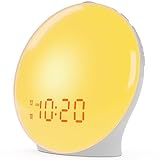
Overview: This family-oriented sunrise alarm balances essential features with practical functionality at a mid-range price. Designed for households with varied schedules, it emphasizes alarm flexibility and radio performance while maintaining core sunrise simulation benefits for heavy sleepers and children.
What Makes It Stand Out: The FM radio’s exceptional 76.0-108.0 MHz range captures more stations than typical models, and manual tuning via the snooze button is brilliantly intuitive. Three alarm schedule options—Every Day, Weekday, and Weekend—provide household flexibility rarely seen at this price point.
Value for Money: At $35.98, it competes aggressively with budget brands while adding meaningful differentiators. The extended FM range and schedule customization deliver premium utility without the cost. You’re getting 90% of high-end functionality at 25% of the price, making it a smart practical purchase.
Strengths and Weaknesses: Strengths: Flexible alarm scheduling; wide FM frequency range; innovative manual tuning; 7 colors with 20 brightness levels; family-friendly design Weaknesses: No Bluetooth connectivity; only 7 nature sounds; mid-tier build quality; display may still be too bright for sensitive sleepers
Bottom Line: A workhorse alarm excelling in radio functionality and schedule customization. Perfect for families needing reliable, flexible wake-up solutions. If Bluetooth streaming isn’t essential, this offers tremendous everyday value and practical convenience.
4. Philips SmartSleep Wake-up Light, Colored Sunrise and Sunset Simulation, 5 Natural Sounds, FM Radio & Reading Lamp, Tap Snooze, HF3520/60
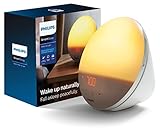
Overview: The Philips SmartSleep HF3520/60 represents the premium, clinically-validated standard in wake-up light technology. Recommended by physicians and backed by research, this device prioritizes proven sleep health benefits over gadgetry, targeting users who view quality sleep as a serious wellness investment.
What Makes It Stand Out: Clinical validation distinguishes this from all competitors—it’s actually recommended by sleep professionals. The 20 brightness settings provide granular control, while Philips’ legendary build quality ensures longevity. The 90-day money-back guarantee and tap-snooze functionality reflect thoughtful, confident design.
Value for Money: At $139.99, the premium reflects proven efficacy, premium materials, and brand trust. While lacking modern features like Bluetooth, it excels at its core mission. For those with sleep disorders or prioritizing circadian health, it’s a worthwhile long-term investment in well-being rather than just another gadget.
Strengths and Weaknesses: Strengths: Clinically proven effectiveness; premium construction; 20 brightness levels; physician recommended; 90-day guarantee; reliable brand heritage Weaknesses: Premium pricing; no Bluetooth connectivity; only 5 sounds; limited color options; dated interface design
Bottom Line: The top choice for sleep-conscious buyers valuing proven performance over features. If you want the most effective sunrise simulation and don’t need audio streaming, this is worth the investment. The money-back guarantee makes it virtually risk-free to experience the benefits.
5. Vivilumens Sunrise Alarm Clock for Heavy Sleepers Adults, Wake-up Light, Sleep Aid 10 White Noise Sound Machines with 30/60/90 Timer, 3 Level Dimmable Touch Table Lamp with Snooze USB Charger Port

Overview: The Vivilumens Sunrise Alarm Clock specializes in white noise therapy alongside sunrise simulation, targeting light sleepers and urban dwellers. At $38.99, it combines sound masking with gentle waking, plus practical touches like USB charging that address modern bedside clutter concerns.
What Makes It Stand Out: Ten white noise options with customizable 30/60/90-minute timers create a dedicated sleep therapy system. The integrated USB charging port eliminates outlet competition—a deceptively useful daily convenience. A unique breathing light function adds a relaxation element rarely seen in this category.
Value for Money: Slightly above budget pricing but delivers specialized white noise functionality that rivals dedicated $30+ sound machines. The USB port and breathing light mode add genuine utility, making this excellent value for those needing both light and comprehensive sound management in noisy environments.
Strengths and Weaknesses: Strengths: Extensive white noise library; USB charging port; breathing light mode; dual alarm functionality; 12-level volume control Weaknesses: Fixed 10-minute sunrise duration; limited color selection; no FM radio; brand recognition is minimal
Bottom Line: An excellent hybrid solution for city living or households where noise pollution is a concern. If white noise therapy is as important as sunrise simulation, this combines two devices into one sleek, affordable package. The USB port adds everyday practicality you’ll use constantly.
6. INSSISAIN Sunrise Alarm Clock for Bedrooms - Auto-Rotating Moon Lamp with Wake-Up Light & Night Light, 10 Nature Sounds, Dual Alarms for Heavy Sleepers, 30/60/90 Timer & Snooze

Overview: The INSSISAIN Sunrise Alarm Clock merges functional art with sleep technology through its motorized 360° rotating moon lamp design. This $59.99 device targets heavy sleepers who appreciate aesthetic ambiance alongside practical features. It combines sunrise simulation, dual alarms, ten nature sounds, and customizable mood lighting in a premium USB-C powered package suitable for bedrooms, nurseries, or meditation spaces.
What Makes It Stand Out: The auto-rotating moon lamp is genuinely unique in the sunrise clock market, creating dynamic, shifting light patterns that transform static bedrooms into kinetic environments. The dual-alarm system offers rare flexibility—Alarm 1 pairs sunrise light with sound while Alarm 2 uses audio only, perfect for couples with different sleep needs. The 30/60/90-minute sleep timer integrates seamlessly with nature tracks like campfire crackles, while eight color modes provide ambient lighting for various activities.
Value for Money: Competitors with comparable sound libraries and sunrise features typically retail for $70-90, making this $59.99 price attractive. The rotating mechanism, USB-C charging, and gift-worthy packaging add tangible value. However, you’re partially paying for design novelty rather than extended features, as the 10-minute sunrise is shorter than the clinically recommended 15-30 minutes.
Strengths and Weaknesses: Strengths include the mesmerizing rotating moon aesthetic, versatile dual-alarm configuration, comprehensive sound library, and premium build quality. Weaknesses: the rotation may distract some users, maximum 85dB volume might not awaken the deepest sleepers, and the sunrise duration cannot be customized. The moon design, while beautiful, may not suit minimalist décor preferences.
Bottom Line: Perfect for design-conscious heavy sleepers who value ambiance alongside function. The rotating moon lamp makes it an exceptional gift for tech enthusiasts and art lovers, though pure pragmatists may prefer simpler, more customizable models.
7. Sunrise Alarm Clock with Sound Machine for Bedrooms Heavy Sleepers,Smart Wake Up Light Sunrise Alarm Clock White Noise Machine for Adults Kids (Milk White)
Overview: The Linkoji Sunrise Alarm Clock prioritizes ergonomic convenience and sleep science in a clean, milk-white design. At $59.99, this device focuses on reducing sleep anxiety through twelve research-backed nature sounds while solving a critical user pain point: the 5-meter infrared remote with backlit buttons. It’s engineered for seniors, students, and anyone who loathes fumbling for controls in darkness.
What Makes It Stand Out: The remote control transforms daily interaction—adjust sunrise timing, dim the night light, or pause audio without leaving bed. This seemingly minor feature eliminates chronic frustration with button-only designs. The fifteen-minute sunrise simulation aligns with circadian rhythm research, gradually brightening before sound activates. Bluetooth connectivity adds modern flexibility for streaming podcasts or music, while the curated sound library claims to reduce anxiety-related neural activity by 21%.
Value for Money: Priced at $59.99, it competes directly with the INSSISAIN but trades rotating aesthetics for practical usability. The remote alone justifies the cost compared to competitors requiring physical contact. While lacking FM radio or decorative flair, it delivers superior ergonomic value through thoughtful, research-informed design.
Strengths and Weaknesses: Strengths include exceptional remote convenience, scientifically-selected sound tracks, seamless Bluetooth streaming, and optimal sunrise duration. The backlit remote buttons remain visible in total darkness, benefiting users with vision challenges. Weaknesses: generic milk-white design lacks visual distinction, no dual alarm functionality is mentioned, and the remote requires line-of-sight. The sound library, while curated, offers fewer options than some rivals.
Bottom Line: Ideal for seniors, students, or anyone prioritizing convenience and sleep science over flashy design. The remote makes it genuinely user-friendly, particularly for those with mobility limitations or who prefer adjusting settings from under the covers.
8. Zelaclock Sunrise Alarm Clock, White Noise Sound Machine, Sunlight Alarm Clocks for Bedrooms, 9 Natural Wake Up RGB Night Light, 30 Soothing Sounds for Heavy Sleepers, Baby, Kids, Adults

Overview: The Zelaclock Sunrise Alarm Clock positions itself as a feature-rich technical powerhouse at just $49.99, significantly undercutting premium competitors. This 4-in-1 device integrates sunrise simulation, white noise machine, alarm clock, and Bluetooth 5.3 speaker. With thirty non-looping sounds and music-reactive lighting modes, it targets budget-conscious tech enthusiasts unwilling to sacrifice functionality.
What Makes It Stand Out: Bluetooth 5.3 with automatic time sync ensures your clock stays perpetually accurate without manual adjustment—a rare convenience. The thirty non-looping sounds, delivered through full-range speakers with acoustic chambers, provide theater-quality audio that budget devices rarely match. Music-reactive lighting modes (C08-C09) create dynamic ambiance, while the extensive 10-480 minute smart sleep timer accommodates everything from power naps to all-night relaxation sessions.
Value for Money: At $49.99, this offers 30-40% more features than similarly priced competitors, including connectivity that typically commands $70+. The Bluetooth speaker functionality alone adds substantial value. The compromise appears limited to brand recognition and materials, not core performance.
Strengths and Weaknesses: Strengths include exceptional price-to-feature ratio, latest Bluetooth technology, thirty high-quality non-looping sounds, extensive timer customization, and music-reactive lighting. The nine dynamic light themes provide ample customization. Weaknesses: requires constant AC power with no battery backup, lacks remote control or dual alarm features, and the utilitarian design won’t win design awards. Setup may intimidate less tech-savvy users despite its capabilities.
Bottom Line: Outstanding value for budget-conscious buyers wanting maximum technical features. Tech enthusiasts will appreciate the Bluetooth 5.3 and auto-sync, though those prioritizing premium aesthetics or simple operation should consider alternatives. It’s function over form, executed impressively.
9. Sunrise Alarm Clock for Heavy Sleepers, Wake Up Light with Sunrise/Sunset Simulation, Dual Alarms & Natural Sounds, Snooze & Sleep Aid, FM Radio, 7 Colors Night Light for Bedroom, Ideal for Gift

Overview: The Dekala Sunrise Alarm Clock delivers essential wake-up light functionality at an aggressive $28.49 entry point. This budget-conscious device surprisingly includes premium features like FM radio, dual alarms, and sunset simulation alongside seven-color mood lighting and twenty brightness levels. With breathing light effects and generous snooze options, it provides remarkable customization for first-time buyers.
What Makes It Stand Out: FM radio capability (76-108 Hz) is exceptionally rare in budget sunrise clocks, adding significant entertainment value. The breathing light feature creates soothing pulsing effects for relaxation and sleep onset. Dual alarms with extensive snooze functionality (9 minutes, up to 5 times) accommodate complex family schedules. The inclusion of a comprehensive instructional video directly addresses setup frustrations common with affordable tech products.
Value for Money: At $28.49, this undercuts most competitors by 50% or more while covering all sunrise clock fundamentals: light simulation, nature sounds, dual alarms, and mood lighting. The FM radio partially compensates for absent Bluetooth connectivity. While build quality and sound fidelity won’t match premium models, core sleep benefits remain intact.
Strengths and Weaknesses: Strengths include unbeatable price, comprehensive basic features, FM radio inclusion, flexible dual alarms, and helpful setup support. The twenty brightness levels offer fine-tuned control. Weaknesses: no Bluetooth connectivity, plastic construction feels inexpensive, unspecified sunrise duration (likely brief), and basic sound quality. The seven-color palette is limited compared to RGB competitors.
Bottom Line: Perfect for first-time buyers, children’s rooms, or gift-giving on a budget. It delivers core sunrise clock benefits without frills, making it an excellent entry point into sleep technology. Those seeking premium audio or smart features should invest more, but this accomplishes its primary mission admirably.
10. MOMILLA Sunrise Alarm Clock, 3 in 1 Wireless Charging Station, Smart App Control White Noise Sound Machine, Wake up Light, Sunset Night Light Alarm Clocks for Heavy Sleepers Kids
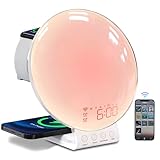
Overview: The MOMILLA Sunrise Alarm Clock redefines bedside convenience as a comprehensive 3-in-1 wireless charging station and smart home hub. At $79.99, this premium device simultaneously charges smartphones, smartwatches, and wireless earbuds while delivering sunrise/sunset simulation. App and voice control via Alexa/Google Assistant transform it from mere alarm clock into integrated smart home component.
What Makes It Stand Out: Integrated wireless charging eliminates cable clutter—replacing three separate chargers and an alarm clock with one sleek unit. The Smart Life App enables custom alarm schedules beyond basic weekday/weekend modes, allowing specific day combinations. Voice control provides hands-free operation, while the 0-120 minute sunrise duration offers maximum personalization. An extra Type-C port charges a fourth device, demonstrating exceptional utility engineering.
Value for Money: At $79.99, it’s the most expensive option here, but the wireless charging station justifies $40-50 of that premium. Combined with smart home integration and app control, the price reflects genuine multi-functionality rather than brand tax. For Apple/Samsung ecosystem users, this elegantly consolidates multiple devices while adding sunrise benefits.
Strengths and Weaknesses: Strengths include unparalleled charging convenience, smart home integration, extensive sunrise customization, flexible snooze (5-20 minutes, up to 6 times), and premium build quality. The app enables true customization. Weaknesses: requires 2.4G WiFi (no 5G support), limited appeal for non-smart-home users, complex setup compared to basic models, and the price exceeds what sunrise-clock-only buyers typically budget.
Bottom Line: Ideal for tech-forward users invested in smart home ecosystems who need wireless charging. If you’re already purchasing a charging station, this is a no-brainer upgrade. Pure alarm clock seekers or those without smart speakers should choose more focused, affordable alternatives. It’s a lifestyle device, not just a clock.
What Are Smart Wake-Up Lights and How Do They Work?
Smart wake-up lights—sometimes called sunrise alarm clocks or dawn simulators—are specialized devices that use gradually increasing light intensity to mimic natural sunrise. Unlike traditional alarm clocks that rely solely on sound, these devices begin illuminating your room anywhere from 10 to 60 minutes before your desired wake time. The light starts at a barely perceptible glow and progressively brightens, typically reaching maximum intensity equivalent to a bright, sunny morning.
The technology leverages your body’s intrinsic photoreceptors, particularly melanopsin-containing retinal ganglion cells, which communicate directly with your suprachiasmatic nucleus—the brain’s master clock. This light exposure suppresses melatonin production and gently elevates cortisol levels, creating a biological cascade that naturally reduces sleep pressure. For heavy sleepers, this biological priming is crucial because it begins the arousal process during lighter sleep stages, making you more responsive when secondary sounds eventually kick in.
Why Heavy Sleepers Need a Different Approach to Waking Up
Heavy sleepers aren’t just deep sleepers—they often spend more time in slow-wave sleep and have a higher arousal threshold, meaning it takes more stimuli to transition from sleep to wakefulness. Research indicates that some individuals require up to 40 decibels more sound to wake than average sleepers, which explains why conventional alarms feel insufficient or must be set to ear-splitting volumes.
The problem with traditional alarms is their binary nature: they’re either off or screaming. This triggers a startle response that can spike blood pressure and stress hormones, leaving you in sleep inertia—that foggy, cognitively impaired state that can last for hours. Smart wake-up lights circumvent this by initiating a gradual, biologically congruent wake process. For heavy sleepers, this means the light does the heavy lifting, so any accompanying sound can be set to a more reasonable, less jarring level while still being effective.
The Science Behind Light-Based Alarm Clocks
Your circadian rhythm operates on a roughly 24-hour cycle, orchestrated by external zeitgebers (time-givers), with light being the most powerful. Morning light exposure phase-advances your internal clock, signaling that the day has begun. Smart wake-up lights exploit this mechanism by delivering calibrated light that begins while you’re still in REM or lighter non-REM sleep stages.
Studies published in the Journal of Clinical Sleep Medicine demonstrate that dawn simulation can reduce sleep inertia by up to 50% compared to conventional alarms. The light triggers a cascade: first, melanopsin receptors detect the photons, then the suprachiasmatic nucleus signals the pineal gland to halt melatonin synthesis. Simultaneously, your core body temperature begins rising, and cortisol follows its natural diurnal pattern. For heavy sleepers, this multi-system approach is more reliable than sound alone, which only engages the auditory pathway.
Key Features to Look for in a Smart Wake-Up Light
When evaluating options, prioritize these non-negotiable features designed specifically for challenging sleepers:
Maximum Light Output: Look for devices that reach at least 300-400 lux at bedside distance. Anything less may be insufficient for deep sleepers, especially in dark winter months.
Customizable Sunrise Duration: The ability to adjust the light ramp-up from 15 to 60 minutes lets you find your personal sweet spot. Heavy sleepers often need longer durations to allow the biological effects to accumulate.
Dimmable Display: A bright LED clock face can sabotage your sleep environment. Ensure the display can be completely turned off or dimmed to near-darkness.
Backup Sound Options: Even the best light needs an insurance policy. Look for nature sounds, FM radio, or custom audio that can activate at peak brightness.
Power Failure Protection: A battery backup isn’t just convenient—it’s essential. Heavy sleepers who lose power overnight could miss critical alarms without it.
Understanding Light Intensity and Lux Levels
Lux, the unit of illuminance, is perhaps the most critical specification for heavy sleepers. A typical bedroom at night registers under 50 lux. Quality smart wake-up lights should deliver 200-400 lux at your pillow’s distance, roughly equivalent to twilight to early dawn. However, manufacturer claims often measure lux at the source rather than at bedside, so real-world performance matters more than specifications.
For perspective, direct sunlight reaches 100,000 lux, while a bright office is about 500 lux. Heavy sleepers should target the upper end of the device’s range. Some advanced models offer “boost” modes that temporarily spike to 500+ lux for particularly stubborn mornings. Consider your bedroom’s ambient darkness too—blackout curtains require more powerful lights than sheer drapes.
Placement dramatically affects intensity. A light positioned 12 inches from your face delivers four times the lux of one 24 inches away. However, side placement can cause uneven illumination. The optimal position is typically 16-20 inches from your head, angled toward your face but not directly in your line of sight when sleeping.
Color Temperature: Why It Matters for Your Circadian Rhythm
Color temperature, measured in Kelvin (K), fundamentally influences your biological response. Morning sunlight ranges from 2,000K (warm sunrise red) to 5,500K (bright daylight). The best smart wake-up lights replicate this progression, starting with deep oranges and reds before transitioning to cool whites.
This matters because different wavelengths penetrate your eyelids with varying efficiency. Red light passes through closed eyelids more effectively than blue light, making it ideal for the initial phase when you’re in deep sleep. As you near wake time, the cooler white light with blue wavelengths becomes more impactful for final arousal and alertness.
Avoid devices that jump straight to cool white light. The gradual spectral shift is what makes the experience feel natural and prevents the jarring sensation of flipping on a bright overhead light. Some premium models allow you to customize the color path, letting heavy sleepers extend the warm phase for gentler pre-wake conditioning.
Sound Integration: More Than Just a Backup Alarm
While light does the primary work for heavy sleepers, integrated sound serves multiple functions. The most sophisticated devices layer nature sounds that begin at low volume during the light’s final brightening stage. This creates a multisensory approach that’s harder to sleep through than either stimulus alone.
Look for devices offering non-jarring options like birdsong, ocean waves, or gentle chimes that increase slowly over 1-3 minutes. Some models include FM radio with gradual volume ramping, letting you wake to familiar voices. For true heavy sleepers, the ability to upload custom audio files is invaluable—recordings of your children calling you or a specific song can cut through sleep more effectively than generic tones.
Crucially, the sound should be decoupled from the light schedule. You might want light to begin 45 minutes before wake time but sound only in the final 5 minutes as a safety net. This flexibility prevents unnecessary noise while ensuring you don’t oversleep.
Smart Connectivity and App Integration
Modern smart wake-up lights offer WiFi or Bluetooth connectivity that transforms them from standalone devices into integrated sleep systems. Dedicated apps unlock advanced scheduling, letting you set different sunrise times for weekdays, weekends, and even individual days. This is particularly useful for heavy sleepers who need varying routines.
App control also enables remote adjustments without fumbling with buttons when you’re half-asleep. Some systems integrate with sleep trackers, using your actual sleep stage data to time the light onset dynamically. If your wearable detects you’re in deep sleep at the scheduled wake time, it can delay the alarm slightly until you enter a lighter stage.
Voice assistant compatibility (Alexa, Google Assistant, Siri) allows for hands-free operation. You can say “set my alarm for 6:30 with a 45-minute sunrise” or adjust brightness mid-cycle. For heavy sleepers, the ability to quickly modify settings without physical interaction is surprisingly valuable during those mornings when you need just 15 more minutes.
Customization and Personalization Options
One-size-fits-all approaches fail heavy sleepers. The most effective devices offer granular customization that lets you dial in the experience. Look for:
Multiple User Profiles: If you share a bed, each person needs independent settings. Some lights can simulate two sunrises—one earlier and dimmer, one later and brighter—accommodating different schedules.
Weekend vs. Weekday Modes: Your body doesn’t adhere to a Monday-Friday schedule, but your alarm should. Programmable modes prevent weekend oversleeping while allowing gentler, later sunrises.
Snooze Functionality: Unlike traditional snooze buttons that simply delay the noise, smart snoozes can be configured to restart the light cycle at a lower intensity, giving you a mini-sunrise rather than an abrupt re-alarm.
Sunset Features: The ability to reverse the process—a gradually dimming light at night—can improve sleep onset, making the entire sleep-wake cycle more robust for heavy sleepers.
Power Backup and Reliability Concerns
For heavy sleepers, a dead alarm isn’t an inconvenience—it’s a catastrophe. Yet many smart wake-up lights treat battery backup as an afterthought. Understand the difference between “battery backup” and “battery powered.” The former maintains alarm functions during outages; the latter runs entirely on batteries, often sacrificing brightness.
A proper backup system should include a replaceable coin-cell battery or small rechargeable cell that powers the clock and alarm memory. During a power failure, the light may not illuminate, but the device should retain your settings and trigger an audible alarm at the correct time. Some advanced models include a small internal battery capable of running a dimmed light sequence for at least 30 minutes, ensuring you still get the biological benefits during outages.
Consider devices with automatic time synchronization via internet or radio signals. Heavy sleepers who travel or experience frequent power flickers benefit from alarms that self-correct, eliminating the anxiety of wondering if your clock is accurate.
Design and Aesthetics for Your Bedroom
A device that sits on your nightstand 24/7 must blend with your space. Smart wake-up lights range from minimalist orbs to retro-styled clocks to futuristic towers. Beyond aesthetics, consider the physical interface: tactile buttons you can find in the dark versus sleek touch panels that require visual attention.
Display brightness is a critical design element. Many heavy sleepers are also light-sensitive when trying to fall asleep. The best designs allow the display to go completely dark or show only a faint red time readout that won’t suppress melatonin. Some use proximity sensors that illuminate the display only when you wave your hand nearby.
Material quality affects durability and light diffusion. Frosted glass or high-quality plastic diffusers create a softer, more natural light spread than clear plastic that can create harsh hotspots. The base should be weighted to prevent accidental knocking—especially important for heavy sleepers who may thrash during vivid dreams.
Price Ranges and Value Considerations
Smart wake-up lights span from $30 budget models to $200+ premium devices. Understanding what you sacrifice at each tier helps heavy sleepers invest wisely.
Budget ($30-$60): These typically offer fixed sunrise duration (often non-adjustable 30 minutes) and lower maximum brightness (150-200 lux). They may lack battery backup and use basic LED color transitions. While better than nothing, they often disappoint heavy sleepers who need more power.
Mid-Range ($60-$120): This sweet spot delivers 300+ lux, customizable durations, multiple sounds, and basic app connectivity. Most heavy sleepers find these models meet their needs without premium frills. Battery backup becomes standard, and build quality improves significantly.
Premium ($120-$200+): Here you get 400+ lux output, advanced spectral control, biometric integration, sunrise/sunset simulation, and superior materials. For the most stubborn heavy sleepers or those with seasonal affective disorder, the investment pays dividends in consistency and features.
Consider total cost of ownership. A $150 device that lasts 7 years costs less than a $60 device replaced every 18 months. Heavy sleepers should view this as a sleep health investment, not just a gadget purchase.
Common Mistakes Heavy Sleepers Make When Choosing Wake-Up Lights
Even with perfect specifications, user errors can sabotage effectiveness. The most frequent mistake is underestimating required brightness. If you’re a true heavy sleeper, don’t settle for the minimum—opt for the brightest model you can afford and position it correctly.
Poor placement is another killer. Tucking the light on a far nightstand or behind objects dramatically reduces lux delivery. It needs clear line-of-sight to your face, even through closed eyelids. Test placement during the day by lying in your sleeping position and having someone activate the light—you should see the glow through your eyelids.
Inconsistent usage undermines adaptation. Your circadian system thrives on regularity. Using the light only on weekdays creates a “social jetlag” effect that makes Monday mornings even harder. Heavy sleepers need the consistency of daily use to recalibrate their arousal threshold.
Ignoring the sound component is risky. While the goal is light-only waking, having no audible backup means a single device failure or unusually deep sleep phase could spell disaster. Always configure a gentle final-stage sound, even if you hope never to need it.
How to Optimize Your Bedroom Environment for Maximum Effectiveness
Your smart wake-up light doesn’t operate in isolation. The darker your room, the more dramatic and effective the sunrise simulation. Invest in quality blackout curtains or shades that eliminate streetlights and early dawn leakage. This creates a high-contrast environment where the artificial sunrise has maximum impact.
Room temperature matters too. A cool bedroom (60-67°F) promotes deeper sleep, which is good for restoration but challenging for waking. Consider a programmable thermostat that begins raising temperature 30 minutes before wake time, complementing the light’s effects. The combination of light and subtle warmth creates a powerful awakening cue.
Minimize competing light sources. Charge devices outside the bedroom or use opaque charging stations. Even tiny LED indicators from electronics can raise your baseline light exposure, reducing the relative impact of your wake-up light. For heavy sleepers, every lux counts.
Setting Up Your Smart Wake-Up Light for Success
The first week with your new device requires patience and experimentation. Start by setting the light to begin illuminating 60 minutes before your target wake time. This extended duration gives your body ample opportunity to respond, especially during the adjustment period.
Position the light at eye level or slightly above when you’re lying down. This mimics natural sunrise angles and ensures optimal eyelid penetration. Avoid placing it below bed level where furniture can block the beam.
Test the sequence on a weekend when oversleeping has fewer consequences. Note how you feel upon waking—if you’re still groggy, try starting the light earlier or increasing maximum brightness. If you wake too early, shorten the duration or reduce intensity. Heavy sleepers often need 2-3 weeks to fully adapt as their circadian systems recalibrate.
Enable the “sunset” feature for the first week too. A 30-minute dimming period before bed can improve sleep onset quality, making the morning wake-up more effective by ensuring you’re not sleep-deprived.
Troubleshooting Common Issues
Light Not Waking You: First verify actual lux delivery using a phone light meter app. If readings are below 200 lux at your pillow, reposition closer or upgrade to a more powerful model. Also check that your eyelids aren’t completely covered by blankets or sleep masks during the final brightening stage.
Waking Too Early: You’re likely sensitive to the initial red glow. Most devices let you delay the start of visible light or reduce the initial intensity. Try starting with a 30-minute sunrise instead of 60 minutes, or position the light slightly more peripheral to your direct vision.
Inconsistent Performance: Track your sleep schedule. Waking effectiveness varies with sleep debt, alcohol consumption, and medication. If you notice patterns of failure, correlate them with lifestyle factors. Some smart lights can connect to sleep trackers to auto-adjust based on your actual sleep depth.
App Connectivity Problems: If your device frequently disconnects from WiFi, try moving your router closer or using a 2.4GHz band (which penetrates walls better than 5GHz). For Bluetooth models, ensure no other devices are interfering and that your phone remains within range overnight.
The Future of Sleep Technology and Wake-Up Lights
The next generation of smart wake-up lights is moving beyond simple timers toward true biometric responsiveness. Emerging models integrate with EEG headbands or under-mattress sensors that detect real-time sleep stages. When the system identifies you’re in light sleep within your target wake window, it triggers the sunrise sequence for optimal arousal timing.
Artificial intelligence is beginning to personalize light recipes based on your response patterns. If the system notices you consistently fail to wake at 300 lux but respond reliably at 350 lux, it auto-adjusts. Some prototypes even incorporate scent diffusion, releasing stimulating essential oils like peppermint during the final light phase.
Circadian lighting throughout the home is another frontier. Your bedroom wake-up light will communicate with smart bulbs in your bathroom and kitchen, creating a house-wide sunrise that makes waking nearly unavoidable. For heavy sleepers, this multi-room approach may become the gold standard, ensuring light reaches you even if you bury your face in the pillow.
Frequently Asked Questions
1. How long does it take for a heavy sleeper to adjust to a smart wake-up light?
Most heavy sleepers need 2-4 weeks of consistent use for their circadian systems to adapt. During the first week, you may still need a backup alarm. By week three, many users report waking naturally before the sound component activates. Persistence is key—your brain is literally rewiring its arousal threshold.
2. Can I use a smart wake-up light if I share a bedroom with someone who wakes up later?
Yes, but it requires specific features. Look for models with “partner mode” that uses directional light or two-stage alarms. Alternatively, position the light on your side of the bed and use a lower maximum brightness combined with a personal sound profile that won’t disturb your partner.
3. Will a smart wake-up light work if I sleep with my face buried in the pillow?
Light must reach your retinas to be effective. If you’re a stomach sleeper who buries your face, position the light above head level angled downward. Some heavy sleepers use two smaller lights on either side of the bed to create omnidirectional illumination. Consider training yourself to sleep on your back for the final sleep cycles.
4. Are there any health risks associated with using bright light in the morning?
Morning light exposure is generally safe and beneficial. However, people with certain retinal conditions, bipolar disorder (who may be sensitive to light-triggered mania), or those taking photosensitizing medications should consult a physician. For most heavy sleepers, the benefits far outweigh minimal risks.
5. Can smart wake-up lights help with seasonal affective disorder (SAD) in addition to waking me up?
Many models double as SAD therapy lamps, delivering the 10,000 lux at proper distance required for treatment. However, not all do—check specifications carefully. The gradual sunrise feature is therapeutic on its own, but clinical SAD treatment requires specific intensity and duration standards.
6. What happens if I need to wake up at different times each day?
Quality devices allow for 7-day programming with different times per day, plus multiple alarms per day. App-controlled models let you quickly adjust schedules from your phone. Some even sync with your calendar to auto-adjust based on your first meeting time.
7. Do I need to stop using my phone alarm completely?
During the adjustment period, keep your phone alarm as a backup set for 5-10 minutes after your target time. Once you’re consistently waking to the light alone, you can retire the phone alarm. Many heavy sleepers continue using phone alarms for critical appointments as an extra safety net.
8. Can children or teenagers who are heavy sleepers use these devices?
Absolutely, and they may be even more effective for younger people whose circadian systems are more responsive to light. Look for models with parental controls to prevent late-night setting changes. The American Academy of Pediatrics recommends light-based alarms as healthier alternatives to loud sounds for adolescent sleep health.
9. How do I travel with a smart wake-up light?
Compact, battery-powered travel models exist but sacrifice brightness. A better solution is a portable, app-controlled puck light that can turn any hotel lamp into a dawn simulator. Some heavy sleepers simply bring their primary device, as the consistency helps maintain their circadian rhythm across time zones.
10. Why am I still groggy even after the light wakes me up?
You may be experiencing residual sleep inertia from waking during deep sleep. Try starting the light earlier to catch a lighter sleep stage, or use a two-stage approach: a dim initial sunrise followed by a brighter final phase. Also evaluate your total sleep duration—most heavy sleepers need 8-9 hours, and no alarm can overcome chronic sleep deprivation.