Imagine waking up to a flooded basement, warped hardwood floors, and a water bill that’s tripled overnight. It’s not just a nightmare scenario—it’s a reality for millions of homeowners every year. Water damage claims have now surpassed fire damage as the leading cause of home insurance losses, with the average incident costing upwards of $10,000. Yet most of these disasters are entirely preventable. Enter the unsung hero of modern home protection: smart water-leak sensors with automatic shut-off capabilities. These intelligent guardians don’t just alert you to problems—they stop them in their tracks, saving thousands of gallons, preventing catastrophic damage, and quietly paying for themselves through reduced insurance premiums and utility bills.
While traditional leak detectors simply scream for attention, today’s auto shut-off systems act as your home’s first responders, cutting water supply within seconds of detecting irregularities. They’re the difference between a damp spot on the floor and a six-month renovation project. But navigating the world of flow monitors, pressure sensors, and smart integrations can feel overwhelming. This comprehensive guide cuts through the noise, equipping you with everything you need to know to choose, install, and maximize a system that protects your home, wallet, and the environment.
Top 10 Smart Water-Leak Sensors with Auto Shut-Off
Detailed Product Reviews
1. Moen Flo Smart Water Monitor and Automatic Shutoff Sensor, Wi-Fi Water Leak Detector for 3/4-Inch Diameter Pipe, 900-001

Overview: The Moen Flo Smart Water Monitor represents a premium approach to whole-home water protection. Designed for standard 3/4-inch residential pipes, this intelligent device continuously monitors water flow, pressure, and temperature to detect anomalies before they become disasters. It installs directly on your main water line and serves as a proactive guardian against everything from pinhole leaks to catastrophic bursts.
What Makes It Stand Out: FloSense technology is the star here—this system learns your household’s unique water usage patterns over time, distinguishing between normal activities and potential problems. Unlike basic leak detectors, it can identify micro-leaks as small as one drop per minute. The automatic shutoff feature responds instantly when it detects sustained abnormal flow, potentially saving tens of thousands in water damage. The multi-channel alerting system via app, phone calls, and emails ensures you’re notified regardless of your location.
Value for Money: At $499.47, this is a significant investment, but consider it against your home insurance deductible and potential damage costs. Many insurance providers offer premium discounts for installing certified automatic shutoff systems. While cheaper alternatives exist, none match Moen’s sophisticated pattern recognition and proactive monitoring capabilities. The price reflects enterprise-grade technology adapted for residential use.
Strengths and Weaknesses: Strengths include unparalleled leak detection sensitivity, comprehensive alert system, insurance incentives, and seamless app integration. The automatic shutoff provides true peace of mind. Weaknesses are the high upfront cost, mandatory professional installation adding $200-300, and potential subscription fees for advanced features. The system requires consistent Wi-Fi and power to function optimally.
Bottom Line: For homeowners seeking maximum protection without compromise, the Moen Flo is worth every penny. It’s particularly valuable for frequent travelers or those with finished basements where undetected leaks cause catastrophic damage.
2. Moen Flo Smart Water Monitor and Automatic Shutoff Sensor, Wi-Fi Connected Water Leak Detector for 1-Inch Diameter Pipe, 900-006
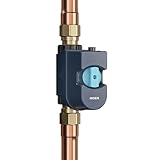
Overview: This 1-inch variant of Moen’s flagship smart water monitor brings identical intelligent protection to homes with larger plumbing systems. Engineered for properties requiring higher water flow capacity, it maintains the same learning capabilities and proactive shutoff features as its 3/4-inch counterpart. The device serves as a comprehensive water management system, not merely a leak detector.
What Makes It Stand Out: The identical FloSense technology adapts to your household’s consumption patterns, providing sophisticated anomaly detection that basic sensors cannot match. Its ability to differentiate between a running toilet and a burst pipe prevents false alarms while ensuring genuine threats trigger immediate action. The system monitors flow rate, pressure, and temperature simultaneously, creating a holistic view of your plumbing health. The multi-platform notification system keeps you informed through app alerts, phone calls, and emails.
Value for Money: Priced at $549.98, you’re paying a $50 premium for the larger pipe diameter capacity. For homes with 1-inch mains, this is non-negotiable. The value proposition mirrors the 3/4-inch model: substantial upfront cost versus potential six-figure water damage savings. Insurance premium reductions can offset the price over time. Professional installation remains necessary, adding to total investment.
Strengths and Weaknesses: Strengths include precise leak detection, automatic emergency response, comprehensive monitoring, and potential insurance discounts. The system’s learning algorithm reduces false positives over time. Weaknesses involve the higher price point, installation costs, reliance on stable internet and power, and possible ongoing subscription fees for full functionality. Compatibility with larger pipes limits its audience.
Bottom Line: Essential for homes with 1-inch plumbing requiring top-tier protection. The pipe-size premium is justified, though budget-conscious buyers might consider if their flow needs truly require this capacity.
3. YoLink DIY Automatic Water Leak Detection & Shut-Off Starter Kit, EVO Valve Operator, Wireless Valve Controller, (3) Leak Sensors, Hub
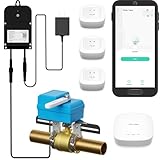
Overview: The YoLink DIY Kit offers a comprehensive, user-installable water protection solution at a fraction of premium brand prices. This complete package includes three wireless leak sensors, a smart valve controller, mechanical valve operator, and central hub. Designed for hands-on homeowners, it delivers professional-level protection without professional installation costs, covering multiple risk zones simultaneously.
What Makes It Stand Out: Device-to-Device (D2D) communication is revolutionary—sensors directly command the valve to close during power outages or internet failures, ensuring protection when you need it most. LoRa technology provides exceptional 1/4-mile range, eliminating connectivity issues in large properties or detached buildings. The inclusion of three sensors out-of-the-box covers more area than competitors. Customizable SMS, app, and email alerts with free monthly allowances keep you informed without subscription lock-in.
Value for Money: At $227.99, this kit delivers extraordinary value. You’re getting a complete multi-sensor system for less than half the cost of single-point Moen units. The DIY installation saves $200-300 in plumber fees. Each additional sensor adds five free monthly SMS alerts, making expansion cost-effective. Third-party integration with Alexa, Google, and Home Assistant adds value for smart home enthusiasts.
Strengths and Weaknesses: Strengths include D2D failover protection, exceptional wireless range, multi-sensor coverage, DIY installation, and no mandatory subscriptions. Integration capabilities are excellent. Weaknesses involve less sophisticated leak detection (no flow learning), potential compatibility issues with existing valve types, and plastic construction that may lack premium durability. Setup complexity may challenge non-technical users.
Bottom Line: The best value proposition for hands-on homeowners. If you’re comfortable with DIY installation and want comprehensive coverage without breaking the bank, YoLink outperforms pricier alternatives.
4. Moen Flo Smart Water Monitor and Automatic Shutoff Sensor, Wi-Fi Connected Water Leak Detector for 1-1/4-Inch Diameter Pipe, 900-002

Overview: Moen’s largest-capacity smart water monitor serves properties with 1-1/4-inch main lines, delivering the same intelligent protection scaled for maximum flow requirements. This commercial-grade solution monitors water parameters continuously, learning usage patterns to detect anomalies from tiny leaks to major failures. It’s designed for large homes, multi-unit properties, or small commercial buildings with substantial plumbing infrastructure.
What Makes It Stand Out: FloSense technology operates at scale, managing high-volume water systems with the same precision as smaller residential units. The system maintains sensitivity to detect minute flow irregularities despite larger pipe capacity. Its ability to distinguish legitimate high-flow activities (multiple showers, irrigation) from genuine emergencies prevents costly false shutdowns. The robust construction handles higher pressures and flow rates while providing identical multi-channel alerting and remote control capabilities.
Value for Money: At $799.98, this is the most expensive residential option. The premium solely reflects pipe size compatibility, not additional features. For properties requiring 1-1/4-inch capacity, alternatives are scarce. The investment is justified only if your plumbing demands this flow rate—most homes don’t. Calculate potential damage costs against the steep price; insurance discounts may help offset costs over several years. Professional installation is mandatory and costly.
Strengths and Weaknesses: Strengths include rare 1-1/4-inch compatibility, sophisticated learning algorithms, automatic emergency response, and comprehensive monitoring. The system scales Moen’s proven technology for larger applications. Weaknesses are the extreme price premium, limited applicability, high installation costs, and potential subscription requirements. Overkill for average homes with standard plumbing.
Bottom Line: Only purchase if your property genuinely requires 1-1/4-inch capacity. For standard homes, this is unnecessary overkill. Niche product for specific large-pipe applications where alternatives are limited.
5. iSpring LS43WL Smart Leak Shut-Off System, Automatic Water Leak Detector with 1 Wired & 1 Wireless Sensor, Whole-Home Water Damage Protection, 1" MNPT + 3/4" FNPT
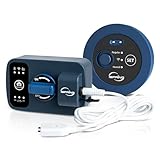
Overview: iSpring’s LS43WL provides essential water protection at an accessible price point, focusing on core functionality over advanced features. This dual-sensor system installs at your main water inlet, offering immediate leak response for whole-home coverage. The hybrid approach includes one wired and one wireless sensor, allowing flexible placement in high-risk areas like water heaters, washing machines, and under sinks.
What Makes It Stand Out: The 20-second shutoff response is impressively fast, minimizing potential damage. Dual-mode sensors adapt to humid environments, reducing false alarms in moisture-prone areas like basements. The dual-thread design (1" MNPT and 3/4" FNPT) ensures compatibility with common residential pipe sizes without adapters. DIY-friendly installation makes this accessible to homeowners uncomfortable with complex plumbing modifications.
Value for Money: At $156.98, this is the most budget-conscious smart shutoff available. It delivers fundamental protection—automatic water stoppage—without premium learning algorithms or app sophistication. For cost-sensitive buyers, it provides 80% of the protection at 30% of the price. No subscription fees and self-installation maximize savings. However, you’re trading advanced features for affordability.
Strengths and Weaknesses: Strengths include exceptional affordability, fast response time, dual-sensor flexibility, dual-thread compatibility, and straightforward DIY installation. The system covers essential needs without complexity. Weaknesses involve basic detection capabilities (no pattern learning), limited sensor range, less polished app experience, and only two sensors included. Lacks the nuanced intelligence of premium competitors.
Bottom Line: Perfect entry-level protection for budget-conscious homeowners or as a starter system. If you want automatic shutoff without the premium price tag, iSpring delivers reliable, no-frills performance.
6. Haozee WiFi Smart Water Valve and Auto Shut-Off, Automation Scene Works with Leak Detector, Water Flow Meter, Built-in Battery, for 3/4" Diameter DN20 Pipe
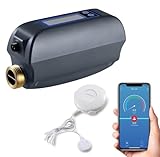
Overview:
The Haozee WiFi Smart Water Valve delivers intelligent water management for 3/4" pipes through ultrasonic flow measurement and remote app control. This $179.99 system integrates a smart valve, water meter, and leak detection into a single device, offering homeowners real-time consumption monitoring and automatic emergency shutoff. The built-in rechargeable battery ensures operation during power outages, while the included Tuya-compatible leak sensor enables immediate response to localized flooding. Designed for the tech-savvy homeowner, it provides detailed analytics and flow-based automation through a straightforward smartphone interface.
What Makes It Stand Out:
The W-type ultrasonic flow measurement technology distinguishes this from basic leak detectors by providing precise water usage data and enabling sophisticated flow-rate triggers. Users can set automatic valve closure when flow exceeds normal parameters, catching burst pipes faster than sensor-only systems. Dual-band WiFi support (2.4GHz and 5GHz) eliminates common connectivity frustrations, while the Tuya app integration allows scene creation with other smart devices. The system automatically closes the valve during abnormal flow events, offering proactive protection that responds to plumbing failures before water spreads.
Value for Money:
At $179.99, this valve punches above its weight class. Comparable ultrasonic flow meters alone often cost $150+, making the integrated valve and leak sensor a compelling bundle. The included sensor adds $25-30 in value, while flow-based automation provides protection superior to $100 basic shutoff valves. For homeowners wanting consumption analytics alongside leak protection, this mid-range price delivers premium features typically found in $250+ systems.
Strengths and Weaknesses:
Strengths include accurate ultrasonic flow monitoring, dual-band WiFi compatibility, 3-6 month battery backup, included leak sensor, and intelligent flow-based triggers. The system integrates seamlessly with Tuya’s broad ecosystem. Weaknesses include app dependency—battery mode disables remote control—and limited third-party smart home integration beyond Tuya. The 3/4" size restriction may not suit all plumbing, and some users report occasional app connectivity hiccups. The internal port diameter may slightly reduce flow rate.
Bottom Line:
The Haozee valve suits homeowners wanting data-driven water management beyond basic leak detection. Its flow monitoring and automatic shutoff capabilities provide excellent protection for the price, making it a smart choice for those comfortable with app-based control and Tuya’s ecosystem.
7. YoLink Smart Water Leak Protection System Kit: Bulldog Valve Robot, Smart Valve Controller 2, 3 Water Leak Sensors, Hub

Overview:
The YoLink Smart Water Leak Protection System Kit provides a complete water defense solution for $279.76, including the Bulldog Valve Robot, Smart Valve Controller 2, three leak sensors, and a hub. This system leverages proprietary LoRa technology to deliver exceptional range and reliability, operating independently of WiFi and internet connections. Designed for DIY installation without plumbing modifications, it offers set-and-forget protection that functions during power outages through device-to-device pairing. The kit protects homes up to 1/4 mile away from the hub, making it ideal for large properties and multi-building estates.
What Makes It Stand Out:
Control-D2D device-to-device pairing ensures the system works during internet and power failures—a critical advantage over WiFi-dependent competitors. The 923.3 MHz LoRa radio penetrates metal, concrete, and multiple floors where WiFi fails, while delivering extreme battery life. The hub’s plug-and-play router connection simplifies setup, and the 25 free monthly SMS alerts provide reliable notifications without smartphone dependency. This true offline capability transforms water protection from smart home convenience to emergency-ready infrastructure.
Value for Money:
This kit offers compelling value for reliability-focused buyers. The hub ($50+ value) and three sensors ($90-120 value) make the $279.76 price reasonable for the core components. While more expensive than basic WiFi valves, the ability to protect outbuildings and maintain operation during outages justifies the premium. For properties where WiFi coverage is spotty or power reliability is poor, this system delivers peace of mind that cheaper alternatives cannot match.
Strengths and Weaknesses:
Strengths include quarter-mile range, offline operation during outages, no WiFi network impact, superior obstruction penetration, easy DIY installation, and long battery life. The proprietary LoRa network avoids congested WiFi bands. Weaknesses include limited third-party smart home integration, higher cost than basic systems, and SMS alert caps (25 messages monthly with this configuration). The ecosystem lock-in may concern users wanting broader platform compatibility.
Bottom Line:
The YoLink kit excels for homeowners prioritizing reliability over flashy features. Its ability to protect during outages and cover large properties makes it worth the investment for flood-prone areas, remote buildings, or anyone wanting true emergency-grade protection without monthly fees.
8. E-SDS Water Leak Detector with Shutoff Valve,Sensors and Sounds Alarm,Automatic Water Leak Shut Off Valve System,for Pipes 3/4 NPT,Flood Prevention for Laundry,Water Heaters and More

Overview:
The E-SDS Water Leak Detector offers essential automatic shutoff protection for 3/4 NPT pipes at a budget-friendly $109.99. This no-frills system focuses on reliable leak prevention without smart connectivity, making it ideal for protecting specific appliances like water heaters and washing machines. The package includes a brass ball valve, control unit, and an impressive 19.68-foot sensor cable. With a 100°C temperature rating and manual controls, it provides practical flood prevention for residential and light commercial applications where simplicity and affordability trump advanced features.
What Makes It Stand Out:
The vacation mode feature allows manual water shutoff during extended absences—a thoughtful addition rarely found in budget systems. The 6-meter sensor cable provides exceptional placement flexibility, while the brass valve’s high temperature tolerance enables hot water line protection. Clear manual open/close buttons and a reset function make operation intuitive. This system prioritizes reliability over connectivity, offering immediate local response without dependency on apps, WiFi, or cloud services that can fail when needed most.
Value for Money:
At under $110, this represents outstanding value for targeted protection. While lacking remote monitoring, it delivers core automatic shutoff functionality comparable to systems costing twice as much. The long sensor cable and vacation mode add unexpected value at this price point. For homeowners wanting basic peace of mind without recurring fees or smartphone dependencies, it’s a cost-effective solution for protecting high-risk appliances in laundry rooms, basements, and utility closets.
Strengths and Weaknesses:
Strengths include affordability, simple installation, vacation mode, long sensor cable, 100°C temperature tolerance, manual override controls, and no subscription fees. The local alarm provides immediate audible alerts. Weaknesses include no smart connectivity, limited automation, basic functionality, and the noted smaller internal port size that may reduce flow rate. The system cannot send remote notifications or integrate with smart home platforms, limiting awareness when away from home.
Bottom Line:
The E-SDS valve is perfect for budget-conscious homeowners seeking reliable leak protection for specific appliances. While not a whole-home smart solution, its simplicity, affordability, and vacation mode make it an excellent entry-level option for protecting water heaters, laundry equipment, or vacation properties where basic automation suffices.
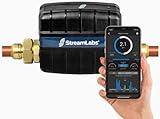
9. StreamLabs Control - Smart Water Leak Detector with Automatic Shut-Off Valve (1" FNPT)
Overview:
The StreamLabs Control positions itself as a premium smart water management solution with a professional-grade automatic shutoff valve for 1" FNPT pipes. At $1,090, this system targets high-value homes where insurance benefits can offset the substantial investment. It offers both WiFi and Bluetooth connectivity through the “Smart Alerts” app, allowing remote operation from anywhere. The 1" sizing accommodates larger residential plumbing systems, while the company emphasizes responsive customer support and quality assurance for this luxury-tier product.
What Makes It Stand Out:
The potential for up to 10% homeowners insurance reduction is the primary differentiator, potentially justifying the high cost for luxury properties over time. Dual WiFi and Bluetooth control provides backup connectivity options when one method fails. The professional build quality suggests durability for long-term deployment, while the 1" size serves homes with larger diameter plumbing that cheaper 3/4" valves cannot accommodate. The company’s 24-hour response promise targets buyers expecting white-glove service.
Value for Money:
This is a significant investment that only makes financial sense for specific scenarios. The $1,090 price tag is 5-10x more expensive than capable alternatives. Value emerges only if insurance savings are substantial or if protecting a high-value property where the cost is negligible relative to potential water damage. For average homes, the price is difficult to justify given feature parity with $200-300 systems that include flow monitoring and multiple sensors.
Strengths and Weaknesses:
Strengths include professional construction, potential insurance discounts, dual connectivity, 1" sizing for larger homes, and promised customer support. The system provides basic remote control functionality. Weaknesses include extreme cost, limited publicly available specifications, unclear feature advantages over cheaper competitors, and minimal marketing detail about flow monitoring capabilities. The value proposition hinges heavily on insurance negotiations rather than technical superiority.
Bottom Line:
The StreamLabs Control suits only premium properties where confirmed insurance savings justify the cost. For most homeowners, significantly cheaper alternatives provide comparable protection. Consider this only after verifying substantial insurance benefits and for homes where the 1" size and professional build are absolute necessities.
10. YoLink DIY Automatic Water Leak Detection & Shut-Off Starter Kit, Valve Operator, X3 Version Wireless Valve Controller, (4) Leak Sensors, Hub

Overview:
The YoLink DIY Starter Kit expands their water protection ecosystem with four leak sensors, an X3 wireless valve controller, valve operator, and hub for $359.99. This comprehensive package provides whole-home coverage while maintaining YoLink’s signature offline reliability through LoRa technology. The system scales from single-family homes to multi-unit buildings, offering industry-leading range and capacity. With support for 300+ devices per hub and quarter-mile wireless range, it’s designed for homeowners wanting expandable smart home infrastructure that prioritizes dependability over WiFi-dependent convenience.
What Makes It Stand Out:
Including four sensors provides more comprehensive coverage than typical three-sensor bundles, protecting multiple risk zones simultaneously. The X3 controller represents YoLink’s latest hardware, while Alexa and Google Assistant integration enables voice commands like “Alexa, turn off the valve.” The system’s ability to function during WiFi, internet, and power outages remains the standout feature, ensuring protection when it matters most. The scalable ecosystem allows expansion into security, lighting, and climate control without abandoning the core platform.
Value for Money:
At $360, this kit delivers strong value for whole-home protection. The four sensors alone would cost $120-160 separately, while the hub and valve controller add another $150+ in value. For homeowners planning to expand their smart home with YoLink’s ecosystem, this foundation kit becomes even more attractive. The premium over the basic kit is justified by the extra sensor and voice control capabilities, making it cost-effective for comprehensive coverage.
Strengths and Weaknesses:
Strengths include offline operation during outages, four sensors for better coverage, voice assistant integration, extreme range, scalability to 300+ devices, and no WiFi interference. The system works in buildings where WiFi fails. Weaknesses include higher cost than basic systems, proprietary ecosystem lock-in, and limited third-party integration beyond Alexa/Google. The SMS alert limitations from other YoLink kits likely apply here as well.
Bottom Line:
This YoLink kit is ideal for homeowners wanting comprehensive, reliable water protection that integrates with smart home systems. The extra sensor and voice control justify the price premium over the basic kit, making it an excellent choice for those prioritizing dependability, expansion potential, and whole-home coverage without monthly fees.
Why Water Leaks Are a Bigger Problem Than You Think
Water leaks waste nearly one trillion gallons annually across U.S. homes alone—enough to fill 40 million swimming pools. But the real cost extends far beyond your utility bill. Undetected leaks create perfect breeding grounds for mold, which can trigger respiratory issues and require professional remediation costing $15,000 or more. Structural damage to foundations, framing, and insulation compounds silently until small problems become structural nightmares. The EPA estimates that fixing easily corrected household water leaks can save homeowners about 10% on their water bills, but that figure skyrockets when you factor in prevented damage.
What makes leaks particularly insidious is their timing. They rarely announce themselves during convenient hours. A supply line to your washing machine might burst at 2 AM while you’re on vacation. Your water heater could fail during a holiday weekend. Smart auto shut-off systems operate 24/7, responding in real-time when you’re not there to intervene.
What Are Smart Water-Leak Sensors with Auto Shut-Off?
These aren’t your grandmother’s moisture detectors. Smart water-leak sensors with auto shut-off represent a complete ecosystem of protection. At their core, they combine three elements: detection sensors placed at leak-prone locations, a central control unit that processes data, and an automatic shut-off valve installed on your main water line. When sensors detect moisture or the system identifies abnormal flow patterns, it triggers the valve to close—stopping water at the source.
The “smart” designation means connectivity. These systems communicate via Wi-Fi, Z-Wave, or proprietary mesh networks, sending instant alerts to your smartphone and integrating with broader home automation platforms. Advanced models use artificial intelligence to learn your household’s water usage patterns, distinguishing between normal activities like showering and anomalies like a continuously running toilet.
How These Systems Work: The Technology Behind the Protection
Flow-Based Detection vs. Point-of-Leak Sensors
Systems typically employ one of two primary detection methods—or a hybrid approach. Flow-based monitors track water movement through your main line using ultrasonic or turbine technology. They measure flow rate, duration, and pressure, creating a behavioral profile of your home’s water consumption. When flow exceeds normal parameters—like a toilet running for three hours or a burst pipe gushing 15 gallons per minute—the system triggers shutdown.
Point-of-leak sensors, conversely, are physical discs or pads placed in high-risk areas: under sinks, near water heaters, behind washing machines. These contain electrodes that complete a circuit when water bridges them, sending an immediate signal to the control unit. Hybrid systems use both: flow monitoring for whole-house protection and point sensors for rapid response in critical zones.
The Auto Shut-Off Valve Mechanism
The shut-off valve itself is typically a motorized ball valve installed on your main water supply line. When triggered, an electric motor rotates the ball 90 degrees, stopping flow in 5-10 seconds. Quality valves are constructed from lead-free brass with stainless steel components, rated for over 100,000 cycles—meaning they’ll outlast your home’s plumbing fixtures.
Advanced systems incorporate manual override capabilities, allowing you to restore water flow via the app or physical lever once the issue is resolved. Some even feature partial shut-off modes, reducing pressure rather than stopping flow completely for minor anomalies.
Key Benefits Beyond Just Leak Detection
Insurance Premium Reductions
Most major insurers now offer discounts of 5-15% on homeowners premiums for installing certified auto shut-off systems. Some carriers require specific features like UL certification or professional installation, while others accept DIY setups. The savings often cover the system’s cost within 2-3 years, effectively making the protection free.
Energy Conservation Through Hot Water Protection
A leaking hot water line doesn’t just waste water—it wastes energy. Your water heater works overtime to heat water that’s pouring down a drain. A single small hot water leak can increase your energy bill by $20-30 monthly. Auto shut-off systems preserve both resources, making them dual-purpose efficiency devices.
Vacation Home and Rental Property Management
For property owners managing multiple locations, these systems provide remote peace of mind. Receive alerts, shut off water for vacant periods, and grant temporary access to plumbers or tenants—all from your phone. Some platforms even generate water usage reports, helping identify inefficiencies across your portfolio.
Increased Property Value
Smart home features increasingly influence purchase decisions. A permanently installed leak protection system adds tangible value, often recouping 50-75% of its cost at resale. It signals to buyers that the property has been proactively maintained.
Types of Water-Leak Detection Systems
Whole-House Systems with Main Line Shut-Off
These comprehensive solutions install directly on your main water line, protecting every fixture and appliance simultaneously. They’re ideal for complete peace of mind but require plumbing modifications. Expect professional installation costs of $300-500 plus the hardware price.
Appliance-Specific Systems
Targeted solutions connect to individual appliances like washing machines, dishwashers, or ice makers. These typically use a simple Y-connector with an integrated valve and sensor, costing $50-150. While less comprehensive, they’re perfect for renters or budget-conscious homeowners focusing on highest-risk areas.
Under-Sink and Point-of-Use Detectors
Compact battery-powered sensors fit in tight spaces under sinks or near toilets. Most lack auto shut-off capabilities, simply alerting your phone. However, premium models can connect to a central hub that controls a localized valve, offering zone-specific protection without whole-house installation complexity.
Critical Features to Look for When Buying
Flow Rate Sensitivity and Customization
The best systems let you adjust sensitivity thresholds. A household with teenagers taking long showers needs different parameters than a single retiree. Look for systems that measure flow in increments of 0.1 gallons per minute and allow custom time thresholds—like alerting after 20 minutes of continuous flow but shutting off at 2 hours.
Sensor Network Expandability
Start with a basic kit but ensure you can add sensors later. Quality systems support 20-30 wireless sensors on a single hub, with 200+ foot range. Check if additional sensors are reasonably priced ($20-40 each) and whether the system supports both moisture and temperature sensors for freeze detection.
Battery Life and Power Backup
Sensors should last 2-3 years on coin cell batteries. The main unit needs battery backup or capacitors that keep it operational during outages—when frozen pipes are most likely to burst. Verify the shut-off valve includes a manual override that works without electricity.
Connectivity and App Quality
A sleek app makes daily interaction painless. Look for features like usage history graphs, customizable alerts, multiple user access, and geofencing. The system should continue functioning locally if Wi-Fi drops, queuing alerts until connection restores.
Freeze Detection Capabilities
Temperature sensors are invaluable in unheated basements, crawl spaces, or vacation homes. Some systems automatically shut off water when temperatures drop to 35°F, preventing frozen pipe bursts before they start.
Installation Considerations: DIY vs Professional
Assessing Your Plumbing Compatibility
Before purchasing, identify your main water line material and size. Most systems support 3/4" and 1" copper, PEX, and CPVC pipes. Galvanized steel or larger commercial lines may require adapters or different valves. Check whether your pipes have adequate straight runs (6-8 inches) on either side of the installation point for the shut-off valve.
DIY Installation Feasibility
If you’re comfortable sweating copper pipes or using SharkBite push-to-connect fittings, DIY installation is achievable in 2-4 hours. Most kits include detailed instructions and mounting templates. The electrical connection is typically low-voltage and plugs into a standard outlet. However, any mistake on your main water line can cause catastrophic flooding—honestly assess your skills.
When to Hire a Professional
Professional installation guarantees proper placement, pressure testing, and code compliance. Plumbers charge $300-500 for standard installations, more if they need to modify pipe configurations. The investment is worthwhile for complex plumbing, older homes with brittle pipes, or if you want warranty coverage that requires certified installation.
Integration with Smart Home Ecosystems
Native Platform Support
The best systems offer native integration with major platforms: Amazon Alexa, Google Home, Apple HomeKit, Samsung SmartThings, and IFTTT. This allows voice commands like “Alexa, shut off the main water” and enables complex automations—like shutting off water when your security system is armed in “Away” mode.
API Access for Advanced Users
For tech-savvy homeowners, API access unlocks custom integrations. Create scripts that correlate water usage with irrigation schedules, or build dashboards that display real-time flow data alongside energy consumption. Open APIs indicate a manufacturer committed to interoperability.
Interoperability with Security Systems
Many modern systems connect directly to security panels, treating water leaks as critically as break-ins. When a leak is detected, the system can flash lights, sound sirens, and notify monitoring centers. This unified approach ensures you never miss an alert.
Understanding False Alarms and How to Prevent Them
Common False Alarm Triggers
Filling a swimming pool, running an irrigation system, or having guests who take back-to-back showers can trigger overly sensitive systems. Pressure fluctuations from municipal supply changes may also cause false positives in flow-based systems.
Machine Learning and Pattern Recognition
Premium systems use AI to distinguish between legitimate threats and normal anomalies. They learn that your sprinkler system runs 6-8 AM on Tuesdays, or that your teenager’s 45-minute showers, while excessive, aren’t emergencies. This intelligence reduces false alarms to less than one per year.
Manual Override and “Learning Mode”
During unusual water usage events, activate “Away” or “Sleep” modes that adjust thresholds. Some systems feature a simple button press that temporarily desensitizes the system for 2-4 hours—perfect for housecleaning days or when hosting large gatherings.
Maintenance and Testing Best Practices
Monthly Testing Protocols
Test your system monthly by simulating a leak. Place a wet finger across sensor contacts or use the app’s test function to verify valve operation. The entire process takes two minutes but ensures reliability. Document tests in a home maintenance log.
Annual Valve Exercising
Ball valves can seize if left stationary for years. Manually cycle the valve quarterly by closing and reopening it via the app. This prevents mineral buildup and ensures smooth operation during an actual emergency. Some premium systems automate this exercise.
Sensor Battery Management
Replace all sensor batteries annually, even if they report 50% capacity. Use high-quality lithium coin cells rather than alkaline for better temperature performance and longevity. Keep a few spares in your toolbox for immediate replacement when low-battery alerts arrive.
Cost Analysis: Investment vs Potential Savings
Initial Investment Breakdown
Whole-house systems range from $400 for basic models to $1,200 for premium units with cellular backup and advanced AI. Add $300-500 for professional installation. Point-of-use systems cost $50-150 per appliance. A comprehensive whole-house setup with 10 sensors typically totals $800-1,500.
Quantifying Potential Savings
The average water damage claim is $10,234. Preventing one incident pays for the system. Add 10% annual water bill savings ($60-180 for average households), potential insurance discounts ($50-150 yearly), and avoided mold remediation ($2,000-6,000). The ROI becomes compelling within 18-36 months.
Long-Term Value Proposition
Consider the system as a 20-year investment. Over two decades, it prevents an estimated 1-2 major incidents, saves $1,200-3,600 in water bills, and provides $1,000-3,000 in insurance discounts. Total value: $14,000-26,000 on a $1,000 investment—a 1,400% return.
Insurance Implications and Discounts
Carrier-Specific Requirements
State Farm, Allstate, and USAA offer the most substantial discounts (up to 15%) but often require UL 634 certification or professional installation. Liberty Mutual and Farmers provide 5-10% discounts for DIY systems. Always notify your agent before installation to ensure compliance with their specific program.
Documentation for Claims
If a leak occurs despite your system, thorough documentation strengthens insurance claims. Export system logs showing when the leak started, flow rates, and response times. Photos of sensor placement and installation receipts prove due diligence, often leading to faster, fuller claim approvals.
Policy Exclusions to Understand
Most policies exclude “gradual damage” that occurs over weeks or months. Smart systems with usage logging demonstrate that leaks were sudden and unforeseeable, countering insurer arguments about homeowner negligence. This data can be the difference between a covered claim and a denied one.
Environmental Impact: Water Conservation Metrics
Calculating Your Conservation Contribution
A running toilet wastes 200 gallons daily. A 1/8-inch pipe crack loses 250 gallons per hour. By stopping these leaks within minutes rather than days, a single system can save 50,000-100,000 gallons annually. That’s equivalent to a year’s worth of drinking water for 300-600 people.
Energy-Water Nexus Savings
Water heating accounts for 18% of home energy use. When hot water leaks are stopped quickly, you preserve both resources. A study by the California Water Resources Control Board found that leak detection systems reduced household energy consumption by 3-5% through hot water conservation alone.
Municipal Infrastructure Relief
Your leak doesn’t just affect your home—it strains municipal treatment facilities and distribution systems. Widespread adoption could reduce city-wide water demand by 5-10%, delaying expensive infrastructure upgrades and reducing the carbon footprint of water treatment.
Common Installation Locations and Strategies
High-Risk Zone Prioritization
Focus on areas where supply lines connect to appliances: washing machine hoses (20% of all leaks), refrigerator ice makers, dishwasher supply lines, and water heaters. These locations experience pressure spikes and temperature fluctuations that accelerate wear.
Whole-House vs. Zoned Approaches
For budget-conscious homeowners, start with a zoned strategy: install point-of-use sensors and shut-offs at the three highest-risk appliances. As budget allows, add a main line system. This phased approach provides immediate protection where it matters most.
Crawl Spaces and Attics
Don’t forget hidden areas. A burst pipe in a crawl space can leak for weeks before detection. Place sensors near plumbing penetrations and insulate them with foam covers to prevent condensation from triggering false alarms. Use sensors with external probes for hard-to-reach areas.
Troubleshooting Common Issues
Connectivity Dropouts
If sensors frequently go offline, check for interference from metal pipes or appliances acting as Faraday cages. Relocate the hub or add a Wi-Fi extender. Some systems allow sensors to act as mesh repeaters, strengthening the network.
Valve Not Closing Completely
Mineral deposits can prevent full closure. Manually cycle the valve several times to clear debris. If problems persist, remove the valve and soak it in descaling solution. Install a sediment filter upstream to prevent future buildup.
Inaccurate Flow Readings
Air bubbles in the line can cause erratic readings. Bleed the system by running all faucets simultaneously for 5 minutes. Ensure the flow meter is installed with proper straight pipe runs (10 pipe diameters upstream, 5 downstream) as turbulence affects accuracy.
Frequently Asked Questions
How much water can a small leak actually waste?
A faucet dripping once per second wastes 3,000 gallons per year. A silent toilet leak can waste 200 gallons daily. Even pinhole leaks in pipes lose 10-15 gallons per hour. Over a month, that’s enough to fill a swimming pool, costing hundreds in water bills and potentially thousands in damage.
Will these systems work during a power outage?
Most quality systems include battery backup lasting 12-24 hours. The shut-off valve itself requires power to close but stays closed without electricity. During outages, the system continues monitoring using backup power and will shut off water if a leak is detected, though you can’t remotely reopen it until power returns.
Can I install a shut-off valve system on any type of plumbing?
Standard systems support copper, PEX, and CPVC pipes from 1/2" to 1-1/4". Galvanized steel, lead, or polybutylene pipes may require professional adapters or complete pipe section replacement. Always verify compatibility with your specific pipe material and diameter before purchasing.
What’s the difference between leak sensors and flow monitors?
Leak sensors are physical devices that detect moisture where they’re placed—under sinks, near appliances. Flow monitors measure water movement through your main line, detecting abnormalities anywhere in the system. The best protection uses both: flow monitors for whole-house coverage and sensors for rapid response in high-risk spots.
How often do these systems produce false alarms?
With proper setup, premium systems generate fewer than one false alarm annually. Basic systems may trigger 3-5 times per year during unusual usage. Machine learning systems reduce false alarms by 90% after their 30-day learning period. Proper sensor placement and customized thresholds eliminate most nuisance alerts.
Are smart water leak detectors worth it for renters?
Renters should focus on point-of-use systems that install on appliance supply lines without modifying main plumbing. These $50-150 solutions protect your belongings and provide documentation for landlord disputes. Some renters insurance policies offer small discounts, and you can take the system when you move.
Do these systems require a monthly subscription?
Basic alerting and auto shut-off functions work without subscriptions. However, advanced features like cellular backup, professional monitoring, detailed analytics, and extended data history typically cost $5-15 monthly. Some insurers require subscription-based monitoring to qualify for discounts.
Can they detect leaks behind walls or under slabs?
Flow-based systems detect these leaks indirectly by identifying unexplained water usage. They can’t pinpoint the exact location but alert you to shut off water immediately. For location detection, you’ll need acoustic leak detection equipment or thermal imaging cameras, which some premium systems now integrate with.
What happens if my Wi-Fi goes down?
Systems continue monitoring and will shut off water during leaks using local processing. Alerts queue locally and transmit once Wi-Fi restores. For critical properties, choose systems with cellular backup ($10-15/month) that maintain full remote functionality during internet outages.
How long do these systems typically last?
The shut-off valve mechanism is rated for 100,000+ cycles, translating to 20+ years of normal use. Sensors last 5-10 years before battery contacts corrode or internal components degrade. Control units typically function for 7-10 years before technology obsolescence prompts replacement. Annual maintenance significantly extends lifespan.