Living in an apartment means sharing walls, floors, and ceilings with neighbors whose lives inevitably intersect with yours. While community living has its perks, unwanted noise remains the single biggest source of conflict in multi-unit housing. Whether it’s the late-night bass from next door, early morning footsteps from above, or mysterious thumping that seems to come from everywhere and nowhere, sound issues can transform your sanctuary into a source of chronic stress. The difference between resolving these disputes and letting them fester often comes down to one crucial element: objective data.
Noise monitoring isn’t about being a surveillance-obsessed neighbor—it’s about empowering yourself with evidence-based insights to protect your peace of mind and your rights as a tenant. This comprehensive guide walks you through everything you need to know about sound monitoring in apartment settings, from understanding decibel levels to building an ironclad documentation case that landlords and property managers can’t ignore.
Top 10 Sound Monitoring for Apartments
Detailed Product Reviews
1. Minut - Noise, Occupancy, Motion and Temperature Monitoring for Vacation Rentals (Airbnb, VRBO & Serviced Apartments)
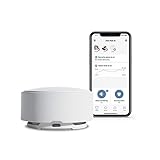
Overview: The Minut device is a comprehensive monitoring solution designed specifically for vacation rental hosts managing properties on platforms like Airbnb and VRBO. This ceiling-mounted unit tracks noise levels, occupancy, temperature, motion, humidity, and even mold risk without compromising guest privacy. At $249.37, it positions itself as a premium alternative to invasive security cameras and multiple single-purpose sensors.
What Makes It Stand Out: Unlike traditional security systems, Minut operates 100% camera-free, making it ideal for maintaining guest trust while protecting your property. The device intelligently recognizes other alarm sounds like smoke or CO detectors and can detect tampering attempts. Instant notifications keep hosts informed in real-time, while historical data helps identify patterns and resolve disputes with evidence-based insights.
Value for Money: While the upfront cost is significant, it replaces several devices that could cost $300-400 combined. More importantly, it helps avoid costly neighbor complaints, property damage, and party-related incidents that could jeopardize your rental license. The self-installation design eliminates professional setup fees, and the privacy-safe approach prevents potential legal issues with surveillance laws.
Strengths and Weaknesses: Strengths include comprehensive multi-sensor monitoring, true privacy protection, easy DIY installation, and intelligent alarm recognition. The mobile app provides intuitive controls and valuable analytics. Weaknesses are the premium price point, potential Wi-Fi dependency issues, and the lack of visual verification which some hosts may prefer despite privacy concerns.
Bottom Line: For serious vacation rental hosts, the Minut is a worthwhile investment that balances property protection with guest privacy. It provides peace of mind through intelligent monitoring without the legal and ethical complications of cameras.
2. Decibel Meter 13 inches 30~130dB Sound Level Meter, Large LCD Display Wall Hanging Sound Gauge, Noise Level Detector, Decibel Monitoring Device, Time, Temperature, Humidity for Studio Classroom Home

Overview: This 13-inch wall-mounted decibel meter delivers professional-grade sound monitoring for classrooms, studios, offices, and homes at a consumer-friendly price. Priced at $47.90, it measures sound levels from 30-130dB while also tracking temperature and humidity on its large, bright LED display. The device serves as both a monitoring tool and an educational display for maintaining healthy noise levels.
What Makes It Stand Out: The massive 13-inch screen with adjustable brightness ensures visibility across large rooms, making it superior to handheld meters for continuous monitoring. Color-coded indicators (green/yellow/red) provide instant visual feedback about safe versus dangerous noise levels. The alarm function can be customized or disabled, offering flexibility for different environments from quiet libraries to active workshops.
Value for Money: Professional decibel meters often cost $100-200, making this under-$50 unit exceptional value. It functions as three devices in one: sound meter, thermometer, and hygrometer. The durable wall-mounting design eliminates the need for constant handling, while the desktop option adds versatility. For teachers, studio engineers, or workplace safety officers, it pays for itself quickly through improved environment management.
Strengths and Weaknesses: Strengths include the large, clear display, accurate high-precision sensor (+/-1dB), multifunctional monitoring, and user-friendly settings for temperature units and response time. Weaknesses include the lack of data logging or smart connectivity, wall-hanging requirement that may limit placement, and the basic alarm that might not be loud enough in noisy environments.
Bottom Line: This decibel meter excels as a visual noise management tool for communal spaces. It’s an affordable, effective solution for anyone needing constant sound level awareness without complex features.
3. TechRise Door and Window Alarm,Door Alarms for Kids Safety,Easy-to-Install Door Sensor,3-Level Volume Adjustment, Suitable for Doors,Windows,Drawers,Garages,Apartment and Home Safety

Overview: The TechRise Door and Window Alarm offers an ultra-affordable entry-level security solution at just $16.99. This compact magnetic sensor triggers a 100dB alarm when doors or windows open unexpectedly, serving as both an intrusion alert and a safety device for families with children or elderly relatives. Its simple adhesive installation makes it accessible for renters and homeowners alike.
What Makes It Stand Out: The dual-mode functionality sets it apart—switch between a loud alarm for security or a gentle chime for entry notifications. Three volume levels (low, medium, high) provide customization rarely seen in budget alarms. The instant response time (triggering at just 0.78 inches of separation) ensures reliable protection, while the LED indicator offers visual confirmation of activation.
Value for Money: At under $17, this is one of the most cost-effective security devices available. A two-pack of similar alarms typically costs $25-30, making this single unit remarkably priced. It requires no subscription fees, wiring, or professional installation. For apartment dwellers, travelers, or parents seeking basic safety measures, it delivers essential protection without financial strain.
Strengths and Weaknesses: Strengths include the incredibly low price, versatile 2-in-1 modes, easy peel-and-stick installation, and portability for travel. The 100dB alarm is sufficiently loud for most applications. Weaknesses include reliance on adhesive that may weaken over time, limited smart features or connectivity, and battery dependency that requires periodic maintenance. The basic design lacks advanced sensors for tampering.
Bottom Line: This TechRise alarm is perfect for those seeking simple, effective door and window monitoring on a tight budget. It provides reliable basic security and safety alerts without unnecessary complexity.
4. 2-Pack Carbon Monoxide Detectors, 4-in-1 Natural Gas Detector & Carbon Monoxide Detector Plug in with Temperature & Humidity Sensor, HD Digital Display, Sound & Light Alarm for Home, RV, Apartment

Overview: This 4-in-1 detector pack provides comprehensive home safety monitoring by detecting carbon monoxide, natural gas, temperature, and humidity. At $55.99 for two units, it offers whole-home protection with plug-and-play convenience. The HD digital display provides real-time readings of all monitored parameters, making it easy to track indoor air quality at a glance and respond proactively to environmental changes.
What Makes It Stand Out: The dual alarm system combines an 85dB siren with flashing lights for immediate threat notification. The unique silent mode allows temporary muting during cooking without disabling monitoring—a thoughtful feature missing in many detectors. Each unit tracks four environmental factors simultaneously, eliminating the need for separate devices and providing a complete safety picture for comprehensive protection.
Value for Money: Two dedicated CO detectors typically cost $40-60, while adding natural gas detection would increase costs significantly. Getting two 4-in-1 units for $56 represents excellent value, especially considering the temperature and humidity monitoring bonuses. The plug-in design saves installation costs, and the portable nature allows moving units as needed between rooms.
Strengths and Weaknesses: Strengths include comprehensive 4-in-1 monitoring, dual alarm system, convenient silent mode, clear HD display, and versatile placement options. The 100-240V compatibility works internationally. Weaknesses include potential false alarms from cooking fumes, plug-in design that limits placement to outlet locations, and lack of smart home integration or remote notifications.
Bottom Line: This 2-pack delivers outstanding value for families wanting robust, multi-threat detection without complex installation. The silent mode and comprehensive monitoring make it a practical choice for everyday home safety.
5. Koabbit Carbon Monoxide Detector - Plug in CO Level Monitor Alarm with Digital Display Sound & Light Warning for Home/Apartments/Hotel,Accurate & Easy to Install (White)

Overview: The Koabbit Carbon Monoxide Detector is a streamlined, plug-in safety device that prioritizes simplicity and reliability. At $22.94, it provides essential CO monitoring with an imported electrochemical sensor for accurate readings. The LED digital display shows real-time CO levels, while the 85dB alarm provides clear warning when dangerous concentrations are detected.
What Makes It Stand Out: This detector focuses on doing one thing exceptionally well: detecting carbon monoxide. The upgraded electrochemical sensor minimizes false alarms while improving response time—a critical feature for a life-safety device. The plug-and-play operation requires no setup, wiring, or battery changes, making it ideal for those who want hassle-free protection.
Value for Money: Basic CO detectors typically range from $15-30, placing this unit competitively. The inclusion of a digital display at this price point adds value, allowing users to monitor low-level CO presence before it becomes dangerous. For landlords, hotel operators, or homeowners needing multiple units, the affordable price enables comprehensive coverage without excessive expense.
Strengths and Weaknesses: Strengths include reliable electrochemical sensor, easy plug-in installation, clear digital display, loud 85dB alarm, and wide placement versatility across various rooms. The simple operation requires no technical knowledge. Weaknesses include single-function limitation (no smoke or gas detection), lack of smart features or connectivity, and plug-in design that may not suit all locations. There’s no backup battery mentioned.
Bottom Line: For straightforward, dependable carbon monoxide detection, the Koabbit delivers essential protection at an accessible price. It’s an excellent choice for anyone needing reliable CO monitoring without advanced features.
6. Portable Carbon Monoxide Detector 8-in-1, Carbon Monoxide Detectors Plug-in with HD Screen Natural Gas/Temp/Humidity, CO Monitor Alarm Sound Warning for Travel, Home, RV, Apartment Safety

###6. Portable Carbon Monoxide Detector 8-in-1, Carbon Monoxide Detectors Plug-in with HD Screen Natural Gas/Temp/Humidity, CO Monitor Alarm Sound Warning for Travel, Home, RV, Apartment Safety
Overview: The Portable Carbon Monoxide Detector offers 8-in-1 monitoring capabilities in a compact plug-in design. This versatile safety device tracks carbon monoxide levels, natural gas concentration, temperature, and humidity simultaneously. At just palm-sized, it provides comprehensive air quality assessment for homes, RVs, apartments, and travel accommodations. The HD screen displays real-time readings while the dual-sensor system ensures rapid response to potential threats, making it an all-in-one solution for safety-conscious users seeking portable protection.
What Makes It Stand Out: This detector’s multi-functionality at an entry-level price point is remarkable. The integration of eight features—including dual sensors for CO and natural gas with separate alarm thresholds—provides layered protection rarely found in budget devices. Its true portability allows you to plug it into any outlet while traveling, offering peace of mind in unfamiliar environments like hotel rooms or rental properties. The audio-visual alarm system combines an 85-decibel siren with color-changing indicators, ensuring alerts are noticed even by those with hearing difficulties.
Value for Money: At $16.99, this represents exceptional value compared to purchasing separate CO and natural gas detectors. Most single-function units cost $15-25 each, making this 8-in-1 device a budget-friendly champion. While professional-grade detectors with similar multi-gas capabilities often exceed $100, this affordable alternative sacrifices some premium features but delivers core functionality that meets essential safety needs for renters and travelers.
Strengths and Weaknesses: Strengths include comprehensive monitoring, compact portability, loud audio-visual alarms, and immediate plug-and-play operation. The large LCD screen offers excellent visibility of all metrics. Weaknesses involve the lack of battery backup during power outages, potential accuracy trade-offs compared to dedicated single-function detectors, and limited brand recognition which may affect long-term reliability assessments. The device requires an outlet, restricting placement options.
Bottom Line: This detector is ideal for budget-conscious renters, travelers, and RV owners needing multi-threat detection without permanent installation. While it may not replace hardwired systems in primary residences, its portability and comprehensive monitoring make it an excellent secondary safety measure or primary protection for mobile lifestyles.
7. TMEZON Wired Video Intercom System, 7 Inches Video Doorbell Camera with Monitor, Wired Video Door Phone HD Camera Kits Support Unlock, Monitoring, Dual-Way Intercom for Villa Home Office Apartment

Overview: The TMEZON Wired Video Intercom System provides reliable visual communication and access control for residential and commercial properties. Featuring a 7-inch color LCD indoor monitor with intuitive touch buttons and a weatherproof outdoor camera with 115-degree wide-angle view, this system enables you to see, speak with, and grant entry to visitors without compromising security. The night vision capability ensures 24/7 monitoring regardless of lighting conditions, while the wired connection eliminates concerns about Wi-Fi interference or hacking.
What Makes It Stand Out: This system’s 4-wire installation simplifies what traditionally required complex wiring, making it accessible for DIY enthusiasts. The inclusion of 16 customizable doorbell chimes adds personalization rarely seen in this category. Its ability to support distances up to 200 meters using standard Cat5/Cat6 cable provides flexibility for larger properties. The rain cover and anti-vandal design demonstrate thoughtful engineering for long-term outdoor durability, while the electric lock-control function transforms it into a complete access control solution.
Value for Money: At $79.99, this intercom delivers strong value compared to wireless alternatives that often require monthly subscription fees. Wired systems typically offer superior reliability and video quality without ongoing costs. While installation requires more effort than wireless options, the one-time investment avoids the $3-10 monthly fees common with cloud-based doorbells, paying for itself within a year while providing professional-grade features.
Strengths and Weaknesses: Strengths include stable wired connectivity, excellent night vision, weatherproof construction, no subscription fees, and flexible wiring options. The 7-inch screen provides superior visibility compared to smartphone-only viewing. Weaknesses include the need for physical installation, absence of included extension wires, potential noise issues if units are positioned too close during testing, and lack of remote smartphone access that modern users expect. The 4-wire requirement may challenge those unfamiliar with low-voltage wiring.
Bottom Line: Perfect for homeowners seeking a reliable, subscription-free video intercom with permanent installation. The TMEZON system excels in stability and video quality, making it ideal for villas, offices, and apartments where consistent performance trumps wireless convenience. Tech-savvy users comfortable with basic wiring will appreciate its professional features without recurring costs.
8. AMOCAM Wired Video Intercom System, 7 Inches Video Doorbell Door Phone System, HD Camera Kits Support Unlock, Monitoring, Dual-Way Intercom for Villa Home Office Apartment
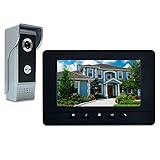
Overview: The AMOCAM Wired Video Intercom System offers a robust security solution combining a 7-inch indoor monitor with a durable outdoor camera for comprehensive property monitoring. This system enables visual verification and two-way communication with visitors while providing secure electric lock control from inside your home. Designed for villas, offices, and apartments, the aluminum and acrylic front panel protects against vandalism while IP-rated waterproofing ensures reliable operation in harsh weather conditions. The 92-degree viewing angle captures sufficient detail for visitor identification.
What Makes It Stand Out: The outdoor unit’s exceptional build quality distinguishes this system from competitors, featuring a vandal-resistant aluminum housing that withstands tampering attempts. Its compatibility with various lock types—including electronic, strike, bolt, and magnetic locks—provides installation flexibility for different security setups. The system maintains the popular 7-inch display and 16-chime customization found in premium models while emphasizing durability. The infrared night vision delivers clear images up to several meters, ensuring reliable identification regardless of time or weather.
Value for Money: Priced at $81.99, this system commands a slight premium over similar wired intercoms. The additional cost is justified by superior construction materials and broader lock compatibility. While TMEZON offers comparable features for less, AMOCAM’s enhanced durability appeals to users prioritizing longevity. The absence of subscription fees maintains its cost advantage over wireless alternatives, with the investment paying dividends through years of reliable, maintenance-free operation.
Strengths and Weaknesses: Strengths include rugged vandal-proof design, versatile lock compatibility, clear night vision, adjustable audio/visual settings, and stable wired performance. The surface-mount installation is straightforward for those comfortable with basic wiring. Weaknesses include the highest price among similar 4-wire systems, lack of included extension cables, no smartphone connectivity, and installation complexity that may require professional help. The 92-degree viewing angle is slightly narrower than some competitors, potentially missing peripheral activity.
Bottom Line: This system suits property owners needing maximum durability and lock compatibility in a wired intercom. The AMOCAM excels in harsh environments or high-traffic areas where vandal resistance is crucial. While priced higher than alternatives, its build quality justifies the investment for permanent installations requiring long-term reliability over cutting-edge smart features.
9. 8-in-1 Natural Gas Leak Detector & Carbon Monoxide Detectors - Monitor CO, Natural Gas, Temperature & Humidity HD Screen with Gas & CO Monitor Alarm Sound Warning for Home, RV, Apartment Safety (2)

Overview: This 8-in-1 Natural Gas Leak Detector and Carbon Monoxide Monitor provides comprehensive air quality surveillance in a dual-pack configuration. Each unit simultaneously tracks CO levels (0-1000 PPM), natural gas concentration (0-10% LEL), temperature, and humidity on a large HD screen. The system employs dual sensors with rapid response technology to detect threats before they become dangerous. Designed for plug-in operation across 110V-220V circuits, these detectors offer whole-home coverage for houses, RVs, and apartments, ensuring multiple rooms are protected simultaneously.
What Makes It Stand Out: The dual-pack offering provides immediate value for multi-room protection, eliminating the need to purchase separate units. Its universal voltage compatibility (110V-220V) makes it suitable for international travelers and diverse property types. The remarkably low standby power consumption (≤2W) ensures continuous monitoring without significantly impacting electricity bills. The combination of professional-grade sensor accuracy with consumer-friendly portability creates a versatile solution that transitions seamlessly from primary residence to vacation home.
Value for Money: At $49.99 for two units, this package delivers excellent value at approximately $25 per detector. While more expensive per unit than the single 8-in-1 detector, the dual-pack ensures comprehensive coverage without purchasing additional devices. Professional multi-gas detectors often exceed $150 each, making this consumer-grade alternative economically attractive for families needing multiple detection points. The energy efficiency and durable sensors reduce long-term replacement costs.
Strengths and Weaknesses: Strengths include dual-unit packaging, wide voltage compatibility, low power consumption, comprehensive 8-in-1 monitoring, and loud 85dB alarms with visual indicators. The portable design allows repositioning as needed. Weaknesses include lack of battery backup during outages, dependence on outlet placement, potential accuracy variations compared to industrial-grade units, and the “jack of all trades” limitation where specialized detectors might outperform individual functions. The brand recognition may concern some buyers.
Bottom Line: This dual-pack is perfect for homeowners wanting comprehensive coverage across multiple rooms without professional installation costs. Ideal for families, RV enthusiasts, and property managers, it balances functionality with economy. While not replacing hardwired systems, it provides reliable supplemental protection for diverse living spaces.
10. AC-Plug-in Carbon Monoxide Detector, WESHLGD Carbon Monoxide Meter Battery Backup, CO Alarm Monitor with LCD Display and Sound Warning for Home/Apartment/Hotel - 2 Pack

Overview: The WESHLGD AC-Plug-in Carbon Monoxide Detector provides essential CO monitoring with critical battery backup functionality in a convenient two-pack configuration. These UL2034-certified units offer reliable protection against the “silent killer” through continuous monitoring and immediate alerts. The plug-and-play design enables instant deployment in any outlet, while the included extension cords allow flexible placement on tables or shelves. The LCD display provides real-time CO readings, ensuring users can assess conditions at a glance and respond to rising levels before alarms trigger.
What Makes It Stand Out: The battery backup feature distinguishes this from basic plug-in detectors, providing continued protection during power outages when heating systems (common CO sources) may malfunction. UL2034 certification offers verified safety assurance that many budget competitors lack. The 85-decibel alarm exceeds minimum standards, ensuring alerts penetrate sleeping areas. The two-pack configuration with extension cords delivers immediate whole-home coverage, while the one-year warranty and technical support provide peace of mind uncommon in this price range.
Value for Money: At $29.99 for two certified detectors with battery backup, this represents outstanding value. Comparable certified units typically cost $20-30 each, making this package effectively half-price. The inclusion of extension cords adds $10-15 value, while the warranty protects the investment. Battery backup justifies the minimal premium over non-backed units, potentially saving lives during outages. This cost-effective approach meets or exceeds building code requirements for rental properties.
Strengths and Weaknesses: Strengths include UL certification, battery backup, high-volume alarm, easy installation, LCD display, and exceptional affordability. The two-pack ensures immediate multi-room protection. Weaknesses include CO-only detection (no natural gas capability), lack of smart home integration, basic display without advanced features like humidity monitoring, and the need to purchase 9V batteries separately. The aesthetic design is functional rather than decorative.
Bottom Line: This detector set is ideal for homeowners, landlords, and renters prioritizing certified CO protection with outage coverage. The battery backup and UL certification make it suitable for primary residence safety, while the price point allows budget-conscious buyers to meet safety requirements without compromise. For pure CO detection, this offers the best combination of reliability, features, and value.
Why Apartment Noise Monitoring Matters More Than Ever
Modern apartment construction trends have made noise monitoring increasingly essential. Open floor plans, hardwood floors, and minimalist designs amplify sound transmission, while post-pandemic remote work has raised the stakes for maintaining quiet living spaces. Unlike single-family homes, apartments operate under a complex web of lease agreements, local ordinances, and community standards that require documented evidence—not just subjective complaints. A reliable monitoring system transforms “it sounds loud to me” into “the bass peaked at 72 decibels for 47 consecutive minutes at 2:30 AM,” giving you the objective foundation needed for productive conversations and potential legal action.
Understanding the Unique Acoustics of Apartment Living
The Science of Sound Transmission
Sound travels through apartments via three primary paths: airborne noise (voices, music), impact noise (footsteps, dropped objects), and flanking noise (vibrations that travel through structural elements). Your perception of noise depends on frequency, duration, and time of day—not just volume. Low-frequency bass travels farther through building materials than high-frequency sounds, which explains why you feel your neighbor’s subwoofer more than you hear their conversation. Understanding these mechanics helps you monitor strategically rather than emotionally.
Identifying Your Specific Noise Profile
Before investing in any monitoring solution, spend a week noting when noise occurs, its characteristics, and how it affects you. Is it continuous or intermittent? Does it happen during quiet hours? Does it vibrate through your furniture? This baseline assessment determines whether you need 24/7 logging, threshold-based alerts, or frequency-specific analysis. Different noise problems require different monitoring approaches.
The Two Main Approaches: Passive Logging vs. Real-Time Alerts
Continuous Passive Monitoring
Passive systems record sound levels continuously, creating a complete acoustic history of your living space. This approach excels at identifying patterns, establishing baselines, and generating comprehensive reports for legal purposes. These systems typically store data in the cloud, allowing you to analyze weeks or months of information to demonstrate recurring issues. The trade-off is data overload—you’ll need to sift through significant amounts of normal activity to find problematic events.
Threshold-Based Alert Systems
Alert-focused monitors activate only when sound exceeds predetermined decibel thresholds or during specific time windows. This approach minimizes data management and provides immediate notifications when noise violations occur. It’s ideal for addressing specific, predictable problems like late-night parties or early-morning disturbances. However, you might miss nuanced patterns that don’t trigger alerts but still constitute harassment or lease violations.
Decibel Levels Explained: What Numbers Actually Mean
The Decibel Scale in Real-World Terms
Decibels (dB) work logarithmically, meaning each 10 dB increase represents a tenfold increase in sound intensity. Normal conversation hovers around 60 dB, while a vacuum cleaner reaches 70 dB. Most apartment leases and municipal codes establish quiet hours when noise must stay below 45-50 dB. Understanding these numbers helps you set appropriate thresholds and speak the same language as property managers and law enforcement.
A-Weighting vs. C-Weighting
Professional monitors offer A-weighted and C-weighted measurements. A-weighting (dBA) mimics human hearing sensitivity, making it the standard for most noise ordinances and lease agreements. C-weighting (dBC) captures lower frequencies that A-weighting ignores—perfect for documenting bass-heavy music or mechanical vibrations that disturb you despite showing lower dBA readings. Using both provides the most complete picture of your noise environment.
Essential Features to Look for in Apartment Noise Monitors
Accuracy and Calibration
Consumer-grade sound level meters can vary by ±5 dB, which undermines credibility in disputes. Look for devices that meet ANSI or IEC standards and offer calibration verification. Some advanced models include automatic calibration checks or allow manual calibration with reference sources. Accuracy matters more than flashy features when your goal is documentation.
Time Stamping and Data Integrity
Every sound event must include precise timestamps that can’t be easily altered. Blockchain-based logging or tamper-evident data formats provide legal credibility. Ensure your system syncs with network time protocols and maintains accurate clocks even during power outages. Courts and landlords scrutinize data integrity, so choose systems that demonstrate chain of custody.
Frequency Analysis Capabilities
Basic decibel meters tell you how loud, but not what kind of noise. Frequency analysis (often displayed as spectrograms) identifies whether you’re dealing with low-frequency bass, mid-range voices, or high-frequency squeaks. This distinction proves crucial when lease agreements differentiate between normal living sounds and specific prohibited noises like subwoofers or musical instruments.
Smart Features That Transform Raw Data Into Actionable Insights
Pattern Recognition and Machine Learning
Advanced systems analyze your data to identify recurring patterns—like the neighbor who practices drums every Tuesday at 7:15 PM or the upstairs tenant who starts their laundry at midnight on weekends. This intelligence helps you anticipate problems and provides compelling evidence of habitual violations rather than isolated incidents.
Integration with Smart Home Ecosystems
The best monitors integrate with platforms like Alexa, Google Home, or Apple HomeKit, allowing you to trigger recordings based on other sensors. For example, a vibration sensor on your ceiling could activate detailed audio logging, or a smart doorbell could correlate visitor patterns with noise events. This contextual data strengthens your documentation significantly.
Automated Report Generation
Manually compiling weeks of data into a coherent complaint is time-consuming. Modern systems generate professional reports with charts, timelines, and statistical summaries at the click of a button. These reports should be exportable in multiple formats (PDF, CSV, XML) and include metadata that verifies authenticity.
Privacy Considerations: Monitoring Sound Without Being Creepy
The Legal Distinction Between Monitoring and Recording
Most jurisdictions allow sound level monitoring (measuring volume) while prohibiting audio recording (capturing conversations) without consent. Your system must distinguish between these functions. Look for devices that log decibel levels and frequency data without storing identifiable audio clips. If you need audio samples for evidence, understand your state’s wiretapping laws—many require one-party or all-party consent.
Data Security and Encryption
Your noise data reveals your daily routines and potentially sensitive information about your neighbors. Ensure any cloud-based system uses end-to-end encryption and has clear data retention policies. Local storage options give you maximum control but require you to manage backups and security yourself. Consider who owns the data and what happens if the monitoring company is subpoenaed.
Legal Boundaries: What You Can and Cannot Record
One-Party vs. All-Party Consent States
In one-party consent states, you can legally record conversations you’re part of. In all-party consent states, everyone must agree to be recorded. However, most noise monitoring doesn’t involve recording conversations—just sound levels. Focus on decibel logging rather than audio capture to stay on solid legal ground. When in doubt, consult a tenant rights attorney familiar with local surveillance laws.
Admissibility in Court and Lease Enforcement
Even legally obtained evidence can be challenged if collection methods are questionable. Document your monitoring setup with photos, keep calibration records, and maintain a log of any maintenance performed. Courts prefer data from professional-grade equipment over smartphone apps, and lease enforcement officers give more weight to timestamped, continuous logs than to sporadic recordings.
Strategic Placement: Where to Position Your Devices for Maximum Effectiveness
The Single-Room vs. Whole-Unit Approach
A single well-placed monitor in your main living area often captures 80% of problematic noise. However, if disturbances originate from specific locations (bedroom wall, ceiling above your office), targeted placement yields better results. Multiple devices allow triangulation—determining whether noise comes from above, below, or beside you—but increase cost and complexity.
Avoiding Acoustic Dead Zones and Reflections
Corners, near windows, and close to walls create acoustic anomalies that skew readings. Place monitors at ear level in your primary living space, away from your own noise sources like HVAC vents, refrigerators, or fish tanks. The goal is measuring what you actually hear, not theoretical maximums. Test different positions during known quiet periods to establish your unit’s baseline.
Outdoor vs. Indoor Monitoring
Monitoring your own unit’s interior provides the strongest evidence of how noise affects you. However, some situations benefit from hallway or exterior measurements—particularly when documenting parties or common-area disturbances. Outdoor monitoring raises significant privacy concerns and may violate property rules, so proceed with caution and legal guidance.
Interpreting Your Data: Patterns That Reveal the Real Story
Baseline Establishment and Normalization
Your first two weeks of data establish what’s normal for your building. This baseline accounts for street traffic, HVAC systems, and typical neighbor activity. Look for deviations from this baseline rather than absolute numbers. A 55 dB reading means nothing without context—if your baseline is 35 dB, that’s significant; if it’s 50 dB, it’s negligible.
Statistical Analysis for Persuasive Evidence
Mean averages obscure the truth. Focus on maximum levels, duration above thresholds, and frequency of occurrences. A neighbor who’s loud for 5 minutes daily creates more conflict than one who’s moderately loud for hours. Calculate “noise dose”—the cumulative impact over time—to quantify chronic disturbances. Most advanced software includes these metrics automatically.
Correlating with External Events
Cross-reference your noise data with your calendar, building maintenance schedules, and even social media check-ins from neighbors. This correlation proves causation—demonstrating that the pounding you hear isn’t your imagination but correlates perfectly with your upstairs neighbor’s workout schedule. This level of detail transforms complaints from emotional to empirical.
Building Your Noise Evidence Portfolio: Documentation Best Practices
The Three Pillars of Credible Evidence
Effective noise documentation requires three elements: objective data (your monitor readings), subjective logs (your written notes about impact), and third-party verification (witness statements). Combine timestamped decibel readings with notes like “vibrations rattled pictures on wall” or “prevented sleep for 2 hours.” This holistic approach tells a complete story that data alone cannot.
Chain of Custody for Digital Evidence
Treat your noise data like evidence in a criminal case. Maintain original files, create working copies for analysis, and document every export or transformation. Use cryptographic hashing to prove files haven’t been altered. When submitting evidence, provide raw data, analysis reports, and a sworn statement describing your collection methods. This professionalism commands respect from landlords and judges.
The 30-60-90 Day Documentation Strategy
For chronic issues, document for at least 30 days before formal complaint, 60 days before escalation, and 90 days before legal action. This timeline demonstrates you’ve given neighbors and management ample opportunity to resolve the issue. Each phase requires progressively more detailed reports, showing you’ve exhausted informal remedies. This methodical approach strengthens your position significantly.
Communicating with Neighbors: Using Data Diplomatically
The Initial Conversation: Data as a Bridge, Not a Weapon
Never lead with “I’ve been monitoring you.” Instead, approach neighbors with empathy and specific examples: “I’ve noticed some noise around 11 PM on weekends that makes it hard to sleep. I’m happy to share some readings if it helps us find a solution.” Frame monitoring as a tool for mutual understanding, not surveillance. This collaborative approach resolves 70% of disputes without further escalation.
Sharing Selective Data to Build Goodwill
Offer to share summarized data that shows both normal and problematic periods. This transparency demonstrates fairness and helps neighbors understand your perspective. A simple chart showing average levels throughout the week can reveal patterns they never noticed. Many neighbors genuinely don’t realize how sound travels and will adjust voluntarily when presented with objective information.
When Diplomacy Fails: Transitioning to Formal Notice
If friendly approaches fail, shift communication to writing while continuing to monitor. Reference specific dates, times, and decibel levels in emails or letters. This creates a paper trail that shows you attempted resolution. Stop sharing raw data at this stage—now it’s evidence for management, not a negotiation tool with your neighbor.
Working with Landlords and Property Management
Presenting Data in Landlord-Friendly Formats
Property managers handle hundreds of complaints and value conciseness. Provide executive summaries with key statistics, visual timelines showing violations, and specific lease clauses your data supports. Highlight patterns that create liability for the property owner, such as repeated quiet-hours violations that affect multiple tenants. Speak their language: risk management and lease enforcement.
Understanding Landlord Limitations and Motivations
Most landlords can’t evict based on a few noise complaints alone. They need documented patterns that demonstrate lease violations. Your data helps them build the case they need to issue formal warnings, impose fines, or eventually terminate leases. Frame your monitoring as helping them do their job more effectively, not as a threat or criticism of their management.
Escalation Triggers for Management Involvement
Know when to involve management: after 3 documented incidents in a month, when noise exceeds lease-specified limits by more than 10 dB, or when disturbances occur during legally mandated quiet hours. Present your data in chronological order with clear violation markers. This structure mirrors how management reviews cases and increases your chances of swift action.
When to Escalate: Involving Authorities and Legal Action
Municipal Code Enforcement Pathways
Most cities have noise ordinances with specific decibel limits and quiet hours. Your monitoring data must align with how code enforcement measures noise—typically at property lines or inside affected units. Research your city’s specific methodology and adjust your monitoring to match. Some jurisdictions require certified equipment or official calibration, so verify requirements before investing in monitors.
Small Claims Court and Constructive Eviction
In extreme cases, chronic noise can constitute constructive eviction—making your unit uninhabitable. Courts require extensive documentation: months of data, proof you notified landlord, evidence of impact on your health or work, and demonstration that you gave management reasonable time to remedy. Your monitoring data forms the backbone of this case, but must be supplemented with medical records, work performance reviews, or witness testimony.
Working with Tenant Rights Organizations
Before legal action, consult local tenant unions or housing advocacy groups. They understand local precedent and can review your data for evidentiary strength. Some organizations offer expert witnesses who can testify about your monitoring methodology. Their involvement signals to landlords that you’re serious and knowledgeable, often prompting resolution without court.
DIY Solutions vs. Professional-Grade Equipment
Smartphone Apps: Understanding Limitations
Free sound level meter apps provide rough estimates but lack calibration, frequency analysis, and legal credibility. They’re useful for initial assessment but shouldn’t form the basis of formal complaints. App-based microphones have varying sensitivities and can’t be legally certified. Use apps to validate you have a problem worth monitoring, then invest in proper equipment for documentation.
Consumer-Grade vs. Professional Monitors
Consumer devices ($50-$200) offer decent accuracy for personal use but rarely meet legal standards. Professional equipment ($500-$2000) provides certified accuracy, detailed frequency analysis, and tamper-evident logging. For neighbor disputes, mid-range professional monitors ($300-$500) often provide the best balance of credibility and cost. The key isn’t price—it’s whether the device meets ANSI Type 2 or Type 1 standards.
Hybrid Approaches: Maximizing Value
Many apartment dwellers start with a consumer device to establish patterns, then rent professional equipment for a month of court-ready documentation. Some audio engineering firms offer noise monitoring as a service, providing certified reports without equipment purchase. This hybrid approach manages costs while ensuring you have legally admissible evidence when needed.
Troubleshooting Common Monitoring Challenges
Dealing with Your Own Noise Contamination
Your monitor will capture your TV, conversations, and appliances. Use filtering software to exclude known sources, or establish “quiet monitoring periods” when you’re away or asleep. Some advanced systems learn your noise patterns and automatically flag external disturbances. Always be transparent about your own contributions when presenting data.
Addressing Intermittent vs. Continuous Noise
Intermittent noise (barking dogs, slamming doors) requires high sampling rates and event-triggered recording to capture brief but disruptive events. Continuous noise (HVAC, traffic) needs long-term averaging and statistical analysis. If you face both, you’ll need a system that can handle variable sampling rates or run multiple monitoring modes simultaneously.
Calibration Drift and Environmental Factors
Temperature, humidity, and altitude affect microphone sensitivity. Professional equipment includes automatic compensation, while consumer devices drift over time. Recalibrate monthly using reference sources, and note environmental conditions in your logs. If you live in an area with extreme seasonal changes, more frequent calibration ensures year-round accuracy.
The Future of Apartment Noise Management
Blockchain Verification and Smart Contracts
Emerging technology uses blockchain to create immutable noise logs that neither tenant nor landlord can alter. Some systems integrate with smart contracts that automatically trigger lease penalties when noise exceeds thresholds. While still nascent, this technology promises to remove subjectivity from noise disputes entirely, though it raises new questions about privacy and algorithmic enforcement.
Community-Wide Monitoring Networks
Forward-thinking apartment complexes are implementing building-wide acoustic monitoring that anonymizes data while identifying problem units. This approach shifts from individual complaints to community standards, with shared dashboards showing real-time building noise levels. Tenants gain privacy while management gains oversight—a potential win-win that avoids the adversarial nature of individual monitoring.
AI-Powered Mediation and Resolution
Artificial intelligence is beginning to analyze noise disputes and suggest resolutions based on thousands of similar cases. These systems can predict which interventions work for specific noise profiles and automatically generate compromise proposals. While AI won’t replace human judgment, it can provide neutral, data-driven suggestions that de-escalate conflicts before they become formal complaints.
Frequently Asked Questions
How many decibels is considered too loud in an apartment?
Most leases and municipal codes establish 45-50 dBA as the maximum during quiet hours (typically 10 PM – 7 AM) and 55-60 dBA during daytime. However, “too loud” depends on your building’s specific rules and local ordinances. The key is exceeding your established baseline by more than 10 dB, which represents a perceived doubling of loudness. Always check your lease first, as it overrides general guidelines.
Can my neighbor sue me for monitoring noise levels?
If you’re only logging decibel levels and not recording conversations, legal risk is minimal. Sound level monitoring is generally considered permissible observation, similar to noting when lights turn on or off. However, recording audio without consent can violate wiretapping laws. To minimize risk, use devices that explicitly state they don’t record speech, place monitors inside your unit, and focus on objective measurements rather than audio capture.
What’s the difference between sound monitoring and audio recording?
Sound monitoring measures acoustic properties—decibel levels, frequency distribution, duration—without capturing intelligible content. Audio recording preserves actual sounds and conversations. Think of it as the difference between a thermometer (measuring temperature) and a video camera (recording activities). Most noise disputes only require monitoring data, which avoids legal complications while providing compelling evidence.
How long should I monitor before filing a formal complaint?
Document for at least 30 days to establish patterns before approaching your neighbor, and 60 days before filing with management. This timeline shows you’ve done due diligence and gives the offending party ample opportunity to correct behavior spontaneously. For legal action, 90 days of comprehensive data demonstrates the issue is chronic and severe enough to affect your right to quiet enjoyment.
Are smartphone apps reliable enough for noise complaints?
Smartphone apps can identify you have a problem but rarely provide legally credible evidence. Microphone quality varies between phone models, apps lack calibration standards, and data can be easily manipulated. Use apps for initial assessment, then invest in ANSI-rated equipment for formal documentation. Many landlords and courts specifically reject app-based evidence due to accuracy concerns.
Where should I place my noise monitor for best results?
Position monitors at ear level in your primary living area, away from your own noise sources like HVAC vents and appliances. Avoid corners and windows where acoustic anomalies skew readings. For ceiling noise, place the device centrally in the room below the disturbance. The goal is measuring what you actually experience, not theoretical maximum levels. Test placements during quiet periods to establish your unit’s baseline.
Can I monitor noise from a specific neighbor’s unit?
Focus on monitoring inside your own apartment rather than targeting a specific unit. Sound travels unpredictably in buildings, and pinpointing sources requires professional acoustic analysis. Documenting how noise affects your space is more legally defensible and less invasive than attempting to monitor a neighbor directly. If you need source identification, hire an acoustic engineer who can provide expert testimony.
What features matter most for apartment noise monitoring?
Prioritize accurate decibel measurement (ANSI Type 2 certification), precise timestamping, frequency analysis for bass issues, and tamper-evident data storage. Smart features like pattern recognition and automated reports save time but aren’t essential. The ability to export data in multiple formats proves crucial when submitting evidence to different parties. Battery backup ensures continuous logging during power outages.
How do I calibrate my noise monitor?
Professional monitors include calibration certificates and should be rechecked annually against reference sources. For consumer devices, use a calibrated sound source (available online for $30-$50) monthly. Some apps offer calibration features using known noise sources. Document calibration dates and results in your evidence log. Inaccurate calibration is the most common reason noise data gets rejected in formal proceedings.
What should I do if my landlord ignores my noise data?
First, ensure your data is presented professionally—executive summary, visual timeline, specific lease violations. If ignored, escalate through formal channels: submit complaints in writing, cite relevant lease clauses and local ordinances, and request a written response. Involve tenant rights organizations who can advocate on your behalf. As a last resort, file a complaint with code enforcement or consider constructive eviction proceedings, using your data as foundational evidence.