That thunderous banging from your laundry room isn’t just alarming—it’s the sound of your washing machine fighting for its life. Every violent shake and shimmy sends shockwaves through your appliance’s delicate internal components, your flooring, and even your home’s foundation. While modern washers boast impressive spin speeds of 1,200 RPM or higher, this power becomes a liability when loads shift and imbalance occurs. Enter vibration sensors: the unsung guardians that transform your washer from a potential wrecking ball into a precisely controlled cleaning machine. These intelligent devices don’t just protect your appliance; they safeguard your home, your peace of mind, and your wallet from costly repairs.
Understanding how vibration sensors work and what features matter most isn’t just for appliance technicians anymore. Whether you’re a homeowner tired of chasing a “walking” washer across the floor or a property manager responsible for protecting commercial laundry investments, this comprehensive guide will equip you with everything you need to know about vibration detection technology. We’ll explore the science behind these sensors, decode technical specifications, and help you make informed decisions about installation, maintenance, and integration with smart home systems.
Top 10 Washing Machine Vibration Sensors
Detailed Product Reviews
1. ThirdReality Vibration Sensor

###1. ThirdReality Vibration Sensor
Overview: The ThirdReality Vibration Sensor is a versatile ZigBee 3.0 device designed for smart home security and automation. At $14.99, it offers an affordable entry point for monitoring doors, windows, drawers, and appliances. This sensor integrates seamlessly with major ZigBee ecosystems including Echo devices, SmartThings, Home Assistant, and Hubitat, making it a flexible addition to any connected home setup without monthly subscription fees.
What Makes It Stand Out: Unlike many competitors, this sensor features four manually adjustable sensitivity levels via physical switches, allowing precise calibration for different applications. The integrated 110dB siren provides immediate local alerts, while the mute switch enables silent smartphone notifications when loud alarms are undesirable. This dual-alert capability, combined with routine creation features, lets you automate responses like detecting when a washing machine finishes or if a window breaks.
Value for Money: At under $15, this sensor significantly undercuts most Z-Wave and Wi-Fi alternatives while requiring no monthly subscriptions. The broad hub compatibility eliminates ecosystem lock-in, and the versatile monitoring applications provide exceptional utility per dollar. Comparable sensors often cost $25-40 without the siren feature, making this an excellent budget-friendly choice for expanding smart home coverage.
Strengths and Weaknesses: Strengths include wide ZigBee hub compatibility, physical sensitivity controls, loud integrated alarm, flexible notification options, and diverse use cases. Weaknesses are the requirement for a separate ZigBee hub, potential range limitations in larger homes, unspecified battery life, and lack of weatherproofing for outdoor applications.
Bottom Line: This is an outstanding value for ZigBee users seeking affordable, multi-purpose home monitoring. The manual controls and dual-alert system make it more versatile than pricier alternatives, though you’ll need to accept the hub dependency.
2. EBD48922810 Washing Machine Vibration Sensor fit for LG WM3555HWA/00 WM1455HWA/00 Washer Balance Sensor Switch 3D Sensor CY120 part for WV10-1410B WV10-1410W WV10-1412B WV10-1412W WV5-1408W

Overview: The EBD48922810 Vibration Sensor is a critical replacement component for select LG washing machines, priced at $42.99. This OEM-style sensor monitors drum balance and vibrations, triggering automatic load redistribution to prevent damage during operation. Compatible with numerous LG models including WM3555HWA/00 and WV10 series, it’s essential for maintaining washer performance and longevity while eliminating loud banging during spin cycles.
What Makes It Stand Out: This part distinguishes itself with an exhaustive compatibility list covering over 20 specific LG washer models, ensuring you can verify fitment before purchase. As a genuine replacement sensor, it maintains the exact specifications required for LG’s 3D balance system. The manufacturer explicitly emphasizes safety protocols, requiring power disconnection and protective gloves during installation, demonstrating professional attention to detail.
Value for Money: While $42.99 places it at the higher end for this component, it’s substantially cheaper than a service technician visit or replacing the entire appliance. The precise model matching reduces the risk of returns, and the OEM quality ensures reliable performance. However, third-party alternatives exist at lower price points, making this a premium choice for those prioritizing exact specifications over cost savings.
Strengths and Weaknesses: Strengths include comprehensive model compatibility, reliable OEM-equivalent performance, critical safety function, and clear installation warnings. Weaknesses are the premium pricing compared to generic alternatives, limited to specific LG models only, lack of included installation instructions, and potentially challenging DIY installation for inexperienced users.
Bottom Line: This sensor is a dependable but pricey solution for LG washer owners needing an exact replacement. Consider it if you want guaranteed compatibility, but budget-conscious buyers should explore more affordable third-party options offering similar functionality.
3. EBD48922810 Washing Machine Balance Sensor Fits for LG Vibration Sensor WM3555HWA/00 WM1455HWA/00 WV10-1410B WV10-1410W WV10-1412B Washer Balance Sensor Switch 3D Sensor CY120

Overview: This EBD48922810 Washing Machine Balance Sensor offers a cost-effective repair solution for LG front-load washers at $26.99. Designed as a direct replacement for the original 3D sensor CY120, it fits dozens of models including WM3555HWA/00 and WV series machines. The sensor detects abnormal vibrations and triggers automatic load redistribution, preventing noisy operation and potential damage while extending appliance lifespan.
What Makes It Stand Out: The manufacturer emphasizes high-quality materials promising enhanced durability and stability over OEM parts. The plug-and-play design claims tool-free installation for most users, while the detailed after-sales service commitment (24-hour response) provides peace of mind. This balance of quality, ease-of-use, and support differentiates it from bare-bones alternatives that offer no customer service infrastructure.
Value for Money: At $26.99, this sensor strikes an excellent middle ground—significantly cheaper than the $42.99 OEM option while maintaining quality assurances. It costs only slightly more than budget alternatives but adds material quality claims and customer support. For DIY repairs, this represents substantial savings over professional service calls that can exceed $150, making it economically compelling for homeowners.
Strengths and Weaknesses: Strengths include competitive pricing, durability claims, straightforward installation, broad model compatibility, and responsive customer support. Weaknesses involve being a third-party component (not LG-branded), requiring careful pre-purchase compatibility verification, and limited warranty details in the listing that may concern some buyers.
Bottom Line: This is the best value proposition for LG washer owners needing a balance sensor replacement. The combination of reasonable price, quality materials, and customer support makes it a smart choice for confident DIYers seeking reliable performance without OEM premiums.
4. DC93-00278B Washing Machine Vibration Sensor compatible with Samsung replaces AP5579308 PS4216272

Overview: The DC93-00278B Vibration Sensor is a Samsung-specific replacement part priced at $60.99, making it the most expensive option in this category. This new, unused component replaces part numbers AP5579308 and PS4216272, serving as a critical safety device that monitors washer drum vibrations and enables automatic load balancing to prevent excessive movement, noise, and potential structural damage during high-speed spins.
What Makes It Stand Out: This sensor’s primary distinction is its Samsung OEM specification adherence, ensuring exact electrical and mechanical compatibility. The “new, unused, undamaged” guarantee provides confidence in receiving a pristine component rather than a refurbished unit. Marketed as DIY-friendly, it targets homeowners comfortable with appliance repairs who want factory-specified parts without paying for professional installation.
Value for Money: At $60.99, this sensor is considerably overpriced compared to both LG equivalents and generic alternatives. While OEM parts command premiums, this price approaches half the cost of a new entry-level washer. The value proposition only holds if you absolutely require a Samsung-branded or exact-spec component; otherwise, compatible third-party sensors at half this cost make more financial sense for most consumers.
Strengths and Weaknesses: Strengths include OEM-quality assurance, new condition guarantee, and critical function for Samsung washer operation. Weaknesses are the exceptionally high price, vague model compatibility information, potential installation complexity, and poor value compared to alternatives that offer similar functionality at substantially lower prices.
Bottom Line: Only consider this sensor if your Samsung washer specifically requires the DC93-00278B part and you demand OEM components. For most users, exploring compatible aftermarket options at significantly lower prices represents a far more economical repair strategy.
5. EBD48922810 Washing Machine Vibration Balance Sensor CY120 3D Switch Compatible with LG WM3555HWA WM1455HWA WV10 WV9 WV7 WV6 WV5 Series Washing Machine Sensor OEM Replacement

Overview: This EBD48922810 Vibration Balance Sensor is the budget champion for LG washing machine repairs at just $15.99. Compatible with a wide range of LG models from the WM, WV, and WVC series, this OEM replacement part restores critical balance detection functionality. The sensor prevents excessive vibration, reduces noise, and protects your washer from uneven load damage that can lead to premature bearing failure and costly repairs.
What Makes It Stand Out: The standout feature is simply the price—at $15.99, it’s less than half the cost of similar sensors and a fraction of professional repair expenses. Despite the low price, the manufacturer claims OEM-standard materials and direct-fit design. The comprehensive compatibility list covers most recent LG front-load washers, making it accessible to many owners seeking affordable DIY solutions.
Value for Money: This sensor delivers exceptional value, offering essential functionality at an impulse-buy price point. Where competitors charge $27-43, this $16 option makes DIY repairs economically compelling. Even if it lasts only half as long as premium alternatives, the replacement cost remains lower. For older washers or those on tight budgets, this is a financially sound choice that doesn’t compromise core functionality.
Strengths and Weaknesses: Strengths include unbeatable pricing, claimed OEM standards, broad compatibility, and simple restoration of washer function. Weaknesses are the unknown brand reputation, minimal product detail, lack of support infrastructure, and potentially shorter lifespan than premium options from established manufacturers.
Bottom Line: This is the go-to choice for budget-conscious DIYers willing to accept some quality uncertainty. At $15.99, it’s cheap enough to be a low-risk gamble that could save you hundreds in repair costs. Perfect for older machines where expensive parts don’t make financial sense.
6. EBD48922810 Washing Machine Vibration Sensor Fit for LG WM3555HWA/00 WM1455HWA/00 Washer Balance Sensor Switch 3D Sensor CY120 Part for WV10-1410W WV10-1412B WV10-1412W WV5-1408W WV10-1410B

Overview: The EBD48922810 vibration sensor is a crucial replacement for LG washing machines, compatible with models like WM3555HWA/00 and WM1455HWA/00. This balance sensor monitors drum stability during spin cycles, detecting uneven loads that cause excessive vibration. When imbalance occurs, it signals the control system to automatically redistribute laundry, ensuring smoother operation and preventing damage. Designed to replace the CY120 part, it addresses noisy operation and violent shaking from a failed sensor.
What Makes It Stand Out: This sensor offers exceptional compatibility across over 20 LG drum washer models, from WV5 through WV9 series. Its plug-and-play installation requires no complicated wiring, making DIY repairs straightforward. Precise detection quickly identifies imbalance conditions, while durable materials ensure consistent long-term performance. The component effectively reduces both vibration and noise, restoring quiet, stable operation without professional service costs.
Value for Money: At $17.98, this aftermarket sensor provides substantial savings versus OEM parts that often exceed $40. It delivers reliable performance matching original specifications while avoiding $100+ service calls. The durable construction promises longevity, making it a cost-effective alternative to purchasing a new appliance for homeowners comfortable with basic repairs.
Strengths and Weaknesses: Strengths: Broad LG compatibility; easy plug-and-play installation; durable construction; precise imbalance detection; significantly cheaper than OEM; reduces noise and vibration effectively. Weaknesses: Aftermarket quality may vary; limited warranty information; potential fit issues; lacks official LG certification.
Bottom Line: This EBD48922810 sensor is an excellent choice for DIY-inclined LG washing machine owners experiencing balance issues. While not genuine OEM, its wide compatibility, easy installation, and solid performance at nearly half the cost make it a smart, practical repair solution.
7. EBD48922810 Washer Switch Balance Vibration Sensor for LG Drum Washing Machine WV10-1410B WV10-1410W WV10-1412B WV10-1412W WV5-1408W WM3555HWA/00 WM1455HWA/00 Replace# EBD48922810

Overview: This EBD48922810 washer switch balance vibration sensor serves as a direct replacement for numerous LG drum washing machine models. Compatible with the WM3555HWA/00 and WM1455HWA/00 series plus WV5-WV9 models, it monitors drum balance during operation. The sensor detects uneven clothing distribution and immediately signals the control system to activate automatic balancing, preventing excessive vibration and ensuring stable operation throughout the wash cycle.
What Makes It Stand Out: The sensor’s high sensitivity enables rapid detection of imbalance conditions, triggering immediate corrective action from the washing machine’s control system. Constructed from high-quality plastic with excellent insulation properties, it offers superior durability and stability compared to standard aftermarket parts. This attention to material quality reduces future maintenance costs by minimizing replacement frequency. The direct replacement design eliminates complex modifications, allowing straightforward installation.
Value for Money: At $15.99, this is among the most affordable EBD48922810 replacements available, offering excellent value for budget-conscious DIY repair enthusiasts. The component provides OEM-equivalent functionality at less than half the price of factory parts, while avoiding expensive service technician fees. Its durable construction ensures extended service life, making it a financially prudent choice for extending your washing machine’s operational lifespan.
Strengths and Weaknesses: Strengths: Highly affordable; high sensitivity detection; quality plastic construction; excellent insulation properties; broad model compatibility; straightforward installation. Weaknesses: Aftermarket part with potential quality variance; no explicit warranty coverage; safety warnings may intimidate novice DIYers; lacks official LG branding.
Bottom Line: This sensor represents the best budget option for LG washing machine owners needing a balance sensor replacement. Despite its low price, it delivers reliable performance and easy installation, making it ideal for cost-conscious consumers comfortable with basic appliance repairs.
8. Washing Machine Vibration Sensor Compatible with Samsung dc93-00278b
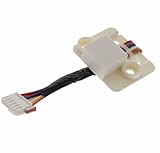
Overview: This washing machine vibration sensor is designed specifically for Samsung appliances, replacing part number DC93-00278B. It serves as a critical component that monitors drum balance during spin cycles, detecting uneven loads that cause excessive vibration and noise. When imbalance is detected, the sensor communicates with the control board to adjust drum motion, ensuring smooth operation and preventing damage to the machine’s mechanical components.
What Makes It Stand Out: The sensor carries the exact Samsung part number DC93-00278B, suggesting OEM-level quality and precise fitment. It replaces multiple associated part numbers including AP5579308 and PS4216272, consolidating several cross-references into one reliable component. This specificity ensures seamless integration with compatible Samsung washing machines without modification or compatibility concerns that sometimes plague universal aftermarket parts.
Value for Money: At $56.90, this sensor commands a premium price point significantly higher than LG equivalents. However, for Samsung owners, this cost reflects potential OEM quality and guaranteed compatibility. While expensive compared to generic alternatives, it remains far more economical than a professional repair service or complete appliance replacement. The investment is justified if it delivers the durability and precise performance of an original Samsung component.
Strengths and Weaknesses: Strengths: Exact Samsung part number match; likely OEM quality; precise fitment; replaces multiple part numbers; reliable performance; prevents mechanical wear. Weaknesses: Very expensive for a single sensor; limited to Samsung models; sparse product description; no mention of warranty; considerably pricier than aftermarket LG alternatives.
Bottom Line: This DC93-00278B sensor is recommended for Samsung washing machine owners who prioritize OEM reliability over cost savings. While priced at a premium, its exact part number match and presumed quality make it a worthwhile investment for those seeking a hassle-free, dependable repair.
9. EBD48922810 Washing Machine Vibration Sensor - For LG Washing Machines - Replaces WV10-1410B, WV10-1410W, WV10-1412B, WV10-1412W, WV5-1408W etc 3D Washing Machine Balance Sensor On CY120 Part

Overview: The EBD48922810 washing machine vibration sensor targets LG appliance owners seeking a reliable replacement for their failing balance sensor. Compatible with WM3555HWA/00, WM1455HWA/00, and numerous WV series models, this 3D sensor monitors drum stability during spin cycles. It detects unbalanced loads and communicates with the control system to redistribute laundry, ensuring smooth operation while reducing vibration and noise that can disrupt your household.
What Makes It Stand Out: Marketed as a 3D washing machine balance sensor, this component emphasizes its advanced detection capabilities on the CY120 platform. The manufacturer highlights high-quality materials designed to withstand frequent use and extend washing machine lifespan. Its plug-and-play installation process requires only basic safety precautions—unplugging the machine and wearing gloves—making it accessible to DIYers without specialized tools or technical expertise.
Value for Money: At $32.99, this sensor sits in an awkward middle ground—significantly more expensive than budget alternatives yet without clear advantages over them. While it promises durability and easy installation, similar features are available in competitors costing half as much. The price premium isn’t justified by the product description, making it a less attractive option for cost-conscious buyers despite its functional competence.
Strengths and Weaknesses: Strengths: Wide LG model compatibility; 3D sensor technology; quality material construction; straightforward plug-and-play installation; effective vibration reduction. Weaknesses: Overpriced compared to similar aftermarket options; redundant marketing claims; no clear differentiation from cheaper alternatives; limited warranty details; questionable value proposition.
Bottom Line: This sensor performs adequately but fails to justify its $32.99 price tag when comparable alternatives exist for far less. Unless brand loyalty or specific material composition matters to you, more economical options deliver identical functionality. Shop around before committing to this mid-tier choice.
10. DBCYZ DC93-00278B Compatible with Samsung Washing Machine Vibration Mems Sensor PS4216272 1-Pack
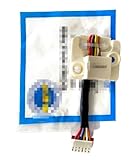
Overview: The DBCYZ DC93-00278B vibration MEMS sensor serves as a premium replacement for Samsung washing machines, specifically designed to replace part number PS4216272. This sensor monitors drum balance during operation, detecting uneven loads that cause excessive vibration and potential mechanical damage. As a MEMS (Micro-Electro-Mechanical Systems) device, it likely offers enhanced precision and reliability compared to conventional sensor technologies.
What Makes It Stand Out: The MEMS technology designation suggests advanced engineering with superior sensitivity and durability. The DBCYZ branding implies a reputable aftermarket manufacturer focused on quality components. Unlike generic replacements, this sensor targets Samsung specifically, ensuring proper fitment and communication protocols with the appliance’s control system. The 1-pack packaging indicates a single, premium component rather than bulk discount alternatives.
Value for Money: At $60.99, this is the most expensive sensor in this review set. The premium pricing likely reflects the advanced MEMS technology and brand reputation. While costly compared to standard replacements, it may offer superior longevity and precision that justifies the investment for high-end Samsung models. However, the lack of detailed specifications makes it difficult to fully assess whether the price premium delivers commensurate performance benefits over OEM or other aftermarket options.
Strengths and Weaknesses: Strengths: MEMS technology for enhanced precision; brand name recognition; Samsung-specific design; premium build quality; likely superior durability. Weaknesses: Highest price point; no features listed in product description; uncertain warranty terms; potentially over-engineered for basic repair needs; limited value proposition without performance data.
Bottom Line: This DBCYZ sensor suits Samsung owners seeking a premium aftermarket alternative with advanced MEMS technology. While the $60.99 price is steep, those wanting cutting-edge sensor technology may find it worthwhile. However, the lack of detailed specifications makes it a calculated risk for most DIY repairers.
Understanding Washing Machine Imbalance: The Hidden Threat
Washing machine imbalance occurs when the distribution of laundry inside the drum becomes uneven during the spin cycle. This seemingly minor issue creates a cascade of problems that extend far beyond noisy operation. The physics are straightforward: when 15 pounds of wet clothing clumps on one side of a drum spinning at 1,400 RPM, it generates centrifugal forces exceeding 400 Gs. These forces don’t just vibrate—they create a destructive wobble that amplifies through the entire machine structure.
The consequences manifest in multiple ways. Your washer physically migrates across the floor, a phenomenon technicians call “walking,” which can damage flooring and create trip hazards. Internal components bear the brunt: shock absorbers compress unevenly, drum bearings experience premature wear, and motor mounts crack under stress. The cabinet itself flexes and warps, while hoses and electrical connections loosen over time. Perhaps most concerning is the structural impact on your home, where repeated vibrations can crack tile, compromise subflooring, and even affect wall integrity in extreme cases.
How Vibration Sensors Work: The Science Behind the Protection
Vibration sensors operate on sophisticated principles of motion detection and frequency analysis. At their core, these devices contain microelectromechanical systems (MEMS) accelerometers that measure changes in velocity across multiple axes. When your washing machine drum becomes unbalanced, it creates specific vibration signatures—patterns of oscillation that sensors can identify within milliseconds.
The detection process involves continuous sampling of vibration data at rates of 1,000 Hz or higher. Advanced algorithms filter out normal operational vibrations from dangerous anomaly patterns. Normal spin cycles produce consistent, predictable frequencies, while imbalance creates chaotic, high-amplitude spikes that cross predetermined thresholds. Once detected, the sensor triggers a response protocol that typically begins with reducing spin speed incrementally. If vibrations persist, the system initiates a full shutdown and redistributes the load through brief agitation cycles before attempting to respin at a safer speed.
Types of Vibration Sensors Used in Washing Machines
Not all vibration sensors are created equal, and understanding the different technologies helps you appreciate what protects your appliance. Piezoelectric sensors remain the most common in residential washers, utilizing crystals that generate electrical charges when mechanically stressed. These sensors excel at detecting high-frequency vibrations but require careful calibration to avoid false triggers from normal operational noise.
Capacitive accelerometers represent the newer generation, offering superior sensitivity and lower power consumption. They measure changes in electrical capacitance caused by microscopic movements of internal components, providing more granular data about vibration intensity and direction. Some premium systems now integrate triaxial sensors that monitor movement along X, Y, and Z axes simultaneously, creating a three-dimensional picture of machine behavior that enables predictive intervention before damage occurs.
Key Benefits of Vibration Sensor Technology
The advantages of proper vibration detection extend well beyond simply stopping a noisy machine. These systems provide layered protection that pays dividends throughout your appliance’s lifecycle. By preventing catastrophic imbalance events, sensors eliminate the primary cause of premature component failure, effectively doubling the operational lifespan of bearings, suspension systems, and drive motors in many cases.
Energy efficiency improves dramatically when machines operate smoothly. An imbalanced washer draws up to 40% more electricity as the motor strains against erratic loads, while balanced operation maintains optimal power consumption. Water usage also decreases because sensors enable faster, more effective spin cycles that extract more moisture, reducing drying time and associated energy costs.
Preventing Structural Damage to Your Home
Your home’s structural integrity depends on more than just foundation strength—it requires protection from dynamic forces. Vibration sensors prevent the transmission of damaging oscillations to floor joists and wall studs. A fully loaded washer spinning at high speed can generate forces equivalent to a small jackhammer, creating fatigue stress in building materials that accumulates over time.
Hard surface flooring suffers most visibly. Tile grout cracks, luxury vinyl planks separate, and engineered wood floors develop delamination. Subfloors beneath laundry rooms experience loosening of fasteners and eventual squeaking or sagging. In multi-story buildings, these vibrations travel through framing, disturbing occupants and potentially damaging plaster or drywall on lower levels. Sensors that stop imbalance before it peaks protect not just your immediate laundry area but your entire home’s structural ecosystem.
Extending Appliance Lifespan
Every vibration event your washing machine experiences contributes to mechanical wear, much like potholes damage vehicle suspension systems. The drum spider—a critical component that holds the wash drum—cracks under repeated flexing during imbalance events. Replacing this single part often costs more than half the price of a new machine.
Shock absorbers and dampers lose effectiveness exponentially faster when constantly compensating for violent movements. Motor couplings strip, control board solder joints fracture from repeated impacts, and door seals compress unevenly, leading to leaks. Vibration sensors act as a preventive maintenance system, ensuring your washer operates only within safe parameters. Manufacturers report that machines equipped with advanced vibration detection systems average 12-15 years of service life compared to 8-10 years for units without such protection.
Enhancing Safety Features
Modern vibration sensors integrate with comprehensive safety systems that protect more than just the machine itself. When sensors detect dangerous imbalance levels, they don’t merely shut down—they execute a controlled deceleration that prevents sudden stops from creating projectiles. This is particularly crucial for front-loading washers where door latches could fail under extreme stress.
Fire prevention represents another critical safety dimension. Imbalance causes motors to overheat as they draw excessive current, potentially igniting lint or dust accumulation. Sensors that cut power during anomaly events eliminate this risk. Additionally, they prevent water connection failures by stopping violent movement that could loosen inlet hoses or damage drain connections, protecting against flooding scenarios that cause thousands of dollars in damage.
Critical Features to Look for in Vibration Sensors
When evaluating vibration sensor capabilities, several technical specifications determine real-world effectiveness. Detection threshold adjustability stands paramount—sensors that allow customization based on floor type, machine weight, and installation location provide superior protection. Fixed-threshold sensors often prove too sensitive for concrete basements or too lenient for upper-floor laundry rooms with flexible joists.
Sampling rate and data processing speed directly impact response time. Premium sensors sample vibrations at 2,000 Hz or higher, capturing even micro-vibrations that precede major imbalance events. Look for systems with dedicated processors that analyze data in real-time rather than relying on the machine’s main control board, which may prioritize other functions during critical moments.
Sensitivity and Detection Range
Sensitivity specifications often confuse consumers because higher numbers don’t always mean better protection. Sensor sensitivity, measured in mV/g (millivolts per gravitational unit), must match your specific environment. A sensor rated at 10 mV/g suits concrete slab installations where subtle vibrations indicate problems, while 100 mV/g works better for wooden floors where normal operation naturally produces more movement.
Detection range—the maximum G-force a sensor can measure before clipping—proves equally important. Residential washers typically require sensors handling up to 8-10 Gs, while commercial machines need 15+ G capability. Oversized detection ranges reduce resolution, potentially missing early warning signs. The sweet spot involves matching range to your machine’s maximum theoretical output while maintaining sufficient sensitivity for early detection.
Response Time and Auto-Shutoff Mechanisms
Response time separates adequate sensors from exceptional ones. The interval between initial anomaly detection and corrective action must occur within 50-100 milliseconds to prevent damage. This requires not just fast sensors but also optimized communication protocols between the sensor and control system.
Auto-shutoff mechanisms should follow a graduated response curve rather than an immediate hard stop. The ideal sequence begins with spin speed reduction of 20-30%, allowing the load to potentially self-correct. If vibrations decrease below threshold, the cycle continues at reduced speed. Persistent high vibration triggers agitation to redistribute the load, followed by a second spin attempt. Only after multiple failed attempts should the system initiate a complete shutdown, displaying an error code that helps diagnose whether the issue stems from imbalance, an unlevel machine, or sensor malfunction.
Calibration and Adaptive Learning
Static calibration works for initial installation, but adaptive learning technology separates modern sensors from basic units. These advanced systems build vibration profiles during the first 10-20 cycles, learning what constitutes “normal” for your specific machine, floor type, and typical load compositions. They recognize that a King-size comforter creates different vibration patterns than a load of mixed clothing, adjusting thresholds accordingly.
Manual calibration options remain valuable for unique situations. If you relocate your washer to a different floor type or notice increased false alarms after home renovations, recalibration ensures optimal performance. Look for systems offering both automatic learning and manual override capabilities, typically accessible through a service mode or companion mobile app. This flexibility prevents the frustration of sensors that become either too sensitive or too lax over time.
Installation Considerations: DIY vs Professional Setup
Installing vibration sensors presents varying complexity levels depending on whether you’re adding aftermarket sensors to an existing machine or selecting a new washer with integrated technology. Aftermarket sensors typically mount to the machine’s cabinet or suspension system using adhesive pads or screw mounts, requiring access to the machine’s interior and connection to the control board.
DIY installation demands comfort with appliance repair, including safely disconnecting power, accessing internal components, and correctly routing wiring to avoid interference with moving parts. Most sensor kits include detailed instructions, but the process takes 2-4 hours for someone with moderate technical skills. Critical steps include positioning the sensor at the manufacturer-specified location—usually near the rear suspension struts—and ensuring the wiring harness doesn’t contact the rotating drum or pulley system.
Compatibility with Different Washing Machine Types
Top-loading and front-loading washers require fundamentally different sensor approaches due to their distinct vibration characteristics. Top-loaders produce vertical oscillations as the agitator creates uneven loads, necessitating sensors with strong Z-axis detection capabilities. Front-loaders generate more lateral and torsional vibrations as the drum rotates horizontally, requiring triaxial sensors that excel at detecting side-to-side movement.
High-efficiency (HE) machines with direct-drive motors produce different vibration frequencies than belt-driven models. Direct-drive systems create higher-frequency vibrations from motor harmonics, while belt-driven units generate lower-frequency oscillations from mechanical play in the drive system. Ensure any sensor you consider explicitly states compatibility with your machine’s drive type and drum capacity, as oversized commercial-style drums in residential units can exceed standard sensor detection ranges.
Wiring and Integration Challenges
Aftermarket sensor integration requires tapping into your washer’s existing wiring harness, typically at the motor control module or main control board. This involves identifying correct voltage lines (usually 5V DC for sensor power) and signal wires that communicate with the machine’s microprocessor. Incorrect connections can damage sensitive electronics, void warranties, or create safety hazards.
Wireless sensor systems avoid wiring complexities but introduce battery maintenance and potential interference issues. Most operate on 2.4 GHz frequencies, which can experience congestion in smart homes with numerous WiFi devices. Hardwired sensors provide more reliable communication but require careful cable management. Professional installation, costing $150-$300, ensures proper integration and often includes warranty protection for the work performed.
Smart Features and Connectivity Options
Modern vibration sensors increasingly function as IoT devices, extending protection beyond the laundry room itself. These smart sensors connect to home networks, providing data logging, remote monitoring, and integration with broader home management systems. The embedded microprocessors don’t just detect vibrations—they analyze patterns, predict maintenance needs, and adapt to changing conditions without manual intervention.
Real-time data streaming allows these sensors to communicate machine health status continuously rather than only during fault conditions. They track vibration trends over time, alerting you to gradual degradation of suspension components or bearing wear before catastrophic failure occurs. This predictive capability transforms a simple safety device into a comprehensive appliance management tool.
Mobile App Integration and Real-Time Alerts
Companion mobile applications transform vibration sensor data into actionable insights. Quality apps provide granular control over sensitivity settings, allowing you to adjust detection thresholds remotely based on load type. They log every imbalance event with timestamps and severity ratings, helping you identify problematic washing habits—like consistently overloading towels or washing single heavy items.
Alert customization proves invaluable for busy households. Configure push notifications for critical shutdowns while relegating minor vibration warnings to daily summaries. Advanced apps integrate with family calendars, suggesting optimal laundry times based on home occupancy and avoiding late-night cycles that might disturb sleep. Look for apps offering data export capabilities, which prove useful when filing warranty claims or discussing issues with service technicians.
Integration with Home Automation Systems
Vibration sensors that connect to platforms like SmartThings, Home Assistant, or Hubitat unlock sophisticated automation scenarios. Trigger whole-house announcements through smart speakers when imbalance occurs: “Laundry imbalance detected—cycle paused.” Automatically adjust smart thermostats to compensate for heat generated by extended cycle times during redistribution attempts.
Integration with smart water valves enables automatic shutoff of water supply during severe vibration events, providing flood protection beyond what the sensor alone offers. Connect sensors to smart lighting systems that flash warning colors in adjacent rooms, alerting family members to avoid the laundry area until the machine stabilizes. The most advanced integrations can even pause robot vacuum cleaners to prevent them from bumping into a walking washer.
Maintenance and Troubleshooting Your Vibration Sensor
Like any precision instrument, vibration sensors require periodic attention to maintain accuracy. Dust accumulation on sensor housings can dampen detection capabilities, while temperature fluctuations in unheated laundry areas affect electronic component performance. Quarterly inspection should include visual checks for physical damage, secure mounting, and clean contacts on wired connections.
Calibration drift represents the most common long-term issue. Sensors may become gradually less sensitive over time as internal components age, or conversely, more prone to false alarms as mounting adhesives degrade and introduce micro-movements. Most manufacturers recommend recalibration every 12-18 months, a process that typically takes 10-15 minutes through the service mode or app interface.
Common False Alarm Causes and Solutions
False alarms frustrate users and lead to disabling sensors entirely, eliminating protection. The most frequent culprit is improper installation location—mounting sensors too close to the motor or drive pulley captures normal operational vibrations as anomalies. Relocating the sensor 6-8 inches away from these sources often resolves issues.
Floor instability creates another common false trigger. Wooden floors with excessive bounce or washing machines placed on inadequate pedestals transmit building movement to the sensor. Solutions include reinforcing floor joists, installing anti-vibration pads beneath the washer feet, or adjusting sensor sensitivity to account for substrate flexibility. Laundry rooms near garages or heavy traffic areas may experience false alarms from external vibrations; enabling “environmental filtering” in advanced sensor settings ignores these external inputs.
When to Replace or Upgrade Your Sensor
Vibration sensors typically last 7-10 years, but several indicators signal premature failure. Inconsistent detection—where obvious imbalance events don’t trigger alerts while minor vibrations do—suggests sensor element degradation. Complete failure to power up or communicate with the control board indicates electronic component failure, often from power surges or moisture intrusion.
Upgrade considerations extend beyond simple failure. If you’ve renovated your laundry room, moving the washer to an upper floor or installing heavier stone countertops, your existing sensor may lack appropriate sensitivity range. Newer smart sensors offer capabilities like predictive maintenance that older units can’t match. Replacement costs $50-$150 for aftermarket sensors, making upgrades financially attractive when compared to a single service call for imbalance-related damage.
Cost-Benefit Analysis: Are Vibration Sensors Worth the Investment?
Evaluating vibration sensor value requires looking beyond the initial purchase price. A quality aftermarket sensor system costs $75-$200, while washers with integrated advanced sensors command a $150-$300 premium over base models. Compare this to typical repair costs: $400-$600 for drum bearing replacement, $300-$500 for shock absorber service, and $800-$1,200 for control board damage from vibration-related electrical faults.
The mathematics become compelling when factoring in secondary damage. Floor repairs from a walking washer average $500-$2,000 depending on flooring type and extent. Water damage from hose failures caused by excessive movement can exceed $5,000 when considering drywall, subfloor, and mold remediation. Home insurance may not cover these incidents if negligence—like ignoring obvious balance issues—is determined.
Return on investment typically occurs within 2-3 years for households doing 5+ loads weekly. Commercial applications see ROI in under 12 months due to higher repair costs and business interruption risks. The intangible value of peace of mind—never worrying about coming home to a flooded laundry room or cracked foundation—proves difficult to quantify but significant for most property owners.
Environmental Factors That Affect Sensor Performance
Your laundry room’s physical environment dramatically impacts sensor effectiveness. Temperature extremes challenge sensor accuracy; most units operate reliably between 40°F and 100°F. Unheated garages or basement installations in cold climates may experience delayed response times or false readings until the sensor reaches operating temperature. Premium sensors include temperature compensation circuits that adjust detection algorithms based on ambient conditions.
Humidity poses a more insidious threat. Moisture infiltration corrodes sensor contacts and can short-circuit electronics. Look for sensors rated IP65 or higher, indicating resistance to water jets and dust. Install sensors on vertical surfaces rather than horizontal ones where water might pool, and ensure wiring connections use waterproof connectors if located near potential moisture sources like drain pans or utility sinks.
The Future of Vibration Detection Technology
The next generation of vibration sensors leverages artificial intelligence and machine learning to predict failures before they occur. These systems analyze subtle changes in vibration signatures across thousands of cycles, identifying bearing wear patterns that precede failure by months. Cloud-based analytics compare your machine’s data against millions of similar units, providing benchmark comparisons and personalized maintenance recommendations.
Piezoelectric nanogenerator technology promises self-powered sensors that harvest energy from vibrations themselves, eliminating batteries and wiring. Experimental systems integrate haptic feedback directly into washer controls, allowing users to “feel” load balance through the start button before initiating cycles. As appliances become more connected, vibration data will feed into manufacturer databases, enabling design improvements and proactive recall notifications for systemic issues.
Frequently Asked Questions
How do I know if my washing machine already has a vibration sensor?
Check your owner’s manual for features like “load balance detection,” “vibration reduction technology,” or “automatic redistribution.” Many modern washers include basic sensors, but their capabilities vary widely. You can also observe your machine during spin cycles—if it automatically slows down, pauses to redistribute loads, or displays specific imbalance error codes, it likely has integrated sensors. For definitive confirmation, access the service mode (usually by pressing a specific button combination) and look for vibration sensor diagnostics.
Can I add a vibration sensor to my old washing machine?
Yes, aftermarket vibration sensor kits work with most washers manufactured after 2000 that have electronic control boards. The installation requires basic wiring skills and comfort disassembling appliance panels. Universal kits include adhesive-mounted accelerometers and control modules that interface with existing motor controls. However, machines older than 15 years may lack the necessary control interfaces, making retrofitting impractical. In such cases, investing in a new washer with integrated sensors often provides better long-term value.
What’s the difference between a vibration sensor and anti-vibration pads?
These technologies serve complementary but distinct purposes. Vibration sensors detect imbalance and trigger corrective actions electronically. Anti-vibration pads are physical dampers placed beneath the washer feet that absorb and dissipate vibrational energy. Pads reduce transmitted vibrations but don’t prevent the imbalance itself. For maximum protection, use both: sensors prevent destructive oscillations, while pads minimize normal operational vibrations that cause wear and noise. Neither replaces proper installation and leveling.
Will vibration sensors prevent my washer from walking across the floor?
Properly calibrated sensors significantly reduce walking by stopping the spin cycle before forces become strong enough to move the machine. However, they can’t overcome fundamentally poor installation. A washer on an unlevel floor or with improperly adjusted feet will still move, albeit less dramatically. Sensors work best when combined with correct leveling, adequate flooring, and sometimes anti-vibration pads. If your washer walks despite functional sensors, investigate installation issues rather than blaming the detection system.
How sensitive should I set my vibration sensor?
Start with manufacturer defaults, then adjust based on your specific situation. For concrete slab installations, use higher sensitivity (lower G-force thresholds) since floors don’t absorb vibrations. Upper-floor laundry rooms on wooden joists need lower sensitivity to prevent false alarms from normal floor flex. Begin with the middle setting and run five typical loads. If you experience false alarms, decrease sensitivity by one level. If the machine continues walking without triggering alerts, increase sensitivity. Document your settings for future reference.
Can vibration sensors void my washing machine warranty?
Aftermarket sensor installation typically doesn’t void the entire warranty, but it can affect coverage for specific components if the installation causes damage. The Magnuson-Moss Warranty Act protects consumers from blanket warranty voiding for aftermarket additions. However, if a sensor installation damages the control board or wiring, those specific repairs may be denied. Professional installation by certified technicians often includes warranty protection for the work performed. New washers with factory-installed sensors carry full warranty coverage for the entire system.
Do smart vibration sensors work without internet connectivity?
Smart sensors provide basic protection without internet, executing auto-shutoff functions locally using onboard processors. However, cloud-based features like remote alerts, data logging, and predictive analytics require internet connectivity. Most systems store 24-48 hours of data locally, uploading when connection restores. If your laundry room has poor WiFi coverage, consider sensors with local hub connectivity or cellular backup options. For purely protective functions, internet isn’t mandatory—but you lose the advanced monitoring benefits that justify smart sensor premiums.
How often do vibration sensors need recalibration?
Factory-installed sensors in newer washers with adaptive learning typically self-calibrate every 50-100 cycles, requiring no manual intervention. Aftermarket sensors need checking every 12-18 months, or immediately after moving the machine or significant home renovations. Signs you need recalibration include increased false alarms, failure to detect obvious imbalance, or error codes related to sensor malfunction. The process usually takes 10-15 minutes through an app or service mode, following prompts to run an empty test cycle.
Can one sensor protect a stacked washer-dryer setup?
Single sensors mounted on the washer portion adequately protect stacked units since the dryer doesn’t generate significant vibrations. However, the sensor must account for the combined mass and potential sway of the stacked configuration. Some stacking kits include stabilizers that affect vibration transmission, requiring sensor sensitivity adjustments. For maximum protection in stacked installations, ensure the sensor mounts on the washer’s upper rear section where it can detect both washer vibrations and any swaying of the combined unit. Never mount sensors on the dryer, as they won’t detect washer imbalance effectively.
What maintenance do vibration sensors require?
Vibration sensors need minimal maintenance but benefit from quarterly inspections. Check that mounting remains secure—adhesive pads can loosen over time, and screw mounts may need tightening. Clean sensor housings with a dry cloth to prevent dust buildup that can dampen detection. Inspect wiring for fraying, especially near moving parts. For wireless sensors, replace batteries annually or when low-battery alerts appear. Run diagnostic cycles every six months to verify proper function. Avoid using liquid cleaners directly on sensors, and never pressure-wash around sensor installations.