Picture this: You’re three hundred miles from home when your phone buzzes with an alert that your water heater just burst. Instead of panicking about the impending flood, you calmly watch in real-time as your smart system automatically shuts off the main water supply, preventing what could have been a $50,000 disaster. This isn’t futuristic fantasy—it’s the reality of modern water-leak sensor-based shutoff automations. These intelligent guardians have evolved from simple moisture detectors into sophisticated home protection networks that think, learn, and act autonomously. Whether you’re safeguarding a century-old house or building a cutting-edge smart home, understanding how to select, install, and optimize these systems isn’t just about preventing damage—it’s about achieving true peace of mind in an unpredictable world.
Top 10 Water-Leak Sensor-Based Shutoff Automations
Detailed Product Reviews
1. Haozee WiFi Smart Water Valve and Automatic Shutoff, Automation Scene Works with Leak Detector, Water Flow Meter,Built-in Rechargeable Battery, for DN20 3/4-Inch Diameter Pipe

Overview: The Haozee Smart Water Valve offers comprehensive water management for DN20 3/4-inch pipes at a mid-range price point. This device combines remote WiFi connectivity with ultrasonic flow measurement technology, allowing homeowners to monitor and control their water supply from anywhere. The system includes a built-in 2600mAh rechargeable battery that maintains manual operation during power outages, though app functionality requires AC power.
What Makes It Stand Out: The dual-band WiFi support (2.4GHz and 5GHz) without requiring a gateway sets this apart from many competitors that only support 2.4GHz. The W-type ultrasonic flow detection provides accurate water consumption data and enables intelligent automation based on flow rate thresholds. Integration with Tuya’s ecosystem allows seamless pairing with compatible leak detectors for triggered shutoffs, creating a cohesive smart home water protection system.
Value for Money: At $169.99, this valve positions itself as a feature-rich alternative to premium brands. The combination of flow metering, dual-band WiFi, and battery backup typically costs $300+ from established manufacturers. While it lacks the AI-driven learning of high-end models, the core functionality—remote monitoring, automatic shutoff, and usage tracking—delivers exceptional value for budget-conscious homeowners seeking comprehensive protection.
Strengths and Weaknesses:
- Strengths: Dual-band WiFi connectivity; accurate ultrasonic flow measurement; rechargeable battery backup for manual operation; detailed water usage statistics; affordable price point; Tuya ecosystem compatibility
- Weaknesses: App control disabled during battery mode; requires separate purchase of leak detectors; less established brand reputation; installation may require plumbing experience; no phone call alerts
Bottom Line: The Haozee valve is an excellent choice for tech-savvy homeowners wanting advanced features without the premium price tag. While it requires some DIY confidence and external sensors for full automation, its performance and connectivity options make it a compelling value proposition.
2. Moen Flo Smart Water Monitor and Automatic Shutoff Sensor, Wi-Fi Water Leak Detector for 3/4-Inch Diameter Pipe, 900-001

Overview: Moen’s Flo system represents the premium tier of smart water management, designed for 3/4-inch pipes with sophisticated leak detection capabilities. This professionally-oriented device learns your household’s water usage patterns over time, enabling it to identify anomalies ranging from pinhole leaks to major pipe bursts. The system provides multi-channel alerts via app notifications, phone calls, and emails for comprehensive coverage.
What Makes It Stand Out: FloSense technology distinguishes this device through adaptive learning that tailors protection to your specific home’s water behavior. Unlike threshold-based systems, it recognizes subtle deviations that indicate developing problems. The automatic shutoff feature responds to both catastrophic failures and slow, persistent leaks that might otherwise go unnoticed for months, preventing gradual damage and mold growth.
Value for Money: At $499.22, the Flo commands a significant premium but justifies it through insurance-grade protection and potential premium discounts. While nearly triple the cost of basic shutoff valves, the sophisticated analytics and professional installation support (recommended) appeal to homeowners wanting set-it-and-forget-it reliability. For high-value properties, the investment pales compared to potential water damage restoration costs.
Strengths and Weaknesses:
- Strengths: AI-powered pattern recognition; multiple alert methods (app, call, email); comprehensive installation kit; established brand reliability; prevents both major and minor leaks; insurance premium potential
- Weaknesses: High upfront cost; professional installation adds expense; limited to 3/4-inch pipes; no battery backup mentioned; may be overkill for smaller homes
Bottom Line: The Moen Flo is ideal for owners of valuable properties who prioritize maximum protection and convenience. While expensive, its intelligent monitoring capabilities and professional support network justify the premium for those seeking the gold standard in water damage prevention.
3. E-SDS Water Leak Detector with Shutoff Valve,Sensors and Sounds Alarm,Automatic Water Leak Shut Off Valve System,for Pipes 3/4 NPT,Flood Prevention for Laundry,Water Heaters and More

Overview: The E-SDS system provides fundamental leak protection for 3/4 NPT pipes at an accessible price point. This no-frills solution focuses on core functionality: detecting water presence via a 19.68-foot sensor cable and automatically shutting off the supply when triggered. The brass ball valve construction handles temperatures up to 100°C (212°F), making it suitable for water heater installations and hot water lines.
What Makes It Stand Out: Simplicity and affordability define this device’s appeal. The extended sensor cable offers flexibility in placement, allowing monitoring of large areas like laundry rooms or utility spaces from a single valve installation. Vacation mode provides manual shutoff capability for extended absences, adding a layer of security beyond automated responses. The hot water compatibility expands installation options compared to some competitors.
Value for Money: At $109.99, this is the most budget-friendly option in the comparison. While lacking smart features like app connectivity or flow monitoring, it delivers reliable basic protection for a fraction of premium system costs. For rental properties, vacation homes, or budget-conscious homeowners, it provides essential peace of mind without complex technology that might require troubleshooting.
Strengths and Weaknesses:
- Strengths: Extremely affordable; 19.68ft sensor cable; hot water compatible (100°C); simple operation; vacation mode; brass valve construction; easy installation
- Weaknesses: No WiFi or app control; smaller internal port reduces flow; basic sensor only (no flow metering); no remote monitoring; limited automation capabilities
Bottom Line: The E-SDS is perfect for those wanting simple, reliable leak prevention without technical complexity. While it won’t impress tech enthusiasts, its straightforward design and attractive price make it an excellent entry-level solution for specific high-risk appliances or smaller properties.
4. iSpring LS43WL Smart Leak Shut-Off System, Automatic Water Leak Detector with 1 Wired & 1 Wireless Sensor, Whole-Home Water Damage Protection, 1" MNPT + 3/4" FNPT
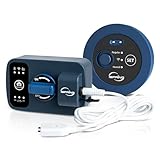
Overview: iSpring’s LS43WL targets whole-home protection with a versatile design supporting both 1-inch MNPT and 3/4-inch FNPT connections. The system installs at the main water inlet, providing centralized defense against leaks throughout the property. It includes both wired and wireless sensors with adaptive modes to prevent false alarms in humid environments like basements while maintaining sensitivity in dry areas.
What Makes It Stand Out: The dual-sensor approach with Regular and Humid modes addresses a common pain point: false alarms in moisture-prone areas. This intelligence allows placement near sump pumps, water heaters, or in basements without constant nuisance triggers. The 20-second shutoff response time is impressively fast for a whole-home system, and the DIY-friendly design with included adapters accommodates various plumbing configurations.
Value for Money: Priced at $156.98, the iSpring offers premium features at a mid-tier price. The dual-connection sizing eliminates the need for additional adapters, and the included wireless sensor adds value. While it lacks flow monitoring, its whole-home coverage and intelligent sensor modes rival systems costing $100 more. For hands-on homeowners, the DIY installation saves additional professional fees.
Strengths and Weaknesses:
- Strengths: Whole-home central protection; dual sensors (wired/wireless); adaptive humid/dry modes; dual pipe size compatibility; fast 20-second shutoff; DIY installation; competitive pricing
- Weaknesses: No flow metering or usage statistics; requires constant AC power for auto-shutoff; no WiFi connectivity mentioned; limited smart features
Bottom Line: The iSpring LS43WL excels for homeowners wanting comprehensive protection without complexity. Its intelligent sensor modes and flexible installation make it a smart choice for properties with varied moisture levels, though tech-savvy users may miss remote monitoring capabilities.
5. StreamLabs Control - Smart Water Leak Detector with Automatic Shut-Off Valve (1" FNPT)
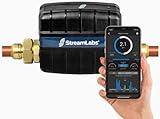
Overview: StreamLabs Control positions itself as a luxury smart water management solution with a price tag to match. The system offers dual connectivity through WiFi and Bluetooth, allowing both remote app control and local operation within 10 meters. Beyond basic leak prevention, StreamLabs emphasizes potential insurance premium reductions of up to 10%, framing the device as a financial investment rather than just protective equipment.
What Makes It Stand Out: The insurance incentive is a unique selling proposition that directly addresses the high cost barrier. Bluetooth backup control provides redundancy when WiFi fails, a thoughtful feature rarely seen in competitors. The “Smart Alerts” app promises intelligent notifications, and the 1-inch FNPT connection supports higher flow rates suitable for larger homes. The 100% quality guarantee with 24-hour response support suggests confidence in reliability.
Value for Money: At $1,090.00, this is by far the most expensive option—more than double the Moen Flo. The price is difficult to justify based on features alone, as it lacks the Flo’s advanced AI learning. The value proposition hinges entirely on insurance savings and premium support. For owners of luxury properties where insurance discounts offset cost, it may make sense, but most homeowners will find better ROI elsewhere.
Strengths and Weaknesses:
- Strengths: Dual WiFi/Bluetooth control; potential insurance discounts; premium customer support; 1-inch full flow capacity; luxury build quality; remote and local control options
- Weaknesses: Extremely high price; unclear advanced features; no flow metering mentioned; limited brand recognition; poor value compared to alternatives
Bottom Line: StreamLabs Control targets affluent homeowners where price is secondary to prestige and insurance benefits. For the average consumer, the astronomical cost cannot be justified by the features offered. Consider this only if insurance premium reductions guaranteed exceed the price difference versus premium alternatives.
6. Moen Flo Smart Water Monitor and Automatic Shutoff Sensor, Wi-Fi Connected Water Leak Detector for 1-Inch Diameter Pipe, 900-006
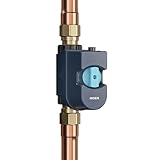
Overview: The Moen Flo Smart Water Monitor represents the premium tier of whole-house water protection, combining advanced monitoring with automatic shutoff capabilities for 1-inch pipes. This intelligently designed system goes beyond simple leak detection by learning your household’s unique water usage patterns through its proprietary FloSense technology.
What Makes It Stand Out: FloSense AI technology distinguishes this device from competitors, enabling it to detect everything from pinhole leaks to abnormal usage patterns that might indicate a running toilet or failing appliance. The system provides multi-channel alerts via app notifications, phone calls, and emails, ensuring you’re informed regardless of your location. Its ability to automatically shut off water when anomalies are detected offers unparalleled peace of mind, potentially saving thousands in water damage.
Value for Money: At $549.98, the Flo is a significant investment, but it’s substantially cheaper than the average insurance deductible for water damage. When compared to basic leak detectors without shutoff capabilities, the premium is justified by its autonomous protection and learning algorithms. Professional installation is recommended, which adds to the initial cost but ensures proper setup.
Strengths and Weaknesses: Strengths include sophisticated AI learning, comprehensive alert system, and robust automatic shutoff. The primary weakness is the high upfront cost and additional expense of professional installation. Some users may find the learning period requires patience as the system establishes baseline usage patterns.
Bottom Line: For homeowners seeking maximum protection and willing to invest in premium technology, the Moen Flo delivers exceptional value. It’s ideal for those with high-value properties or in flood-prone areas where early detection and automatic response are worth the premium price.
7. Wireless Valve Controller & Bulldog Valve Robot Automatic Water Leak Detection & Shut-Off Kit, Battery Powered with 10+ Years Battery Life HUB Required
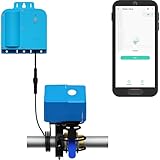
Overview: This innovative kit pairs the Bulldog Valve Robot manipulator with YoLink’s Smart Valve Controller X³, creating a versatile automatic water shutoff solution that works with your existing ball valves. Compatible with multiple pipe sizes from 1/2 to 1-1/2 inches, it transforms standard valves into smart, automated safeguards without requiring plumbing modifications.
What Makes It Stand Out: The system’s device-to-device pairing technology is revolutionary, allowing operation even during Wi-Fi, internet, or power outages—a critical feature when disasters strike. The 10+ year battery life eliminates maintenance concerns, while LoRa technology provides industry-leading range up to 1/4 mile. The high-torque motor ensures reliable operation for years, and DIY installation saves hundreds in plumber fees.
Value for Money: At $319.99, this represents solid mid-range value, though the required YoLink Hub adds to the total investment. However, the hub serves as a foundation for expanding your smart home ecosystem, supporting 300+ devices. Compared to integrated systems, the modular approach offers flexibility but requires planning your overall smart home strategy.
Strengths and Weaknesses: Strengths include offline operation, exceptional battery life, easy DIY installation, and scalability. The main weakness is that leak sensors aren’t included—this is purely a shutoff mechanism. Initial setup requires technical comfort, and the hub dependency means additional cost for first-time YoLink users.
Bottom Line: Perfect for tech-savvy homeowners building a comprehensive smart home system. Its offline capabilities and extreme battery life make it exceptionally reliable, though you’ll need to purchase sensors separately to create a complete leak detection solution.
8. YoLink Water Leak Starter Kit: Hub + 4 Leak Sensor 1 (Silent), LoRa Long-Range, App/SMS/Email Alerts, D2D Offline Triggers, 2 AAA Up to 5-Year Battery, Compatible with Alexa/IFTTT/Home Assistant

Overview: YoLink’s entry-level kit provides essential water leak detection coverage for budget-conscious homeowners, combining a central hub with four silent leak sensors. This plug-and-play solution monitors high-risk areas like water heaters, washing machines, sinks, and sump pumps without breaking the bank, forming the foundation of a scalable smart home ecosystem.
What Makes It Stand Out: The kit’s use of LoRa technology delivers reliable connectivity where Wi-Fi fails, reaching up to 1/4 mile in open air. Its unique device-to-device (D2D) pairing enables sensors to directly trigger sirens or shutoff valves even during internet outages, providing local protection when you need it most. The hub supports over 300 devices, making this an expandable platform rather than a standalone product.
Value for Money: At $54.99, this kit offers exceptional value—each sensor costs less than $14 when bundled with the hub. While it only provides detection without automatic shutoff, it alerts you via app, SMS, and email, allowing manual intervention. For the price, you get enterprise-grade LoRa connectivity and a hub that controls an entire smart home ecosystem.
Strengths and Weaknesses: Strengths include unbeatable price, long-range connectivity, offline operation, and impressive scalability. The silent sensors (no built-in siren) are a double-edged sword—less annoying for minor drips but requiring additional purchases for audible alerts. The lack of automatic shutoff means this is detection-only, not prevention.
Bottom Line: An outstanding starting point for whole-home water monitoring. If you’re willing to manually shut off water when alerted, this kit provides comprehensive coverage at an unbeatable price, with the flexibility to add automatic shutoff valves later.
9. E-SDS Water Heater Leak Detector with Automatic Water Shut-Off, Sensors and Sounds Alarm, ,Automatic Water Leak Shut Off Valve System for Pipes 1/2in NPT for Laundry, Water Heaters and More

Overview: The E-SDS Water Heater Leak Detector offers targeted automatic shutoff protection for specific appliances and pipes with 1/2-inch NPT connections. Designed for water heaters, laundry rooms, and other single-appliance installations, this budget-friendly device provides essential flood prevention without the complexity or cost of whole-house systems.
What Makes It Stand Out: The 19.68-foot sensor cable provides exceptional flexibility in placement, allowing you to position the detection probe exactly where water might pool. Vacation mode lets you manually shut off water during extended absences, adding a layer of security beyond leak detection. The system handles temperatures up to 212°F, making it suitable for hot water applications where other budget sensors might fail.
Value for Money: At $89.99, this is one of the most affordable automatic shutoff solutions available. It includes both the valve and sensor, requiring no additional purchases. While limited to 1/2-inch pipes and lacking smart connectivity, it provides genuine automatic protection that can prevent thousands in damage for less than $100.
Strengths and Weaknesses: Strengths include low cost, long sensor cable, vacation mode, high-temperature tolerance, and straightforward installation. Weaknesses are the lack of smart notifications (no app alerts), limited to 1/2-inch connections, and the valve’s internal port being smaller than 1/2-inch, which may reduce flow rate. It’s also a basic system without learning capabilities.
Bottom Line: An excellent choice for protecting individual appliances on a tight budget. Ideal for rental properties, vacation homes, or homeowners wanting basic automatic protection without smart features. For whole-house coverage, you’ll need multiple units or a more comprehensive system.
10. iSpring LS43 Water Leak Detector Alarm System, Automatic Shut-Off Valve and 2 Detection Sensors, Connects Up to 8 Sensor to Prevent Flooding, 3/4" NPT

Overview: The iSpring LS43 provides a balanced approach to whole-house water leak protection, featuring a 3/4-inch automatic shutoff valve and two detection sensors with capacity for six more. This mid-tier system offers genuine flood prevention for your entire home’s plumbing system without the premium price tag of AI-enabled alternatives.
What Makes It Stand Out: The ability to connect up to eight sensors provides comprehensive coverage for larger homes, with two sensors included to get you started immediately. The 3/4-inch NPT valve accommodates standard whole-house plumbing, and iSpring’s reputation for excellent customer service—with lifetime support and a 1-year warranty—adds confidence. Installation is straightforward enough for competent DIYers, saving professional installation costs.
Value for Money: At $149.99, this system hits the sweet spot between basic single-appliance protectors and premium smart monitors. You get automatic shutoff capability plus multiple sensors for the price of some standalone valves. While it lacks app connectivity, the expandable sensor network and reliable mechanical operation provide solid value.
Strengths and Weaknesses: Strengths include expandable sensor capacity, included sensors, reputable customer support, easy installation, and automatic shutoff. Weaknesses are the absence of smart features or remote notifications—it’s a local system only—and the need to purchase additional sensors separately for full coverage. It also lacks the sophisticated leak detection algorithms of premium alternatives.
Bottom Line: A reliable, no-frills solution for homeowners wanting automatic shutoff without smart home complexity. Perfect for those who prioritize function over connectivity, offering expandable protection at a reasonable price point with the backing of strong customer support.
The Anatomy of Modern Water Leak Defense Systems
Water-leak sensor-based shutoff automations represent a quantum leap beyond the passive alarms of yesterday. At their core, these systems function as a nervous system for your home’s plumbing, constantly monitoring for anomalies and executing split-second decisions to protect your property. The magic happens through a seamless integration of three primary components: distributed sensor nodes that act as sensory receptors, a motorized shutoff valve serving as the muscle, and a central control hub that functions as the brain. Together, they create a closed-loop automation that doesn’t just alert you to problems—it eliminates the threat before it escalates.
How Sensors Detect Moisture Intrusion
Modern leak sensors employ multiple detection methodologies working in concert. Conductive sensing uses two or more electrodes that complete a circuit when water bridges the gap, triggering an instant response. More advanced units incorporate capacitive sensing that detects moisture through changes in electrical fields without direct contact, reducing false alarms from humidity. The most sophisticated sensors add temperature monitoring, creating a multi-dimensional picture of potential threats. This layered approach means your system can differentiate between a spilled glass of water and a genuine pipe rupture, dramatically reducing nuisance triggers while maintaining hyper-vigilance for real dangers.
The Critical Role of Automatic Shutoff Valves
The shutoff valve is where automation transforms from notification to protection. These aren’t your manual ball valves—they’re precision-engineered electro-mechanical devices capable of closing your main water line in 2-5 seconds. Most residential systems use either motorized ball valves, which rotate a quarter-turn for positive shutoff, or solenoid-actuated valves for smaller diameter pipes. The key differentiator lies in the fail-safe design: quality valves include manual override capabilities and position sensors that confirm actual closure, not just attempted closure. This mechanical certainty is what stands between a minor leak and catastrophic flooding when you’re not home to verify.
Why Every Home Needs Intelligent Leak Protection
Water damage isn’t just a homeowner’s nightmare—it’s one of the most statistically likely disasters you’ll face. Insurance claims data reveals that water damage accounts for nearly 30% of all property claims, with the average incident costing $10,000 and taking months to remediate. Beyond the financial toll, there’s the irreplaceable loss of heirlooms, the health hazards of mold growth, and the emotional stress of displacement. Traditional insurance can’t restore your grandmother’s photographs or the weeks of normalcy you’ll lose during reconstruction.
The True Cost of Water Damage
The financial ripple effects of water damage extend far beyond the initial repair bill. Every hour of standing water increases remediation costs exponentially, as moisture wicks into drywall, subfloors, and structural elements. A burst pipe that runs for eight hours while you’re at work can saturate insulation, compromise electrical systems, and create a mold colony that requires professional abatement. Factor in temporary housing, increased insurance premiums, and the 20-30% depreciation in property value until repairs are complete, and you’re looking at a six-figure impact from a single preventable incident.
Insurance Implications and Premium Benefits
Forward-thinking insurance carriers now recognize leak detection systems as proactive risk mitigation, often translating to premium discounts of 5-15%. Some providers require these systems in high-value homes or for policies covering vacation properties. The documentation these systems provide—timestamped alerts, flow rate data, and automatic response logs—can be invaluable during claims processing, potentially accelerating payouts and reducing disputes over cause and extent. In flood-prone regions, having an automated shutoff system can mean the difference between coverage denial and full restoration costs being met.
Core Components of a Complete System
Understanding the ecosystem of components helps you evaluate systems holistically rather than fixating on individual features. A truly robust installation operates as a cohesive unit where each element’s specifications directly impact overall performance. The synergy between sensors, valve, and hub determines not just functionality but reliability when it matters most.
Sensor Nodes: Your First Line of Defense
Sensor nodes vary dramatically in capability and should be matched to specific locations. Under-sink sensors need low profiles and drip trays, while water heater sensors require higher temperature tolerances. Basement sensors benefit from extended wireless range and multi-year battery life. Look for sensors with onboard memory that can store event data even if connectivity fails, and consider units with auxiliary probes for monitoring hard-to-reach areas like behind dishwashers or inside HVAC condensate pans. The best systems allow sensor sensitivity calibration, letting you tune responsiveness based on location risk.
The Shutoff Valve: Your Automated Guardian
Valve selection hinges on pipe size, material, and water pressure. Most residential systems support 3/4-inch to 1-inch pipes, but larger homes may require 1-1/4-inch or 1-1/2-inch valves. Brass construction with stainless steel components ensures longevity in corrosive water conditions. Critical specifications include torque rating (higher is better for reliable closure), cycle life expectancy (aim for 100,000+ cycles), and IP rating for moisture resistance. The valve’s power consumption matters too—during an extended power outage, a power-hungry valve will drain backup batteries faster, potentially leaving you vulnerable.
The Control Hub: System Brain and Communication Center
The hub orchestrates all communication and decision-making. Modern hubs process sensor data locally for faster response times, using cloud connectivity only for remote notifications and firmware updates. Look for hubs with cellular backup options, ensuring alerts reach you even if internet service fails. The hub’s processing power determines advanced capabilities like flow pattern analysis and AI-driven anomaly detection. A quality hub will maintain a detailed event log, track sensor battery levels, and perform system health checks automatically, alerting you to potential issues before they compromise protection.
Wired vs. Wireless: Choosing Your Communication Protocol
The communication backbone of your system affects everything from installation complexity to long-term reliability. Each protocol carries distinct advantages and trade-offs that must be weighed against your home’s architecture, interference environment, and technical comfort level.
Radio Frequency Mesh Networks Explained
Proprietary RF mesh networks create a self-healing web where each sensor acts as a repeater, extending range and providing redundant communication paths. These systems typically operate in the 900MHz range, avoiding Wi-Fi congestion and penetrating walls more effectively than 2.4GHz signals. The mesh topology means a single sensor failure doesn’t cripple the network—data routes around the problem. However, this locks you into a single ecosystem, and the proprietary nature can limit third-party integration. Range varies from 200 to 1,000 feet depending on construction materials, with each sensor hop potentially adding milliseconds to response time.
Wi-Fi Integration and Cloud Connectivity
Wi-Fi-based systems leverage your existing network infrastructure, eliminating the need for a separate hub and enabling direct smartphone communication. They excel in open floor plans but struggle with distance and interference in larger homes or those with dense wall materials. The reliance on cloud processing introduces latency—sensor-to-cloud-to-valve closure can take 10-30 seconds versus 2-5 seconds for local processing. However, Wi-Fi systems typically offer superior app experiences, easier firmware updates, and seamless integration with broader smart home platforms. Consider your router’s reliability and whether you have adequate coverage in critical areas like basements and utility rooms.
Hybrid Systems: Best of Both Worlds
The most robust configurations use hybrid communication: sensors connect via low-power RF mesh to a hub, which then uses Wi-Fi for cloud connectivity and smartphone alerts. This approach isolates critical automation from internet dependency while leveraging cloud benefits for convenience features. Some advanced systems add Z-Wave or Zigbee radios, allowing sensors to double as multipurpose smart home devices. The trade-off is increased complexity and cost, but for tech-savvy homeowners wanting maximum flexibility, hybrid systems offer the ideal balance of reliability and integration.
Power Management Strategies
Your leak protection system is only as reliable as its power source. A system that fails during a storm-induced power outage—when you’re away and pipes are vulnerable to freezing—defeats its purpose entirely. Understanding power architecture helps you design redundancy that matches your risk tolerance.
Battery Life Optimization Techniques
Quality sensor batteries should last 3-5 years under normal conditions, but this depends heavily on reporting frequency and environmental factors. Systems using lithium thionyl chloride batteries perform better in temperature extremes than alkaline or standard lithium-ion. Look for sensors with adaptive reporting that increases check-ins during high-risk conditions (like freezing temperatures) but conserves power during stable periods. Some sensors harvest energy from water flow or temperature differentials, offering theoretically infinite battery life, though these remain niche solutions. Always verify battery replacement costs and availability—proprietary batteries can turn a $5 component into a $30 annual expense.
AC-Powered Solutions with Battery Backup
Hardwired hubs and valves with battery backup provide the most consistent performance. A properly sized UPS should maintain system operation for 24-72 hours during outages. For extended protection, some systems accept 12VDC input from external battery packs or solar chargers. The valve’s power draw during activation is critical—most require 2-5 amps for 3-5 seconds. Ensure your backup system can supply this surge without voltage drop. Consider systems with graceful degradation: if backup power runs low, they prioritize maintaining sensor monitoring and valve readiness over non-critical features like frequent status updates.
Smart Home Integration Ecosystems
Modern leak protection doesn’t exist in isolation—it should enhance your entire smart home’s intelligence. The depth of integration determines whether your system simply sends alerts or becomes part of a coordinated home response that includes lighting, HVAC adjustments, and security camera activation.
Matter, Z-Wave, and Zigbee Compatibility
Matter-enabled devices promise seamless interoperability across ecosystems, allowing your leak sensors to trigger actions on any Matter-compatible platform. Z-Wave and Zigbee offer mature, mesh-based alternatives with proven reliability and extensive device support. The key is local execution—when a leak is detected, your hub should directly command the valve and simultaneously trigger other devices without cloud latency. Evaluate whether the integration is one-way (alerts only) or two-way (full automation control). The best systems expose sensor data to your smart home platform, allowing custom rules like “if leak detected and nobody home, shut off water, turn on all lights, and unlock front door for emergency access.”
Voice Assistant Integration
Voice control adds convenience but shouldn’t be the primary interface. Useful commands include “Alexa, shut off my water” for manual override or “Hey Google, what’s my water status?” for quick checks. More valuable is proactive voice alerting—your assistant announcing “Water leak detected in basement, main valve has been closed” through all speakers. Ensure voice integration respects security: unauthorized users shouldn’t be able to re-enable water via voice command. The best implementations require PIN confirmation for potentially destructive actions.
Third-Party Platform Connections
API availability separates closed ecosystems from truly smart systems. Open APIs allow integration with home automation platforms like Home Assistant, Hubitat, or SmartThings, enabling complex conditional logic. Professional monitoring integration can dispatch plumbers automatically during emergencies. Vacation rental platforms can use leak detection data to trigger guest notifications or maintenance requests. When evaluating systems, check if the API is officially supported and documented—unofficial reverse-engineered integrations break frequently with firmware updates.
Advanced Features That Separate Good from Great
Beyond basic leak detection, premium systems offer predictive capabilities that transform them from reactive tools into proactive home management platforms. These features often justify higher upfront costs through prevented incidents and enhanced convenience.
Temperature Monitoring for Freeze Prevention
Integrated temperature sensors provide dual protection: they detect the conditions that cause pipes to freeze and can trigger preventative actions. Advanced systems monitor temperature trends, not just thresholds. If a sensor detects a 5-degree drop per hour in a crawl space, it can preemptively alert you and adjust HVAC settings before pipes reach freezing. Some systems integrate with smart thermostats to automatically increase heat in at-risk zones or circulate water through pipes during extreme cold snaps. This feature alone can prevent the most common cause of catastrophic plumbing failures in winter climates.
Flow Rate Analysis and Anomaly Detection
Whole-house flow sensors add a layer of intelligence that individual leak detectors can’t match. By learning your household’s water usage patterns—how long showers last, when irrigation runs, typical dishwasher cycles—the system can identify anomalies that suggest hidden leaks. A toilet flapper silently leaking 200 gallons per day won’t trigger a floor sensor but will show as a continuous low-flow event. The best systems use machine learning to differentiate between normal variations and genuine problems, reducing false alarms while catching slow leaks that cause massive water bills and structural damage over time.
Historical Data Logging and Usage Patterns
Comprehensive data logging turns your system into a water management tool. Track consumption by fixture, identify inefficiencies, and receive monthly reports comparing your usage to similar homes. This data proves invaluable when selling your home, demonstrating proactive maintenance and lower utility costs. During insurance claims, historical data can prove pre-incident pipe health, potentially refuting negligence allegations. Look for systems offering data export in standard formats and local storage options to avoid losing access if the manufacturer discontinues service.
Installation Strategy and Placement Optimization
Proper installation determines whether your system provides comprehensive protection or creates a false sense of security. Strategic thinking about sensor placement and valve positioning can mean the difference between early detection and discovering damage after it’s too late.
Professional vs. DIY Installation
DIY installation is feasible for wireless sensor systems and point-of-use valves, but whole-house shutoff valves require plumbing expertise. A professional installer ensures proper pipe preparation, adequate support for the valve assembly, and correct wiring to prevent galvanic corrosion. They’ll also pressure-test the installation and verify shutoff speed. For homes with older plumbing, professionals can identify pre-existing issues that might compromise the system. The cost difference—typically $300-500 for professional installation—pales compared to the cost of a failed DIY attempt that leaves you with a flooded home and voided warranty.
Strategic Sensor Placement Guidelines
Effective sensor placement follows the “source and path” principle: monitor where leaks originate (water heaters, washing machines, dishwashers) and where water would travel (floor low points, thresholds between rooms). Place sensors under sink cabinets against the back wall where water pools, not at the front where you might kick them. For water heaters, position sensors on the floor slightly uphill from the unit—water flows downhill, and you want early detection before it spreads. In finished basements, place sensors in wall cavities behind plumbing access panels. Don’t forget secondary sources: refrigerator ice makers, whole-house humidifiers, and water softeners. The rule of thumb is one sensor per major water-using appliance plus one per 500 square feet of basement.
Whole-House vs. Point-of-Use Systems
Whole-house systems protect everything by shutting off the main supply, ideal for vacation homes or when you want comprehensive coverage with minimal sensors. Point-of-use systems install on individual fixtures, allowing you to isolate problems without losing water to the entire house. The hybrid approach—whole-house valve with point-of-use sensors—offers maximum intelligence: the system knows exactly where the leak is and can decide whether to shut off one fixture or the whole house. For example, a leak under the kitchen sink might trigger only the local valve, while a basement sensor would trigger the main shutoff. This granularity prevents unnecessary water interruption while maintaining robust protection.
Water Pressure and Pipe Compatibility
Your plumbing system’s physical characteristics directly impact which automation components will work reliably. Mismatched specifications can lead to slow response times, incomplete shutoff, or premature valve failure.
Understanding PSI Requirements
Most residential systems operate at 40-80 PSI, but municipal supplies can exceed 100 PSI. Your chosen valve must be rated for your maximum pressure plus a safety margin. High-pressure systems (over 80 PSI) should include a pressure regulator upstream of the valve to prevent stress on seals and ensure complete closure. Consider dynamic pressure, not just static—when multiple fixtures run simultaneously, pressure drops. The valve needs sufficient torque to close against flowing water, which requires 2-3 times the static pressure rating. Undersized valves in high-pressure systems may close slowly or fail to seal completely, rendering the automation useless when you need it most.
Pipe Material and Size Considerations
Automatic valves must be compatible with your pipe material—copper, PEX, CPVC, or galvanized steel. Transition fittings can connect dissimilar materials, but each connection introduces potential failure points. Measure your pipe’s outer diameter carefully; nominal sizes (like “3/4 inch”) don’t always match actual dimensions. For PEX, confirm whether you have PEX-A, B, or C, as expansion fittings differ. Some valves include universal adapters, but these often compromise flow rate. In older homes with galvanized pipes, consider installing the valve after the pipes have been replaced or at least thoroughly cleaned—rust particles can jam valve mechanisms. The valve’s internal diameter should match your pipe size; a constricted valve creates pressure drops and flow restrictions you’ll notice during peak usage.
Pressure Regulator Integration
If your home requires a pressure regulator, position the leak detection valve downstream of it. This protects the valve from high pressure and ensures the regulator’s built-in shutoff functionality doesn’t interfere with automation. Some advanced systems integrate with smart pressure regulators, creating a coordinated response: if pressure spikes suggest a burst pipe, both devices can react simultaneously. Verify that your valve’s pressure rating aligns with the regulator’s output range, typically 50-75 PSI. In homes without regulators, consider adding one as part of the installation—it extends the life of your plumbing fixtures and reduces stress on the automation system.
Mobile App Experience and Remote Management
The smartphone interface transforms your system from a silent guardian into an interactive tool for monitoring, control, and peace of mind. A poorly designed app can make even the most capable hardware frustrating to use.
Real-Time Alert Customization
Granular alert controls separate professional-grade systems from consumer toys. You should be able to set different notification methods (push, SMS, email, phone call) based on leak severity, sensor location, and time of day. A slow drip under the bathroom sink might warrant a push notification, while a major basement leak triggers phone calls to multiple family members. Escalation rules are crucial: if you don’t acknowledge an alert within 5 minutes, the system should notify your backup contacts. The best apps allow custom messages per sensor—“Master bathroom toilet leak” is far more actionable than “Sensor 3 activated.”
Multi-User Access and Permission Levels
Homes have multiple stakeholders—spouses, children, property managers, house sitters. Your system should support role-based access: full admin rights for homeowners, view-only access for tenants, and emergency-only access for neighbors checking on your vacation home. Geolocation integration can automatically adjust permissions based on who’s home. When your teenager is home alone, they might receive alerts but not have authority to re-enable water after a shutoff. This prevents well-meaning but uninformed actions that could worsen a situation.
Geofencing and Away-Mode Automation
Geofencing transforms your system from reactive to predictive. When all family phones leave a defined perimeter, the system can arm itself more aggressively—lower leak detection thresholds, disable non-critical fixtures, or even shut off water entirely to low-risk areas. Conversely, when you return, it can automatically restore normal operation. Advanced systems use geofencing data in leak analysis: if nobody’s home and water is flowing, it’s almost certainly a leak, triggering immediate shutoff. Integration with calendar apps allows vacation mode that arms the system for extended periods and notifies designated contacts if issues arise.
Maintenance and Long-Term Reliability
An unmaintained protection system eventually becomes a false sense of security. Regular maintenance ensures components function when needed and extends system lifespan beyond the typical 7-10 year replacement cycle.
Sensor Calibration and Testing Schedules
Sensors drift over time, especially in hard water areas where mineral deposits can insulate electrodes. Quarterly manual testing with a damp cloth verifies responsiveness, while annual calibration using manufacturer-provided tools ensures accuracy. Some systems include automatic self-test cycles that briefly activate sensor circuits without triggering false alarms. Replace sensors every 5-7 years even if they appear functional—the internal components degrade, and technology advances make newer sensors more reliable. Keep a log of test dates and results; this documentation proves due diligence during insurance claims and can identify patterns of degrading performance.
Valve Exercise Cycles to Prevent Seizing
Automatic valves that never move can seize when finally needed. Quality systems perform monthly exercise cycles, rotating the valve partially to keep seals pliable and prevent corrosion bonding. This 2-second movement is silent and doesn’t interrupt water service. In areas with hard water or high mineral content, increase exercise frequency to bi-weekly. If your system lacks automatic exercise, manually cycle the valve quarterly using the app or physical button. After any extended period of disuse, test the valve under controlled conditions before relying on it. A valve that hasn’t moved in two years has a 30% chance of failing to close completely on first demand.
Firmware Updates and Security Patches
Connected devices are vulnerable to security exploits that could allow malicious actors to shut off your water or create denial-of-service attacks. Reputable manufacturers provide quarterly security updates and annual feature updates. Enable automatic updates but schedule them during low-risk periods—never during vacations or freezing weather. Before updating, verify that rollback procedures exist; a failed firmware update shouldn’t brick your protection system. Check the manufacturer’s update policy: devices that lose support after 3-5 years should be avoided in favor of companies guaranteeing 7-10 years of updates. Your home’s security is only as strong as the least-maintained connected device.
Troubleshooting Common Issues
Even premium systems encounter problems. Understanding common failure modes and their solutions prevents minor issues from becoming protection gaps. The difference between a robust installation and a problematic one often lies in anticipation and preparation.
False Alarm Prevention Strategies
False alarms erode trust and lead to alarm fatigue, where users disable alerts or ignore genuine warnings. The most common cause is condensation in humid environments like near water heaters or in crawl spaces. Combat this by adjusting sensor sensitivity thresholds or using sensors with built-in temperature compensation that accounts for dew point. Improper placement—sensors directly under dripping faucets or in sink basins—causes nuisance triggers. Elevate sensors slightly on non-conductive stands to detect pooling water without responding to minor splashes. For persistent false alarms, implement a confirmation protocol: require two sensors to trigger within a timeframe before activating the main valve, while still alerting immediately on single-sensor activation.
Connectivity Dropout Solutions
Wireless sensors in basements or metal utility rooms often suffer from poor signal strength. First, ensure your hub is centrally located and not buried in a utility closet. Add range extenders or additional sensors that act as repeaters to create mesh pathways. For Wi-Fi systems, consider a dedicated 2.4GHz network for IoT devices, reducing congestion and interference. If dropouts persist, investigate sources of RF interference: baby monitors, microwave ovens, and certain LED bulbs can disrupt sensor communication. Some systems allow manual channel selection to avoid crowded frequencies. As a last resort, wired sensor options using low-voltage cable provide bulletproof connectivity for critical locations like the main water heater.
Valve Failure Protocols
If the valve fails to close completely, immediately shut off water manually and inspect for debris or mineral buildup. Many valves include cleanout ports for this purpose. Test the valve’s power supply—voltage drop during activation can cause incomplete closure. If the valve closes but water continues flowing, the internal seals may be damaged, requiring replacement. Always keep the manufacturer’s emergency manual override tool accessible and ensure all household members know its location. For critical applications, consider redundant valve installations: two valves in series, where the second serves as backup if the first fails. While rare, valve motor burnout typically occurs after 8-10 years; budget for proactive replacement before failure.
Cost-Benefit Analysis and ROI
The financial equation for leak protection extends far beyond purchase price. A comprehensive analysis considers prevented losses, insurance savings, utility reductions, and intangible peace of mind. Most homeowners see positive ROI within 2-3 years, often after the first prevented incident.
Upfront Investment Breakdown
A whole-house system typically costs $500-800 for hardware plus $300-500 for professional installation. Point-of-use sensors add $30-60 each. Premium features like flow analysis and cellular backup increase costs but provide disproportionate value. Factor in ancillary expenses: pressure regulator installation ($200-300), electrical outlet installation near the valve ($150-250), and potential plumbing updates to accommodate the valve. While DIY installation saves money, professional installation often includes system optimization, warranty extension, and ongoing support that justify the expense. Budget 10-15% of hardware cost for annual maintenance and eventual component replacement.
Long-Term Savings Calculations
The average prevented leak saves $10,000-50,000 in direct damage. Insurance premium discounts of $100-300 annually provide ongoing savings. Flow monitoring typically reduces water bills by 10-20% by identifying inefficiencies and encouraging conservation. For vacation homes or rental properties, remote monitoring eliminates the cost of periodic physical checks. Perhaps most valuable is the avoided deductible—typically $1,000-5,000—and the prevention of premium increases after a claim. When selling your home, documented leak protection can increase appraised value by 1-3% and serve as a compelling differentiator in competitive markets.
Warranty and Support Considerations
Hardware warranties range from 2 years to lifetime, but the devil is in the details. Lifetime warranties often cover only the valve body, not seals, motors, or electronics. Look for systems with at least a 5-year comprehensive warranty and a 10-year prorated warranty on major components. Support quality matters as much as warranty length—24/7 phone support with technical expertise beats email-only support with 48-hour response times. Check the manufacturer’s track record: companies in business less than 5 years may not honor warranties if they fold. Some offer extended warranties with professional installation, effectively creating an insurance policy on your insurance policy.
Regulatory Compliance and Standards
Code compliance isn’t just about legality—it ensures safety, reliability, and insurance validity. Installing non-compliant equipment can void your homeowner’s policy or create liability issues.
Plumbing Codes and Certifications
In most jurisdictions, any modification to the main water line requires a permit and inspection. The valve must be lead-free certified to NSF/ANSI 61 standards for potable water. IAPMO certification indicates the device meets plumbing code requirements. For multi-family dwellings, check local regulations—some require master plumber installation and separate metering. Backflow prevention may be required if the valve could potentially create cross-connections. Keep all certification documents and inspection certificates; your insurance company may request them during claims. In seismic zones, valves must be properly anchored to prevent pipe stress during earthquakes.
Electrical Safety Requirements
Hardwired components must comply with NEC (National Electrical Code) Article 725 for low-voltage control circuits. If installing near water sources, GFCI protection is mandatory. The power supply should be UL-listed and include overcurrent protection. For battery backup systems, use only manufacturer-approved batteries—substituting generic alternatives can create fire hazards and void warranties. In flood-prone areas, electrical components must be installed above the base flood elevation. If you’re not comfortable with electrical work, hire a licensed electrician—the small cost prevents dangerous installations and ensures code compliance.
Making Your Final Decision
Selecting the right system requires honest assessment of your needs, technical capabilities, and risk tolerance. There’s no universal “best” system—only the best system for your specific situation.
Assessing Your Home’s Risk Profile
Evaluate your home’s vulnerability: age of plumbing, pipe materials, prior leak history, and local climate. Homes with polybutylene pipes or over 20-year-old water heaters face exponentially higher risk. Basements, crawl spaces, and slab foundations each present unique challenges requiring different sensor strategies. Consider your lifestyle: frequent travelers need robust remote monitoring, while large families might prioritize granular fixture-level control. Calculate your maximum potential loss—not just property value, but irreplaceable items, displacement costs, and emotional stress. High-risk homes justify premium features like cellular backup and professional monitoring.
Scalability and Future-Proofing
Choose a system that grows with your needs. Can you add sensors later without replacing the hub? Does the manufacturer regularly release new sensor types (outdoor, high-temperature, submersible)? Check firmware update history—frequent updates indicate active development. Cloud-dependent systems risk becoming paperweights if the manufacturer discontinues service; local-control systems remain functional indefinitely. Consider emerging standards: Matter support ensures compatibility with future smart home devices. Opt for systems with over-the-air update capability—requiring USB firmware updates becomes cumbersome and leads to neglected maintenance. Finally, evaluate the company’s financial health and market position—a system is only future-proof if the manufacturer has a future.
Frequently Asked Questions
How do these systems actually detect leaks beneath floors or inside walls?
Advanced systems use acoustic sensors that listen for the unique sound signature of water escaping pressurized pipes, similar to how sonar works. These can detect leaks behind drywall or under slab foundations without direct access. For inaccessible areas, some systems use tracer gas detection or thermal imaging integration. However, most residential systems rely on strategic sensor placement near likely leak points rather than remote detection through barriers. For comprehensive protection, combine visible-area sensors with annual professional leak detection services that use specialized equipment to scan hidden plumbing.
Will the system shut off water for every minor drip, or can it differentiate severity?
Quality systems use multi-tiered response protocols. A single sensor detecting slow moisture accumulation typically triggers alerts only, giving you time to investigate. Multiple sensors activating simultaneously, or a whole-house flow sensor detecting continuous flow when nobody’s home, triggers automatic shutoff. You can customize thresholds: set bathroom sensors to require manual confirmation while basement sensors activate immediately. Flow-based systems learn your usage patterns and ignore minor drips that don’t exceed normal variance, focusing on anomalies that indicate significant leaks.
What happens during a power outage when I’m not home?
Systems with battery backup continue monitoring and can shut off water if a leak occurs. The battery capacity determines duration—most provide 24-48 hours of monitoring with one valve activation. For extended outages, the system conserves power by reducing check-in frequency and disabling non-critical features. Cellular backup ensures alerts reach you even if Wi-Fi is down. However, without power, you cannot remotely re-enable water after a shutoff. For maximum protection, pair your system with a whole-house generator or solar battery system that maintains power indefinitely.
Can I install a whole-house shutoff valve myself, or is professional installation mandatory?
If you’re comfortable sweating copper pipes or working with PEX expansion tools, DIY installation is possible for the valve itself. However, you must still pull permits and pass inspection in most jurisdictions. The critical challenge is proper valve support—motorized valves weigh 3-5 pounds and exert torque during operation, stressing pipe connections. Improperly supported valves can crack pipes or cause slow leaks at joints. Professional installers also perform pressure testing and verify shutoff speed. Unless you have advanced plumbing experience, professional installation is strongly recommended and often required to maintain warranty coverage.
How many sensors do I need for adequate coverage?
Start with the “high-risk six”: water heater, washing machine, dishwasher, kitchen sink, main bathroom toilet, and basement utility area. Add sensors for refrigerator ice makers, whole-house humidifiers, and water softeners if present. For multi-story homes, place sensors in ceiling cavities below upstairs bathrooms. Finished basements need sensors every 500 square feet plus one per room containing plumbing. While this might total 12-20 sensors for a large home, the per-sensor cost is minimal compared to the protection provided. You can always start with critical locations and expand gradually.
Will these systems integrate with my existing smart home platform?
Most modern systems offer integration with major platforms like SmartThings, Hubitat, Home Assistant, or Apple HomeKit. The depth of integration varies—some offer basic on/off control while others expose sensor data and allow complex automation. Before purchasing, check community forums for your platform to see real-world integration experiences. Avoid systems that require cloud-to-cloud integration for critical functions; local API access ensures reliability. If you’re building a new smart home, prioritize Matter-compatible devices for maximum future compatibility.
How do I prevent false alarms from humidity or condensation?
Use sensors with temperature compensation algorithms that account for dew point calculations. Place sensors on small risers (1/4 inch) to avoid condensation pooling directly on detection surfaces. In high-humidity areas like near water heaters, reduce sensor sensitivity or implement a confirmation delay requiring 30-60 seconds of continuous moisture before alerting. Some sensors include humidity thresholds that must be exceeded before moisture detection activates. Proper ventilation in confined spaces reduces condensation issues at the source. Regularly wipe down sensors during humid months to prevent mineral buildup that can bridge contacts.
What maintenance is required, and how often?
Quarterly: Test each sensor with a damp cloth and verify app notifications. Check valve operation by manually triggering a test shutoff. Monthly: Verify system health in the app, checking battery levels and connectivity. Annually: Professional inspection of the valve mechanism, cleaning if necessary, and firmware updates. Replace sensor batteries every 3-5 years or when battery level drops below 20%. In hard water areas, annually inspect valve interior for mineral buildup. Keep a maintenance log—documentation of regular testing strengthens insurance claims and helps identify degradation patterns before failure.
Is this investment worth it for a brand-new home with new plumbing?
Absolutely. New homes face unique risks: construction debris in pipes can cause premature failures, settling foundations stress pipe joints, and builder-grade fixtures often use lower-quality components. Additionally, new homes typically contain more water lines (ice makers, multiple bathrooms, irrigation) increasing leak points. Insurance claims data shows new homes have nearly as many leak incidents as older homes, just from different causes. Installing protection during construction is cheaper and cleaner, and you benefit immediately from water usage monitoring that helps establish efficient habits. The system also protects against installation errors that might not manifest for months.
Can these systems work with well water systems or other non-municipal water supplies?
Yes, but with considerations. Well systems often have higher sediment and mineral content, requiring more frequent valve maintenance. The pressure tank’s cycling can confuse flow-based detection systems, necessitating longer learning periods to establish normal patterns. Some systems include well-specific modes that account for pump cycling and pressure tank behavior. For homes with water filtration or softening systems, install the main valve downstream of treatment equipment but before the distribution manifold. This protects the entire home while allowing filter changes without triggering alerts. Rural homes benefit most from cellular backup since internet outages are more common, and response times are longer for emergency services.